The paradigm of global agricultural input procurement is undergoing a fundamental structural transition. Modern industrial farming conglomerates, government purchasing agencies, and multinational agrochemical distributors no longer evaluate suppliers solely on per-kilogram chemical costs. Instead, global B2B procurement strategies are governed by Integrated Pest Management (IPM) protocols, environmental safety standards (ESG compliance), and long-term resistance management frameworks.
As regulatory bodies globally enforce stricter maximum residue limits (MRLs) and ban hazardous organophosphates, global agricultural enterprises require manufacturing partners capable of synthesizing sophisticated, low-toxicity, high-efficiency active ingredients. Procurement officers are prioritizing chemical partners who offer flexible delivery forms—such as Water Dispersible Granules (WDG), Suspension Concentrates (SC), and Microencapsulation Suspensions (CS)—which optimize bio-availability while mitigating worker exposure risks.
Strategic B2B buyers across South America, Eastern Europe, Central Asia, and Africa are consolidating their vendor bases toward integrated factories capable of multi-category production. Key market drivers include:
Agrochemical consumption profiles vary radically across global geographical zones based on climate conditions, cropping patterns, regulatory directives, and pest vector densities. Understanding these local industrial dynamics is vital for B2B supply chain optimization:
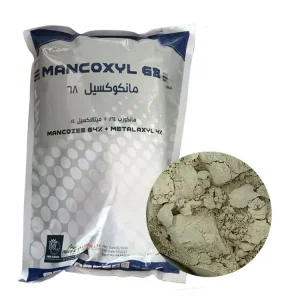
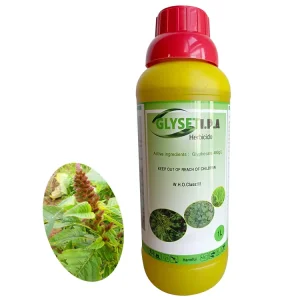
Extensive soybean, corn, and sugarcane operations require vast quantities of broad-spectrum herbicides like Glyphosate 480SL and resistant-mitigating fungicides like Mancozeb + Metalaxyl to combat aggressive rust and blight strains under high-humidity conditions.
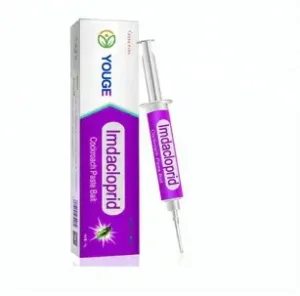
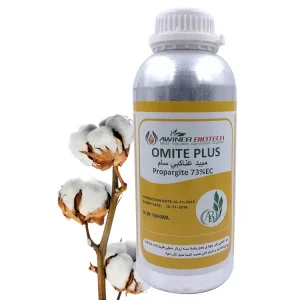
Arid climate horticulture and date palm agriculture heavily rely on specialized acaricides like Propargite 57% EC alongside public health vector management solutions (such as Imidacloprid 2.5% Gel) for urban pest suppression.
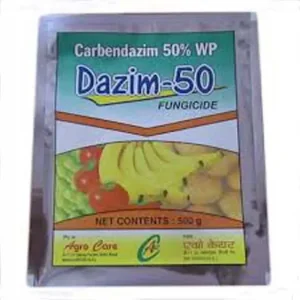
Broadacre grain cultivation (wheat, barley, sunflower) demands pre-emergent herbicides such as Oxadiazon alongside broad-spectrum systemic fungicides like Carbendazim 50% SC to secure winter cereal survival.
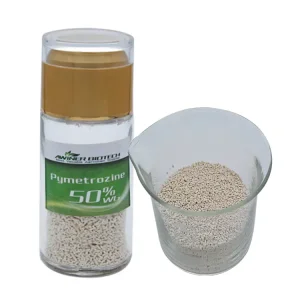
Intensive rice, vegetable, and tea plantation systems require highly targeted sap-sucking pest control solutions like Pymetrozine 50% WDG to combat planthoppers without triggering secondary pest outbreaks.
Founded in 2006, Awiner Biotech is located in Shijiazhuang, Hebei Province, in the heart of Northern China's chemical synthesis corridor, adjacent to Beijing. Supported by top-tier logistical networks and direct access to major sea freight hubs, Awiner Biotech has evolved into a premier enterprise manufacturer committed to the research, synthesis, and global distribution of advanced agrochemicals.
Our core manufacturing capabilities cover five major agrochemical verticals: Pesticides, Herbicides, Fungicides, Plant Growth Regulators, and Public Health Pesticides. By integrating automated liquid formulation lines and ultra-fine dry-milling systems, we maintain precise active ingredient content (AI%), superior suspension rates, and extended physical storage stability across diverse ambient temperatures.
Up to now, Awiner Biotech has built robust commercial partnerships across more than 50 nations, supplying institutional buyers, agricultural distributors, and state-run agencies in Iraq, Iran, Afghanistan, Pakistan, India, Libya, Syria, Turkey, Yemen, Ukraine, Russia, Kazakhstan, Uzbekistan, Chile, Bolivia, Mexico, Brazil, Paraguay, Nigeria, Djibouti, Rwanda, Somalia, Malaysia, Cambodia, Nepal, Myanmar, and beyond.
Our commitment to client success extends beyond factory gates. We regularly participate in major international agrochemical exhibitions across Turkey, Iran, Pakistan, Nigeria, Russia, Cambodia, Malaysia, and Uzbekistan. Furthermore, our technical teams conduct on-the-ground regional market surveys, evaluating field efficacy under local soil and climate conditions, providing custom crop-protection troubleshooting, and welcoming international delegation visits to our manufacturing facilities.
 Awiner Biotech