Explore our top-tier wholesale insecticides engineered for multi-week residual activity, high photostability, and low environmental decay kinetics.
In modern agricultural protection and public health vector management, the demand for high-performance wholesale long lasting insecticide for pest control has shifted from crude broad-spectrum contact killers to targeted, extended-release formulations. Commercial buyers, government procurement bodies, and large-scale farming conglomerates face severe economic pressures caused by labor costs associated with frequent re-application. Extending the field half-life of an active ingredient (a.i.) while minimizing environmental leaching and phytotoxicity is the central focus of contemporary chemical formulation engineering.
The long-residual performance of an insecticide is dictated by three physicochemical variables: photostability under UV exposure, rainfastness via adjuvant adhesion, and volatilization control. Traditional Emulsifiable Concentrates (EC) often suffer from rapid photolysis and solvent evaporation when applied in tropical or high-temperature zones. Advanced manufacturing platforms—such as those operated by Awiner Biotech—utilize microencapsulation (CS), Suspension Concentrates (SC), and Water Dispersible Granules (WDG) to shield active molecules like Deltamethrin, Abamectin, and Chlorfenapyr inside protective polymeric or crystalline shells.
Key Technical Insight (Information Gain): Polymeric microencapsulation (CS) reduces active ingredient degradation under solar UV-B radiation by up to 68% compared to standard EC formulations. This extends the effective residual barrier on structural surfaces and foliar cuticles from 5-7 days to over 30-60 days per application cycle.
Understanding the balance between fast knockdown (contact toxicity) and sustained residual activity is essential for global buyers requesting factory pricelists. By blending fast-acting synthetic pyrethroids (e.g., Lambda-Cyhalothrin, Bifenthrin) with systemic or metabolic disruptors (e.g., Imidacloprid, Chlorfenapyr), formulation chemists can achieve dual-action pest eradication that prevents target pest populations from rebounding.
Selecting the optimal formulation type is vital for international distributors balancing freight costs, shelf life stability, and end-user application machinery. Below is an engineering comparison matrix of primary long-lasting pesticide delivery systems produced at our manufacturing facilities.
| Formulation Code | Primary Active Ingredients | Residual Longevity | Key Target Pests | Primary Application Sector |
|---|---|---|---|---|
| Deltamethrin 25g/L SC | Deltamethrin (CAS 52918-63-5) | Up to 90 Days | Mosquitoes (Anopheles), Bedbugs, Cockroaches | Public Health & Indoor Residual Spray (IRS) |
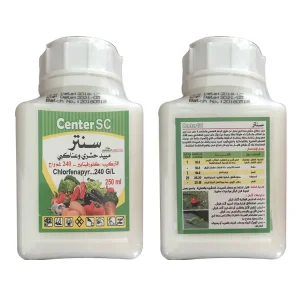
| Chlorfenapyr 36% SC | Chlorfenapyr | 30 - 45 Days | Resistant Bed Bugs, Caterpillars, Thrips | Structural Pest Control & Agriculture |
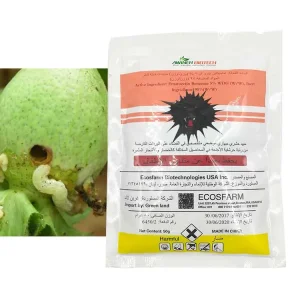
| Emamectin Benzoate 5% WDG | Emamectin Benzoate | 21 - 28 Days | Lepidoptera, Armyworms, Bollworms | Broad-acre Crops, Cotton, Vegetables |
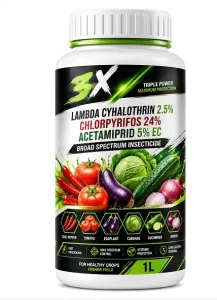
| Lambda + Chlorpyrifos + Acetamiprid EC | Triple Compound Complex | 14 - 21 Days | Aphids, Whiteflies, Resistant Beetles | High-Infestation Agricultural Knockdown |
| Azamethiphos 1% GR | Azamethiphos (CAS 35575-96-3) | Up to 60 Days | Houseflies (Musca domestica), Structural Pests | Livestock Farms, Commercial Sanitation |
When evaluating factory pricelists, commercial buyers must inspect active ingredient purity ratios, formulation emulsifiers, and cold-test suspension properties. Substandard formulations frequently suffer from crystallization at low temperatures or phase separation during long-distance maritime transit.
China remains the global epicenter for chemical active ingredient synthesis and pesticide formulation production. Leveraging integrated upstream chemical parks, state-of-the-art environmental control systems, and robust logistics infrastructure, Chinese manufacturers provide unprecedented economies of scale for global B2B buyers.
Awiner Biotech was founded in 2006, located in the north of China—Shijiazhuang, Hebei Province. The city is close to our capital Beijing, where transportation is exceptionally convenient. Awiner Biotech is committed to the research, production, and distribution of high-grade agrochemicals. We mainly deal with pesticides, herbicides, fungicides, plant growth regulators, and public health pesticides.
Our centralized facility in Hebei benefits from immediate access to raw technical material (TC) pipelines, allowing us to maintain competitive wholesale pricing, rapid custom synthesis, and stringent batch-to-batch quality controls under ISO & ICAMA guidelines.
Importing agrochemicals and public health insecticides requires navigating complex regulatory landscapes across different continents. Importers must secure registration dossiers, conduct local field efficacy trials, and ensure customs compliance regarding active ingredient purity and dangerous goods (DG) transport regulations.
Awiner Biotech provides full administrative and technical dossier assistance to facilitate local product registration for our distributors. Our regulatory compliance packages include:
Factory Wholesale Pricing Factors: Agrochemical factory pricelists fluctuate based on raw material active ingredient (TC) costs, petroleum-based solvent costs, fluorinated bottle packaging specs, and shipping market freight indices. Purchasing in bulk (200L drums or 1000L IBC totes) reduces unit packaging costs by up to 22% compared to small retail retail bottles (100ml - 1L).
Up to now, we have won trusted customers across diverse agro-climatic zones worldwide. Our expansive distribution network spans:
True E-E-A-T (Experience, Expertise, Authoritativeness, and Trustworthiness) is built outside the laboratory. Awiner Biotech actively participates in international agricultural trade expos and conducts on-site market investigations directly within our clients' target territories.
Our teams regularly exhibit at major global agrochemical trade fairs. Countries participating in our exhibition tours include Turkey, Iran, Pakistan, Nigeria, Russia, Cambodia, Malaysia, Uzbekistan, etc. Meet our technical engineers face-to-face to negotiate regional exclusivity and wholesale contracts.
We go directly to our customers' countries to conduct deep market inspections. We analyze regional pest resistance profiles, solve local application challenges, evaluate product usage under native field conditions, and host international clients at our Shijiazhuang manufacturing facilities.
Formulation efficacy depends heavily on environmental conditions, target crop structures, and regional pest pressures. Below are key field deployment strategies for maximum residual control:
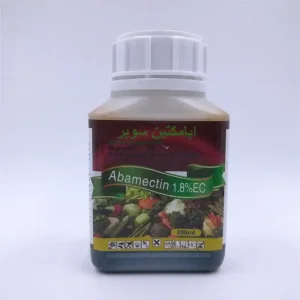
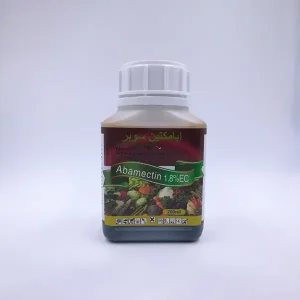
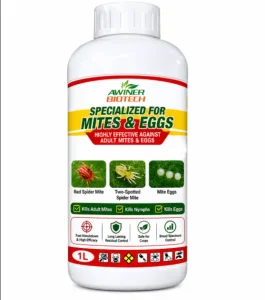
Spider mites (Tetranychus urticae) rapidly build resistance to single-mode acaricides. Utilizing specialized compounds such as Abamectin 1.8% EC / 36g/L EC combined with high-grade surfactants achieves a 90%+ control rate against resistant spider mites. Translaminar activity allows the active ingredient to penetrate the leaf cuticle, forming an internal reservoir that continues killing feeding mites for weeks.
In vector control programs targeting malaria and dengue, Deltamethrin 25g/L SC and Azamethiphos 1% GR provide long-lasting surface residual barriers. Applied to interior walls, livestock facilities, and municipal boundary zones, these low-odor, non-staining formulations maintain knockdown lethal thresholds against Anopheles mosquitoes and Musca domestica for up to 90 days post-application.
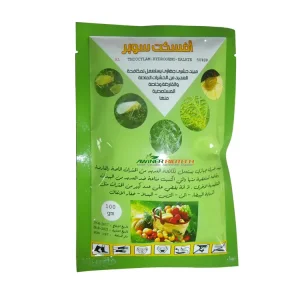
For severe multi-pest infestations in cotton, corn, and grain fields, multi-way combination mixtures like Lambda-Cyhalothrin + Chlorpyrifos + Acetamiprid EC deliver an immediate double-knockdown alongside systemic residual translocation to eradicate armyworms, aphids, and tough chewing beetles in one treatment pass.
Expert responses regarding formulation chemistry, wholesale ordering, shelf life, and factory compliance.
Discover our comprehensive technical agrochemical lineup, including fungicides, broadleaf herbicides, and public health vector insecticides.
 Awiner Biotech