Explore our premium selection of agricultural insecticides, nematicides, and specialized plant growth regulators synthesized for enterprise-grade crop yield management.
In modern commercial agronomy, securing high crop productivity while mitigating ecological impact requires sophisticated pest management frameworks. As the global population trends toward 10 billion by 2050, agricultural enterprise operators, governmental agencies, and international distributors face unprecedented pressures. The demand for robust, cost-effective, and highly specialized active ingredients (AIs) has shifted the paradigm from simple single-agent chemical spraying to comprehensive Integrated Pest Management (IPM) strategies. Accessing direct wholesale channels through direct agricultural pest control factories and qualified suppliers in China represents the cornerstone of modern agrochemical procurement.
This comprehensive industry whitepaper explores the operational architectures, formulation breakthroughs, global regulatory compliance criteria, and localized crop protection dynamics that define the current wholesale agriculture pesticide ecosystem. By analyzing technical synthesis mechanisms—ranging from systemic chordotonal organ modulators like Pymetrozine and neonicotinoids like Thiamethoxam to bio-rational insect growth regulators—this document serves as an authoritative guide for commercial buyers seeking strategic supply chain optimization.
China stands as the global epicenter of technical active ingredient manufacturing and sophisticated agrochemical formulation processing. For international importers, commercial plantations, and regional distributors, partnering directly with established Chinese production facilities offers unparalleled strategic and financial benefits:
Chinese chemical production hubs, particularly in Northern China regions like Hebei Province (Shijiazhuang), feature end-to-end integration. From basic petrochemical cracking and raw intermediate synthesis to complex compound formulation and automated retail packaging, the structural proximity minimizes freight overheads and eliminates intermediate vendor margins.
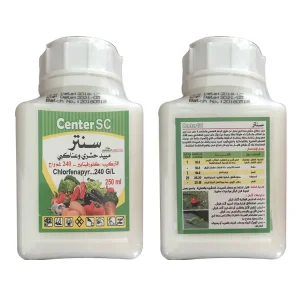
State-of-the-art facilities leverage automated fluid-bed jet milling, high-shear emulsification, and real-time gas chromatography-mass spectrometry (GC-MS) quality auditing. This guarantees that particle sizes in suspension formulations (such as Chlorfenapyr 36% SC) achieve sub-micron dispersion for maximal leaf coverage and bio-availability.
Proximity to international maritime logistical nodes—such as Tianjin Port and Qingdao Port—ensures rapid container consolidation and streamlined hazard-goods (DG Class 6.1, 8, 9) transport compliance. Strategic location lowers delivery lead times to major agricultural global markets by up to 25%.
The commercial agrochemical landscape is undergoing rapid evolution driven by stringent environmental policies, insect resistance evolution, and breakthroughs in precision delivery technologies. B2B buyers must align their wholesale purchasing strategies with these prevailing market dynamics:
| Trend Architecture | Technical Driver | Commercial Impact | Formulation / Solution Focus |
|---|---|---|---|
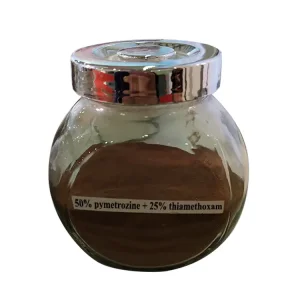
| Resistance Management | Target-site mutation in sucking and chewing pests against single-mode active ingredients. | High demand for dual-action premixes combining distinct IRAC groups. | Premixes such as Pymetrozine 50% + Thiamethoxam 25% WDG and Abamectin + Chlorbenzuron SC. |
| Solvent Phase-Out | Regulatory bans on toxic aromatic solvents (Xylene, Toluene) in Emulsifiable Concentrates. | Transition toward water-based, solvent-free, and dustless dry formulations. | Suspension Concentrates (SC), Water Dispersible Granules (WDG), Dry Flowables (DF). |
| UAV Drone Application Compatibility | Rapid adoption of aerial drone spraying requiring ultra-low volume (ULV) stability. | Requirement for anti-evaporation additives, rapid dispersion, and non-clogging micro-particles. | Micro-emulsions (ME), specialized SC formulations with optimized surface tension. |
| Bio-Rational Integration | Consumer preference for reduced chemical residue limits (MRLs) in harvested produce. | Combining microbial bio-pesticides with synthetic targeted chemistry. | Bacillus thuringiensis kurstaki (Bt), Spinosad, and botanical-extract complexes. |
Achieving optimal control mandates a thorough understanding of pest neurophysiology and metabolic pathways. Professional pest control suppliers provide chemistry tailored to specific insect biological profiles:
Agricultural ecosystems vary dramatically across tropical, arid, temperate, and sub-humid climatic zones. A win-win wholesale partnership relies on supplying tailor-made pest control products optimized for regional agronomic conditions:
Target Crops: Soybeans, Grain Corn, Cotton, Sugarcane, Export Fruits.
Agronomic Challenges: High resistance pressure from Spodoptera frugiperda (Fall Armyworm) and Euschistus heros (Neotropical Brown Stink Bug).
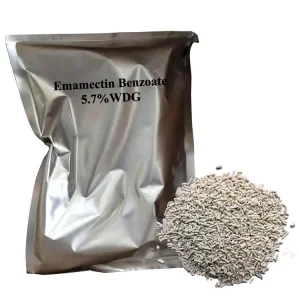
Recommended Strategy: Tank mixes incorporating broad-spectrum organophosphates paired with pyrethroids (e.g., Profenofos 400g/L + Cypermethrin 40g/L EC) alongside high-purity Emamectin Benzoate 5.7% WDG for rapid knock-down and extended residual foliar control.
Target Crops: Winter Wheat, Sunflowers, Sugar Beets, Upland Cotton.
Agronomic Challenges: Sunn pest (Eurygaster integriceps), cereal aphids, locust outbreaks, and broadleaf weed infestations.
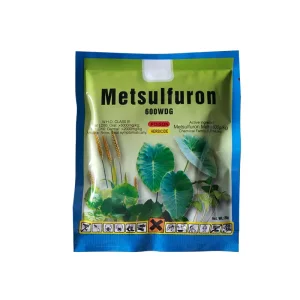
Recommended Strategy: Systemic post-emergence broadleaf control with Metsulfuron-Methyl 60% WDG combined with high-potency synthetic pyrethroids like Lambda-Cyhalothrin EC for cold-temperature stability during spring growth cycles.
Target Crops: Date Palms, Citrus, Greenhouse Tomatoes, Wheat, Olives.
Agronomic Challenges: Red Palm Weevil (Rhynchophorus ferrugineus), Tuta absoluta, high thermal degradation of foliar sprays.
Recommended Strategy: Soil-applied and trunk-injected systemic neonicotinoids, heat-stable micro-encapsulated formulations, and fumigation solutions like Aluminium Phosphide 56% Tablets for post-harvest grain silo protection.
Target Crops: Paddy Rice, Oil Palm, Tropical Fruits, Vegetables.
Agronomic Challenges: Brown Planthopper (BPH - Nilaparvata lugens), Rice Stem Borer, Diamondback Moth.
Recommended Strategy: Dual-action systemic feeding blockers like Dinotefuran 20% + Pymetrozine 50% WDG to suppress planthopper outbreaks without harming beneficial predatory spiders in aquatic paddy ecosystems.
Target Crops: Maize, Sorghum, Cassava, Cocoa, Smallholder Horticulture.
Agronomic Challenges: Invasive Fall Armyworm swarms, desert locust infestations, economic pressure requiring highly cost-effective treatments.
Recommended Strategy: Concentrated bio-insecticides like Bacillus thuringiensis kurstaki WP alongside multi-spectrum cost-effective premixes delivered in modular retail packaging size formats (e.g., 100ml, 250ml bottles).
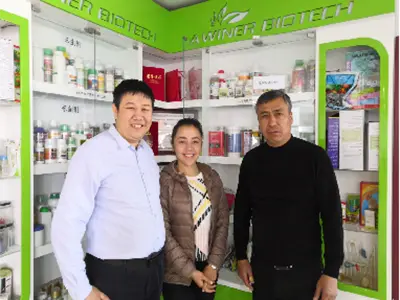
Awiner Biotech was founded in 2006, strategically established in Northern China—Shijiazhuang, Hebei Province. Located in close proximity to China's capital, Beijing, our central site benefits from world-class transportation hubs, advanced industrial infrastructure, and direct access to top-tier chemical engineering talent.
Awiner Biotech is dedicated to the research, synthesis, formulation, and global distribution of premier agrochemicals. Our specialized product matrix encompasses insecticides, herbicides, fungicides, plant growth regulators (PGRs), and public health vector control solutions.
Up to now, we have established long-term operational partnerships and trust with agricultural clients spanning: Iraq, Iran, Afghanistan, Pakistan, India, Libya, Syria, Turkey, Yemen, Ukraine, Russia, Kazakhstan, Uzbekistan, Chile, Bolivia, Mexico, Brazil, Paraguay, Nigeria, Djibouti, Rwanda, Somalia, Malaysia, Cambodia, Nepal, Myanmar and beyond.
Our technical experts actively participate in premier international agrochemical expos worldwide, including major trade summits in Turkey, Iran, Pakistan, Nigeria, Russia, Cambodia, Malaysia, and Uzbekistan, providing on-the-ground consultations and contract support.
We regularly dispatch technical sales engineers into target customer countries to execute field inspections, diagnose regional pest resistance profiles, analyze real-time crop performance, and collaborate directly with local agronomists to optimize active dosage parameters.
Procuring wholesale pesticide active ingredients and finished formulations requires robust Quality Assurance (QA) and Quality Control (QC) standards. Awiner Biotech provides end-to-end institutional procurement workflows:
We provide specialized, high-barrier packaging solutions designed to withstand extreme tropical temperatures and extended ocean transit times. Options include fluorinated HDPE bottles, COEX aluminum-laminated foil pouches, water-soluble bags (VA/PVA), and heavy-duty UN-rated fiber drums (100ml to 1000L bulk totes).
Every batch undergoes strict HPLC, GC, thermal stability, and cold-suspensibility testing. Certificates of Analysis (COA) are issued per shipment, backed by third-party verification options from independent international testing bodies (SGS, Bureau Veritas).
Navigating local agricultural ministries requires thorough documentation. We supply institutional buyers with complete registration packages: FAO-standard dossiers, GLP toxicity data, acute/chronic ecotoxicity profiles, product chemistry specs, and ICAMA official certificates.
Detailed technical responses addressing core inquiries from global procurement managers, commercial agronomists, and regional distributors:
Discover additional industry-leading agrochemical formulations, organic bio-pesticides, and herbicides direct from our manufacturing facility.
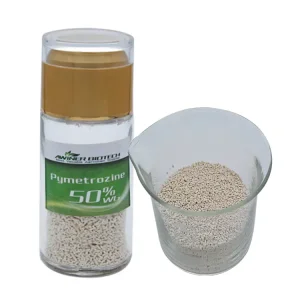
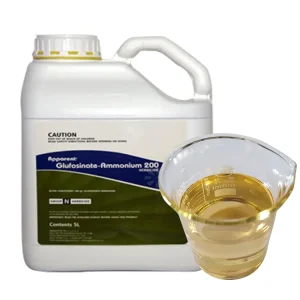
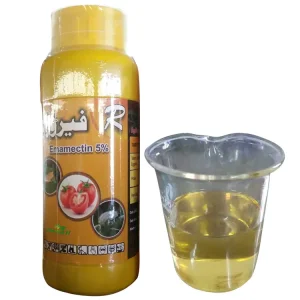
 Awiner Biotech