High-purity active ingredients, innovative bait formulations, and scalable manufacturing solutions engineered for global commercial distribution.
An in-depth whitepaper analysis of active ingredient mechanics, formulation matrix engineering, and anticoagulant resistance mitigation strategies.
The global rodenticide market has experienced structural shifts driven by escalating urban pest pressures, stringent agricultural biosecurity mandates, and increasing regulatory oversight from global environmental protection authorities. Commencing as an essential sector within structural pest control and agricultural yield protection, modern rodenticide manufacturing demands sophisticated chemical synthesis, advanced carrier matrix formulation, and meticulous environmental risk management.
First-generation anticoagulant rodenticides (FGARs)—such as Warfarin, Coumatetralyl, and Chlorophacinone—require multiple consecutive feedings to accumulate a lethal dose due to their lower binding affinity to the VKOR (Vitamin K epoxide reductase) enzyme complex. While offering reduced secondary poisoning risk to non-target predators, widespread physiological resistance in commensal rodent species (such as Rattus norvegicus and Mus musculus) led to the chemical evolution of Second-Generation Anticoagulant Rodenticides (SGARs).
SGARs, including Brodifacoum, Bromadiolone, Difenacoum, and Flocoumafen, possess immensely higher lipophilicity and hepatic retention. A single night's feeding provides a lethal payload. Leading wholesale rodenticide factories now utilize high-precision high-performance liquid chromatography (HPLC) to guarantee active ingredient concentrations as low as 0.005% (50ppm) are perfectly homogenous across multi-ton production batches.
To counteract the spread of the VKORC1 gene mutation causing anticoagulant resistance in Europe and North America, wholesale pesticide manufacturers are expanding synthetic lines for non-anticoagulant actives:
Rodents possess an exceptionally acute sense of taste and neophobia (fear of new objects/foods). A key point of differentiation for premier B2B rodenticide manufacturers is matrix palatability. Industrial formulations blend human-grade cereal grains, specialized paraffin wax matrices for weatherproofing, and key attractants (peanut oil, grain aroma extracts). To safeguard non-target organisms, children, and domestic pets, top-tier factories mandate the inclusion of Denatonium Benzoate (Bitrex) at 0.001% (10ppm)—an intensely bitter compound undetectable to rodents but repulsive to humans and non-target mammals.
| Chemical Class | Key Active Ingredients | Mode of Action | Primary Commercial Use | Resistance Status |
|---|---|---|---|---|
| SGAR (Second Gen Anticoagulant) | Brodifacoum, Bromadiolone, Difenacoum | Inhibits Vitamin K epoxide reductase; causes internal hemorrhage. | Urban structural, commercial food plants, warehouse biosecurity. | Low-to-Moderate (Managed via rotation protocols). |
| FGAR (First Gen Anticoagulant) | Warfarin, Chlorophacinone, Diphacinone | Disrupts blood clotting cascade (Requires multiple feedings). | Agricultural fields, low-risk residential maintenance. | Moderate-to-High in urban rat populations. |
| Acute Neurotoxin | Bromethalin | Uncouples oxidative phosphorylation in central nervous system. | Knockdown of resistant rodent colonies, industrial complexes. | Zero resistance identified. |
| Calciferol (Vitamin D3) | Cholecalciferol | Causes severe hypercalcemia & renal tissue calcification. | Sensitive eco-zones, food processing safety baiting. | Zero resistance identified. |
| Inorganic Acute Phosphide | Zinc Phosphide | Releases lethal Phosphine ($PH_3$) gas upon contact with stomach acid. | Broad-acre grain fields, sugar cane plantations, forestry protection. | No physiological resistance; potential bait shyness if under-dosed. |
Addressing the complex sourcing requirements of government health agencies, agricultural conglomerates, and international distribution networks.
B2B buyers require diverse bait matrix configurations tailored to local climates. We offer custom manufacturing across multiple formats:
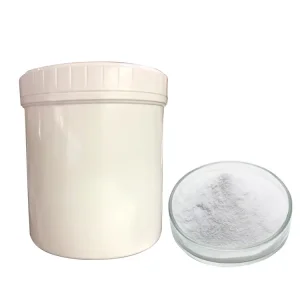
Industrial active ingredients and finished rodent control products demand stringent packaging integrity to prevent chemical degradation, moisture absorption, and leakage during sea freight transport. Manufacturing facilities utilize UN-certified high-density polyethylene (HDPE) drums, multi-layer aluminum foil heat-sealed sachets, and tamper-evident lockable pails. Custom white-label branding, multi-language regulatory labeling, and localized barcode integration are fully integrated into our automated packaging pipelines.
For regional formulators and national pesticide repackagers, sourcing Technical Grade Active Ingredients (TC)—such as Brodifacoum 98% TC or Bromadiolone 98% TC—is critical for local economic efficiency. Wholesale synthesis facilities provide full chemical characterization, CoA certificates, mass spectrometry profiles, and impurities analysis to streamline customs clearance and local registration processes.
Ensuring total compliance with EPA, EU BPR, FAO, and WHO international safety standards.
Navigating global pesticide registration requires extensive toxicological datasets, environmental fate studies, and bio-efficacy documentation. A reliable wholesale manufacturing partner provides full support for regulatory filings:
Quality assurance at modern chemical synthesis plants operates across four mandatory checkpoints:
Pioneering smart pest management, eco-conscious bait matrices, and sustainable chemical synthesis.
The emergence of IoT-enabled Digital Pest Management (DPM) is transforming structural pest control. Modern wholesale factories are engineering rodenticide bait formats compatible with digital sensor blocks, optical movement detectors, and wireless notification systems. This allows Pest Control Operators (PCOs) to monitor bait consumption real-time, reducing labor costs and optimizing bait replacement schedules.
Environmental bio-accumulation concerns are pushing the industry toward fully biodegradable binder matrices. Next-generation wax blocks replace synthetic paraffin with vegetable-derived waxes and bio-polymers that naturally break down in soil over time without microplastic residues, while retaining high weatherability during the active baiting phase.
As an adjunct to traditional lethal rodenticides, research and development facilities are scaling production of rodent fertility control agents (such as ContraPest components). By combining acute or chronic lethal baiting with long-term reproductive inhibitors, commercial facilities can achieve permanent population suppression without triggering secondary toxicity risks.
A trusted international manufacturer committed to research, production, and global distribution of advanced agrochemicals and public health solutions.
Awiner Biotech was founded in 2006, located in the north of China—Shijiazhuang, Hebei Province. The city is in close proximity to our capital, Beijing, offering exceptionally convenient transportation networks to major shipping ports. Awiner Biotech is dedicated to the research, production, and international distribution of a broad range of agrochemicals. We mainly deal with pesticides, herbicides, fungicides, plant growth regulators, and public health pesticides (including professional rodenticides).
Over nearly two decades of operation, our technical team has established rigorous quality assurance standards, state-of-the-art synthesis laboratories, and automated packaging facilities designed to fulfill complex international client requirements.
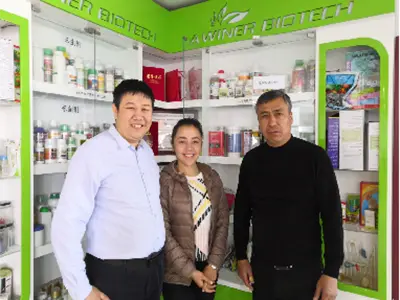
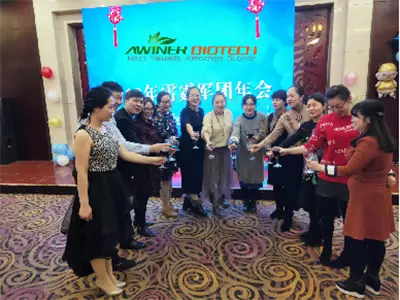
Up to now, we have won trusted long-term customers from across the globe, including: Iraq, Iran, Afghanistan, Pakistan, India, Libya, Syria, Turkey, Yemen, Ukraine, Russia, Kazakhstan, Uzbekistan, Chile, Bolivia, Mexico, Brazil, Paraguay, Nigeria, Djibouti, Rwanda, Somalia, Malaysia, Cambodia, Nepal, Myanmar, and many other regions.
International Exhibitions: Our company actively participates in major global agrochemical and pest control trade exhibitions in countries such as Turkey, Iran, Pakistan, Nigeria, Russia, Cambodia, Malaysia, Uzbekistan, and more.
Customer Market Surveys: We regularly visit our customers' countries to conduct on-site market inspections, analyze regional pest pressure, solve localized application problems, and gain firsthand understanding of product performance. We also frequently host international client delegations at our manufacturing and R&D facilities.
Expert technical answers regarding wholesale procurement, formulation selection, and regulatory standards.
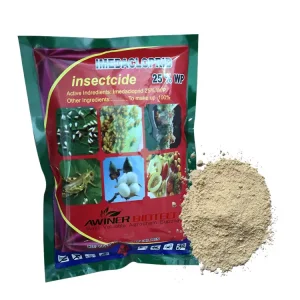
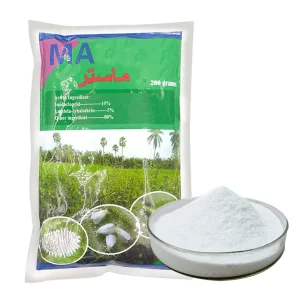
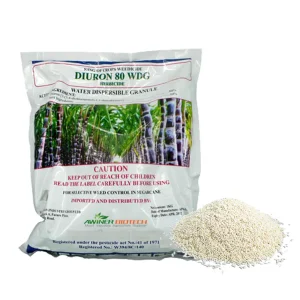
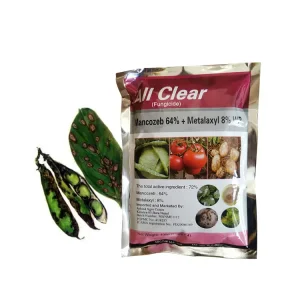
Complete your product lineup with our broad portfolio of insecticides, fungicides, herbicides, and PGR solutions.
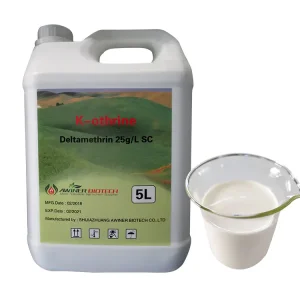
 Awiner Biotech