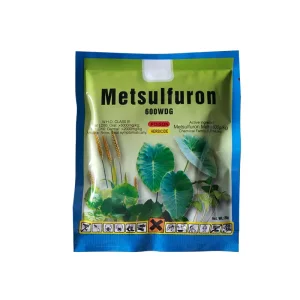
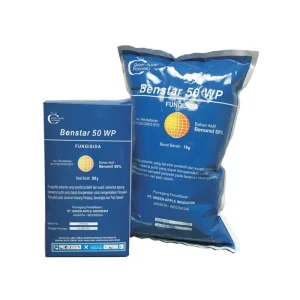
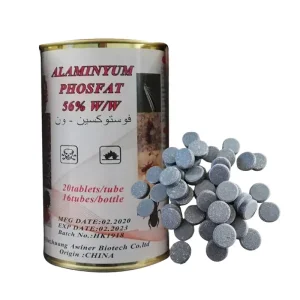
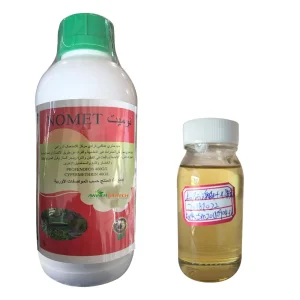
Direct Factory Quotes for Technical & Formulated Pesticides, Herbicides, and Fungicides
Understanding Pathogen Latency, Cell-Wall Degradation Enzymes, and Economic Vulnerability
Gray Mold, caused by the necrotrophic fungal pathogen Botrytis cinerea Pers.:Fr., represents the single most economically destructive disease affecting commercial strawberry (Fragaria × ananassa) production globally. Without stringent, targeted interventions, field infestations and post-harvest storage losses can exceed 35% to 55% of total fruit yield, directly undermining grower margins, international supply chains, and B2B export profitability.
Spores infect open strawberry blossoms during bloom, remaining quiescent inside receptacle tissue until fruit ripening triggers enzymatic degradation, causing sudden, catastrophic fruit decay post-harvest.
Conidia germination requires relative humidity (>90%) and free moisture on leaf/petal surfaces for 4–8 hours at temperatures between 15°C and 23°C—conditions common in commercial greenhouses and plastic tunnels.
Upon ripening, the pathogen secretes endo-polygalacturonases and pectate lyases, dissolving cell walls and turning firm strawberries into soft, gray conidia-covered masses within 48 hours of transit.
Because Botrytis cinerea establishes latency during early flowering, relying solely on post-harvest treatments is ineffective. Commercial success demands pre-harvest systemic and contact chemical regimes engineered specifically for high-stress agricultural microclimates.
Science-Backed Chemical Selection to Prevent Resistance Breakdown in High-Density Strawberry Farms
Single-site fungicides are vulnerable to target-site mutations. Botrytis cinerea is classified by the Fungicide Resistance Action Committee (FRAC) as a high-risk pathogen for resistance development. Commercial B2B buyers must specify multi-site premixes or enforce strict rotational spraying schedules.
| Active Ingredient(s) | FRAC Code | Mode of Action (MoA) | Application Window | Resistance Risk | Recommended Formulation |
|---|---|---|---|---|---|
| Cyprodinil + Fludioxonil | FRAC 9 + 12 | Methionine biosynthesis inhibition + Signal transduction interference | Early Bloom to Pre-Harvest (PHI: 1 Day) | Medium to Low (Dual-Site) | 62.5% WDG (Water Dispersible Granules) |
| Boscalid + Pyraclostrobin | FRAC 7 + 11 | Succinate dehydrogenase inhibition (SDHI) + QoI Complex III inhibitor | Full Bloom / Petal Fall | High (Requires strict rotation) | 38% SC / 50% WDG |
| Fenhexamid | FRAC 17 | 3-keto reductase inhibition (C-14 demethylation in sterol biosynthesis) | Fruit Set to Early Ripening | Medium | 50% SC (Suspension Concentrate) |
| Pyrimethanil | FRAC 9 | Inhibition of secretion of enzymes necessary for infection | Green Fruit Stage | High | 400 g/L SC |
| Captan / Chlorothalonil | FRAC M04 / M05 | Multi-site contact activity affecting fungal cellular proteins | Vegetative to Early Bud Break | Low / No Known Resistance | 80% WP / 75% WDG |
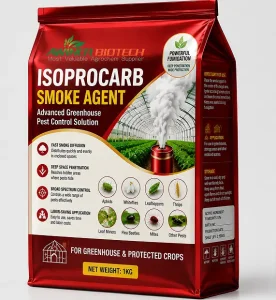
| Isoprocarb / Smoke Agents | Chemical Fumigant | Rapid vapor phase dispersal killing latent surface micro-spores | Enclosed Greenhouse Pest & Mold Disinfection | Low (Physical Vapor Action) | Smoke Generator / Fumigant Canister |
Unrivaled Supply Chain Integration, Quality Rigor, and Cost Efficiency from China’s Leading Agrochemical Hub
China hosts the world's most concentrated chemical synthesis clusters for technical active ingredients (98%+ TC assay purity). Direct access to key precursors ensures price stability and uninterrupted production lines even during seasonal global spikes.
Leading Chinese factories adhere strictly to ISO 9001:2015, ISO 14001, and FAO specifications. Every batch undergoes HPLC/GC analysis, particle size distribution testing, and suspension stability checks prior to shipping.
From 100ml HDPI bottles to 1000L IBC totes, or 10g aluminum foil bags to 25kg fiber drums, Chinese manufacturers offer customized packaging, private labeling, and multi-lingual regulatory compliance support for instant market entry.
Proven Performance Across International Markets and Varied Climatic Zones
Optimizing Strawberry Protection Protocols for Controlled Environment Agriculture & Open-Field Systems
In high-density greenhouse production (common in Western Europe and North America), humidity fluctuations create micro-climates conducive to rapid Botrytis spore germination.
In open fields or plastic macro-tunnels (common in South America and Southeast Asia), heavy rainfall washes away active ingredients, leading to rapid disease breakthroughs.
International buyers face increasingly strict regulatory frameworks regarding Maximum Residue Limits (MRLs) and Pre-Harvest Intervals (PHIs). Wholesalers require partners who not only provide competitive prices but also deliver comprehensive GLP data packages, COAs, and MSDS documentation to clear customs cleanly in regions such as the EU, North America, LATAM, and the Middle East.
The Evolution of Next-Generation Crop Protection Systems
Integration of sensor networks measuring canopy temperature and leaf wetness duration with predictive AI algorithms to trigger precise fungicide application right before spore germination cycles start.
Advanced formulation methods (CS - Capsule Suspensions) enable slow, controlled release of active molecules, extending residual field life while dramatically lowering overall active chemical payload per hectare.
Combining low-dose Synthetic Active Ingredients with microbial bio-fungicides (e.g., Bacillus subtilis strain QST 713 or Trichoderma harzianum) to satisfy zero-residue requirements near harvest.
Expert Guidance for B2B Procurement Managers, Distributors, and Agricultural Enterprise Buyers
Awiner Biotech was founded in 2006, located in the north of China—Shijiazhuang, Hebei Province. The city is close to our capital Beijing, with highly convenient transportation and logistics infrastructure.
Awiner Biotech is committed to the research, production, synthesis, and international distribution of advanced agrochemicals. We specialize in high-efficacy pesticides, herbicides, fungicides, plant growth regulators, and public health products engineered for commercial scale agriculture.
Up to now, we have established strategic partnerships and supplied agricultural customers across numerous countries including: Iraq, Iran, Afghanistan, Pakistan, India, Libya, Syria, Turkey, Yemen, Ukraine, Russia, Kazakhstan, Uzbekistan, Chile, Bolivia, Mexico, Brazil, Paraguay, Nigeria, Djibouti, Rwanda, Somalia, Malaysia, Cambodia, Nepal, Myanmar, and more.
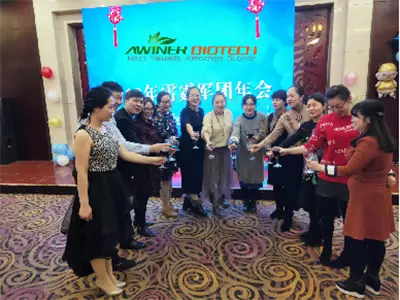
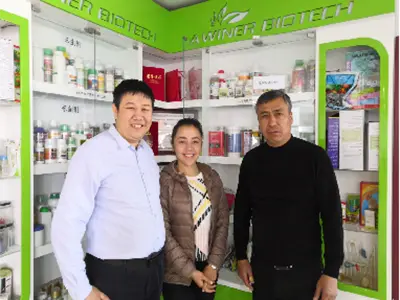
We actively participate in leading international agrochemical exhibitions in Turkey, Iran, Pakistan, Nigeria, Russia, Cambodia, Malaysia, and Uzbekistan. Furthermore, our technical agronomy teams regularly conduct overseas field market inspections to analyze local crop disease pressures, resolve customer technical challenges, and optimize formulation performance under real-world soil and weather conditions.
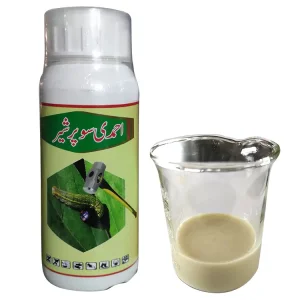
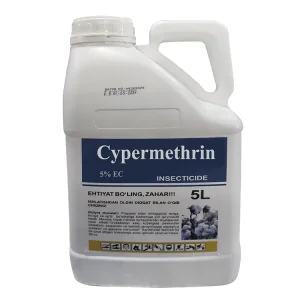
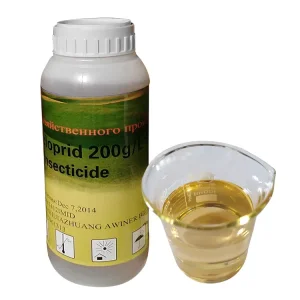
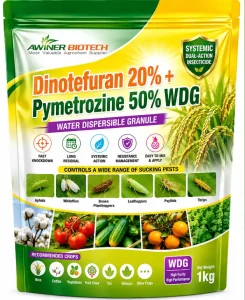
Comprehensive Insecticide, Fungicide, and Herbicide Portfolio Direct from Manufacturer
 Awiner Biotech