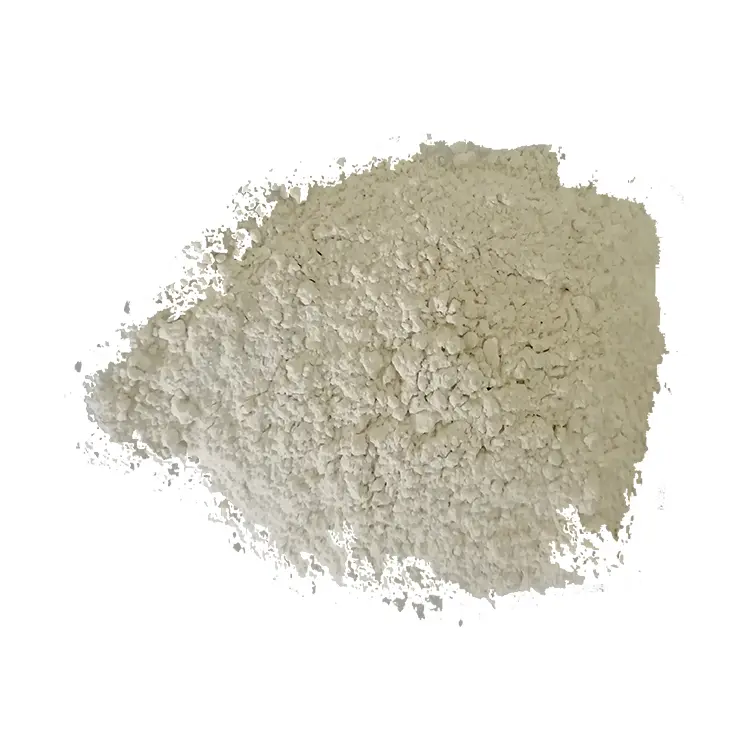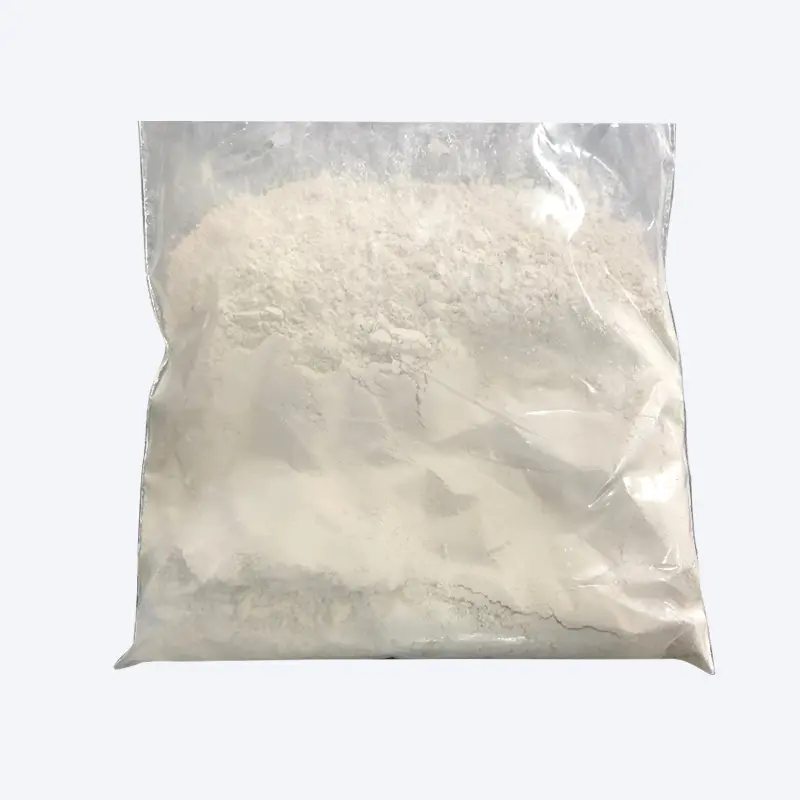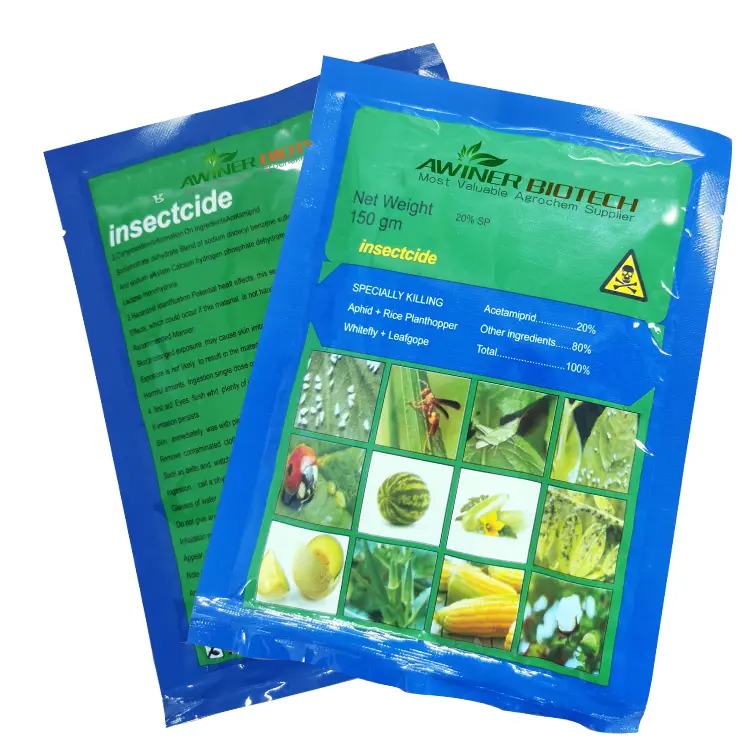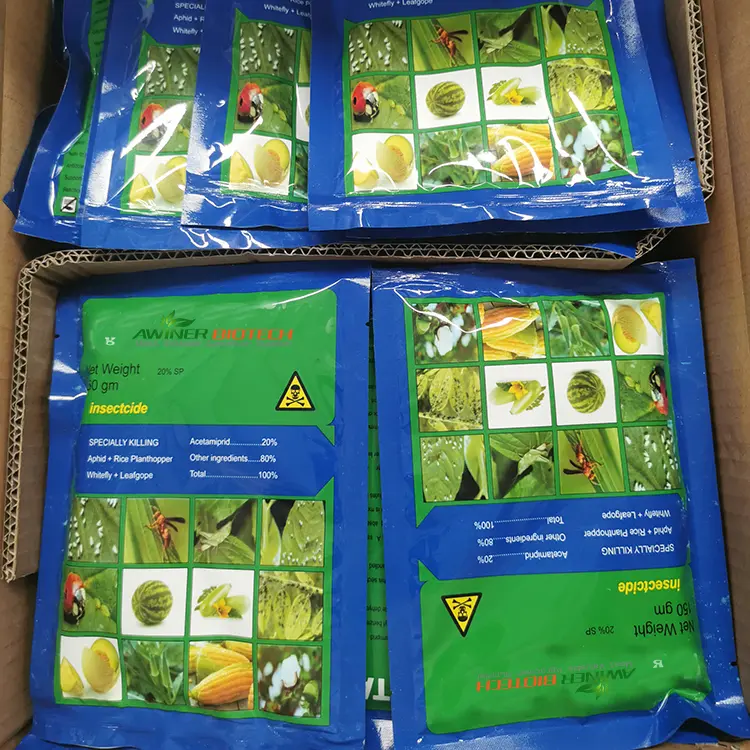
Wholesale Aphid & Whitefly Killer – Thiocyclam-hydrogenoxalate+Acetamiprid SP Factory, Manufacturers

Thiocyclam-hydrogenoxalate and Acetamiprid delivers fast knockdown and long-lasting control of aphids, whiteflies, and thrips across multiple crops.

Product Description

Thiocyclam-hydrogenoxalate + Acetamiprid

Mode of Action

1. Thiocyclam-hydrogenoxalate

This ingredient works mainly through contact and ingestion. After pests come into contact with or feed on it, their normal activity is quickly disrupted. They stop feeding, become less active, and eventually die. It also has good penetration, so it can reach pests hidden inside leaves or boring into plant tissues.

2. Acetamiprid

This ingredient is absorbed by the plant and moves within the plant tissues. When pests feed on treated plants or come into contact with it, their feeding and movement are quickly affected. They lose the ability to feed and gradually die. It is especially effective against small sucking pests such as aphids, whiteflies, and thrips, with long-lasting control.
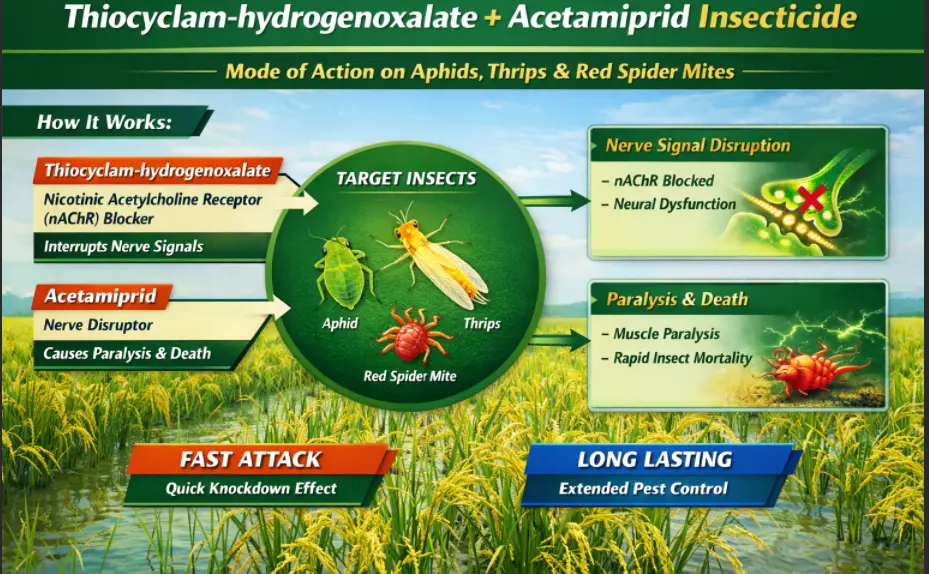
Thiocyclam-hydrogenoxalate + Acetamiprid: One ingredient provides fast knockdown of pests while the other offers longer protection. This combination helps control different types of pests more effectively and also reduces the risk of resistance development over time.
Mode of Action Diagram

Product Advantages

1
Fast and long-lasting control: Quickly reduces pest population while maintaining extended protection on crops.
2
Broad pest spectrum: Effective against both sucking pests (aphids, whiteflies, thrips) and some chewing or hidden pests.
3
Strong systemic performance: One component can move within the plant, helping protect new growth.
4
Good penetration ability: Reaches pests that hide inside leaves or difficult-to-reach plant areas.
5
Improved field stability: Works well under different field conditions with reliable performance.
6
Resistance management benefit: Two different action modes help slow down pest resistance development.

Applicable Crops

This product can be widely used on many field and vegetable crops, especially where sucking and hidden pests are common.
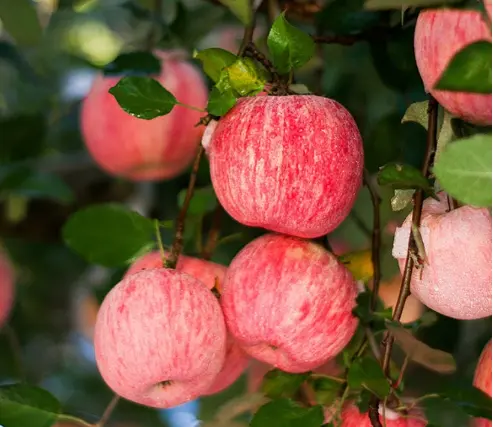

Vegetables: cabbage, tomato, chili, cucumber, eggplant Field crops: rice, cotton, corn, soybean, wheat Fruit crops: citrus, apple, grape, pear, peach Others: tea, ornamental plants
Apple Tree
Cotton
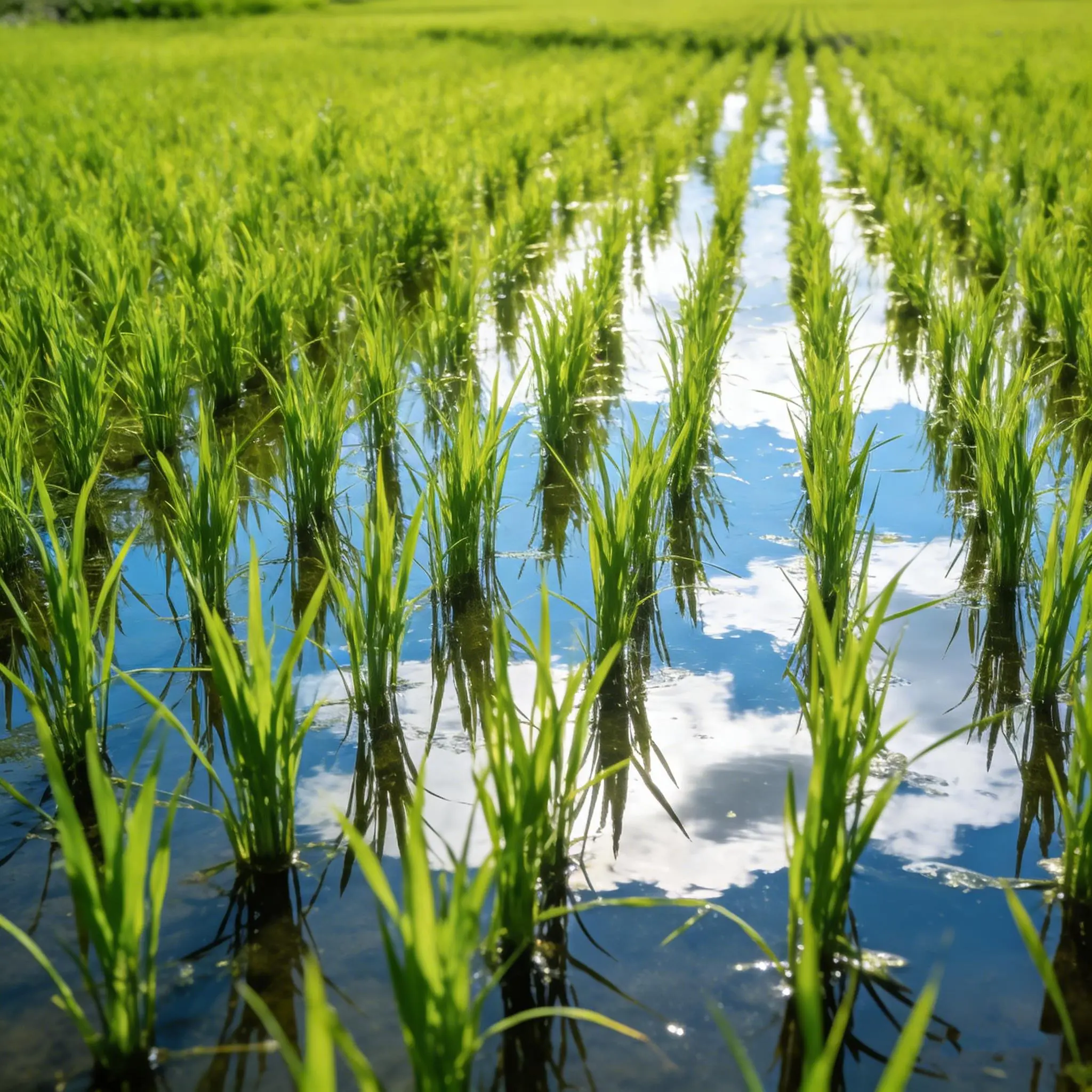
Rice

It is especially useful in crops that suffer from aphids, whiteflies, thrips, leafhoppers, and other sucking pests throughout the growing season.

Target Pests

This product is mainly used to control a wide range of sucking and some chewing pests in crops:
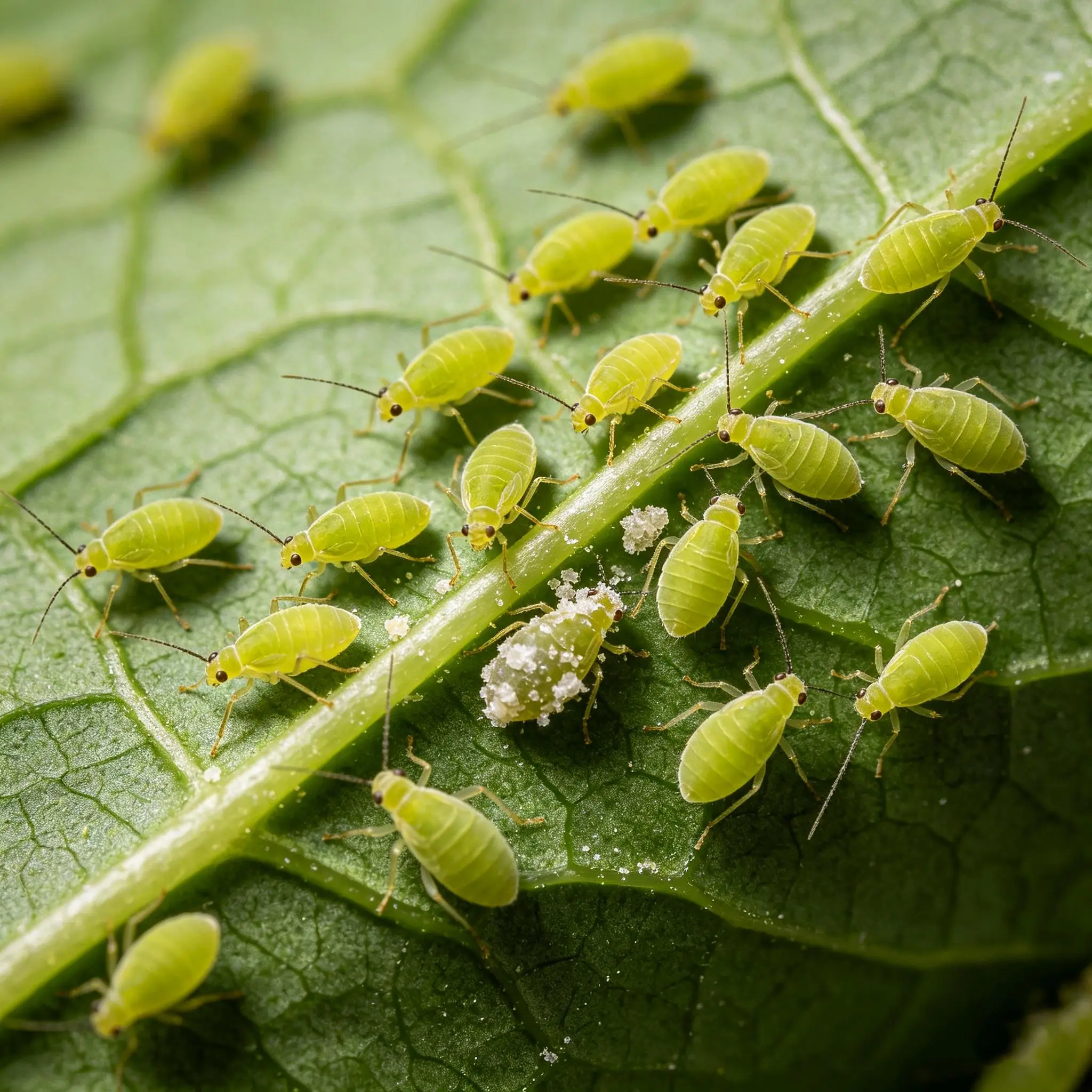
  • Aphids (various species), Whiteflies, Thrips
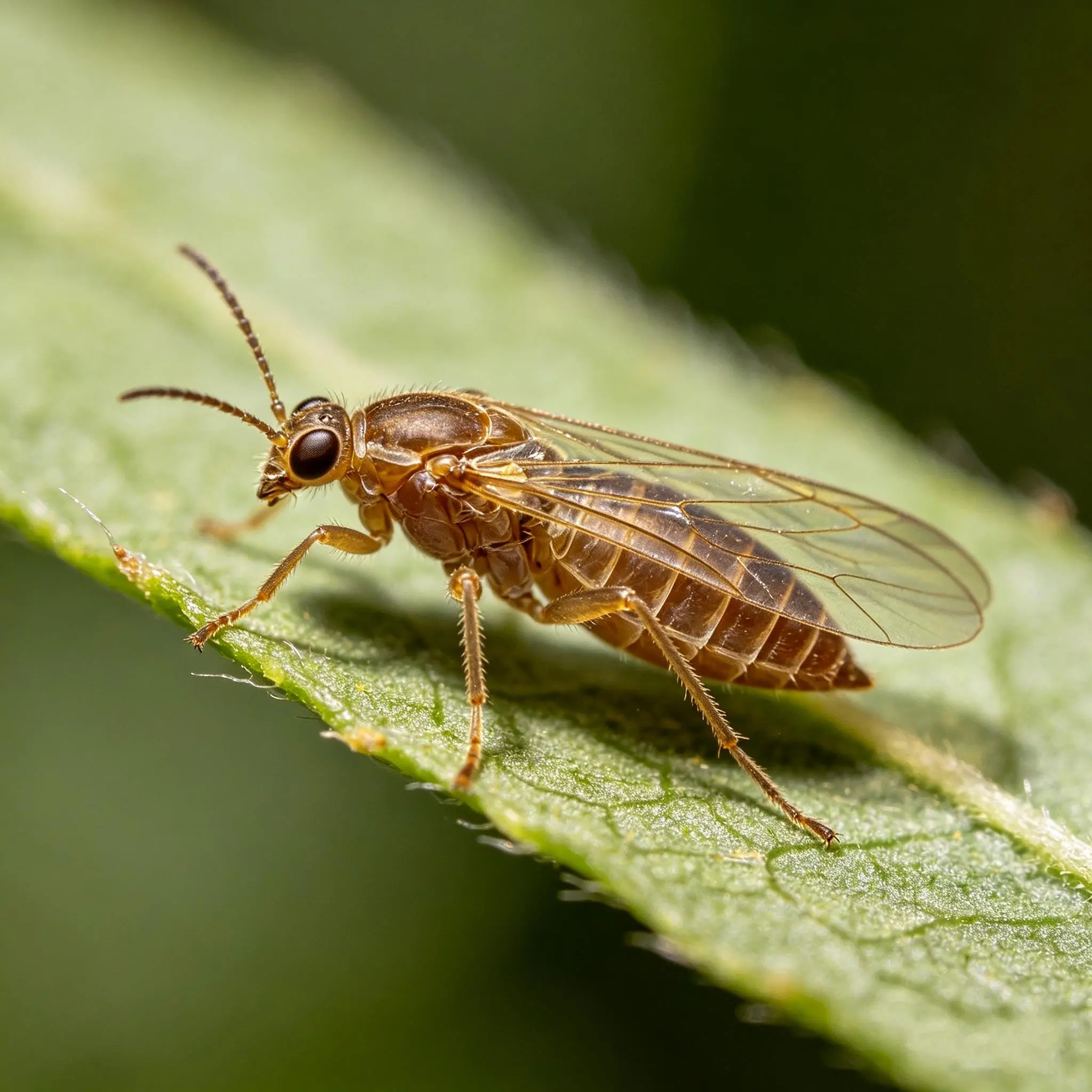
  • Leafhoppers and planthoppers, Psyllids
  • Leafminers (early stages)
  • Some caterpillars and small chewing larvae
Target Pest 1
Target Pest 2
Target Pest 3

Key Usage Points

1
Apply at early pest stage: Best results are achieved when pest population is still low.
2
Ensure thorough spray coverage: Spray evenly on leaf surfaces, especially the underside.
3
Use during active feeding: Works best when pests are actively feeding on the crop.
4
Rotate insecticides: Helps maintain long-term effectiveness and reduces resistance risk.
5
IPM Suitable: Can be combined with cultural and biological control methods.
6
Avoid repeated use: Continuous application of the same product may reduce performance.
7
Follow dosage strictly: Proper concentration ensures good efficacy and crop safety.

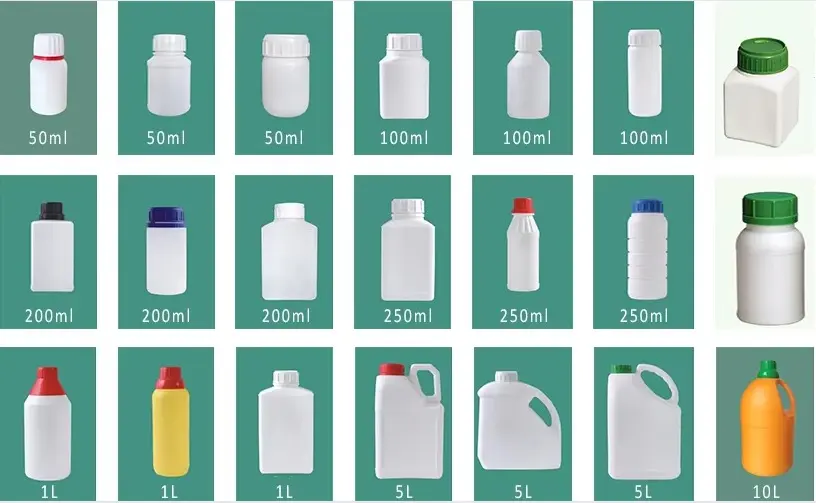
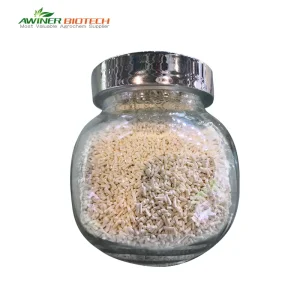
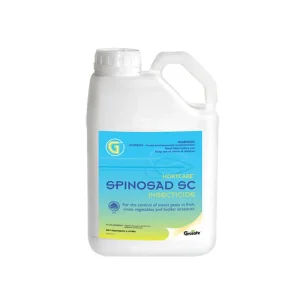
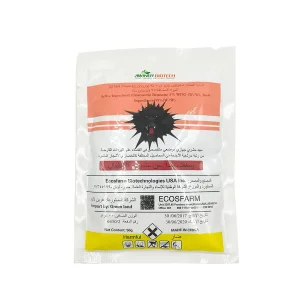
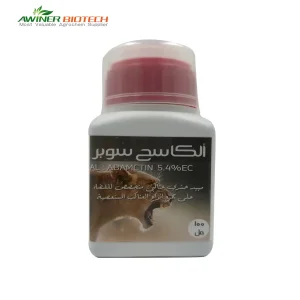
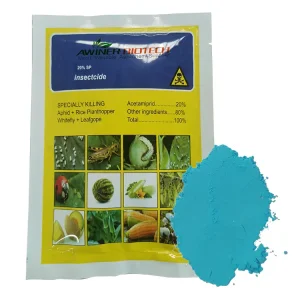
Packaging Display

Packaging Display

Frequently Asked Questions (FAQ)

1. What is Thiocyclam-hydrogenoxalate + Acetamiprid used for?

This combination insecticide is primarily designed to control a broad spectrum of pests, including sucking insects like aphids, whiteflies, and thrips, as well as select chewing pests across various crops.

2. How does the dual-action formula work?

Thiocyclam-hydrogenoxalate provides rapid knockdown through contact and ingestion, while Acetamiprid offers systemic action that moves within plant tissues for extended protection.

3. Which crops can this formulation be applied to?

It can be used on vegetables (cabbage, tomato, cucumber), field crops (rice, cotton, corn, wheat), fruit trees (citrus, apple, grape), as well as tea and ornamental plants.

4. How does this product help manage pest resistance?

By combining two active ingredients with different modes of action, it significantly reduces the likelihood of target pests developing resistance compared to single-ingredient treatments.

5. When is the best time to apply this insecticide?

Application is recommended during the early stages of pest infestation when insect populations are low and actively feeding, ensuring maximum efficacy and crop safety.
Related Products