 Awiner Biotech
1 / 1
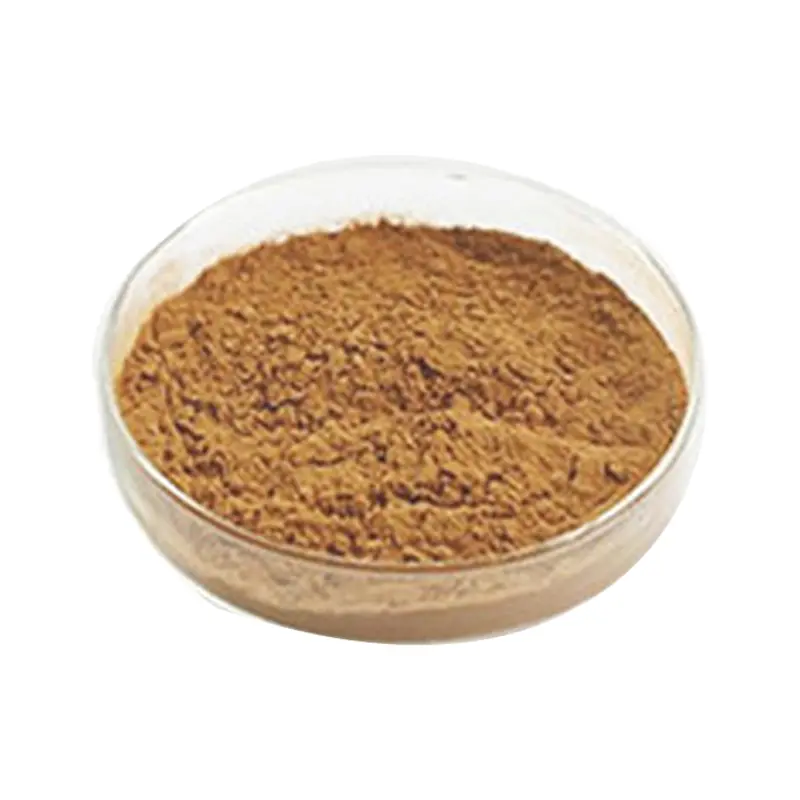
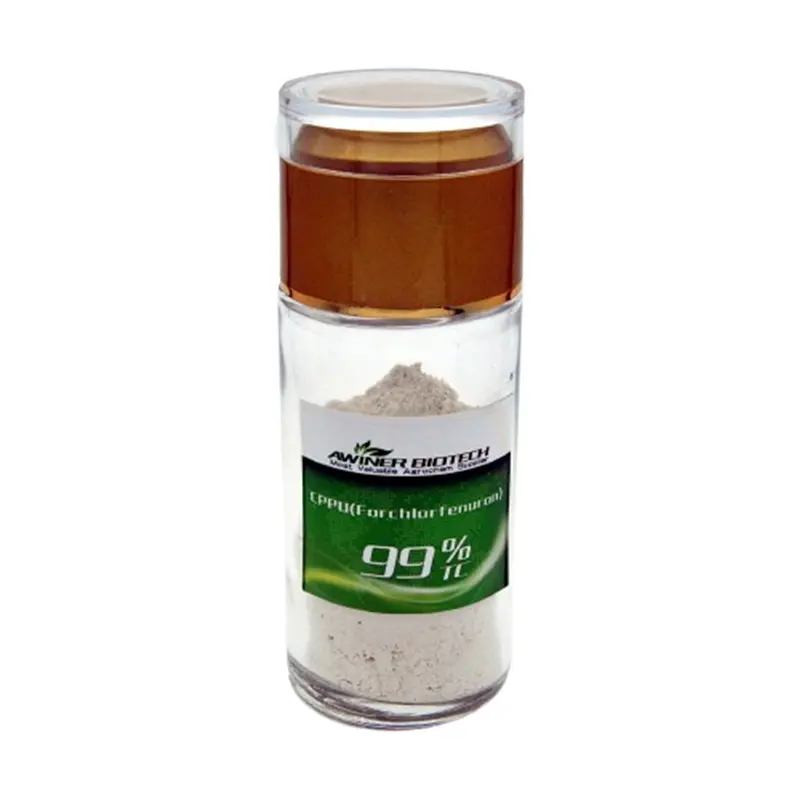
| Name | Forchlorfenuron (CPPU) |
| Molecular Formula | C12H10ClN3O |
| CAS Number | 68157-60-8 |
| EINECS Number | 614-346-0 |
| Molecular Weight | 247.68 g/mol |
| Dosage forms | 0.1% WP, 0.01% SL, 98% TC |
| Description | Forchlorfenuron is a member of the class of phenylureas. It is a plant growth regulator widely used in agriculture for improving fruit quality and fruit size. It plays a key role as a plant growth regulator. |
Forchlorfenuron mimics the effects of natural cytokinins (such as zeatin), stimulating rapid cell division and increasing cell volume, thereby accelerating fruit and tissue growth.
Increases the number and volume of cells in fruit tissues for larger, more uniform fruits. Improves nutrient transport, increasing fruit set and reducing flower/fruit drop.
Maintains chlorophyll content in leaves and fruits, slowing the senescence process and helping crops maintain optimal growth under stress like drought and low temperatures.
Balances hormones such as auxin and gibberellin, increasing photosynthetic efficiency and promoting the transport of dry matter directly to the fruit.
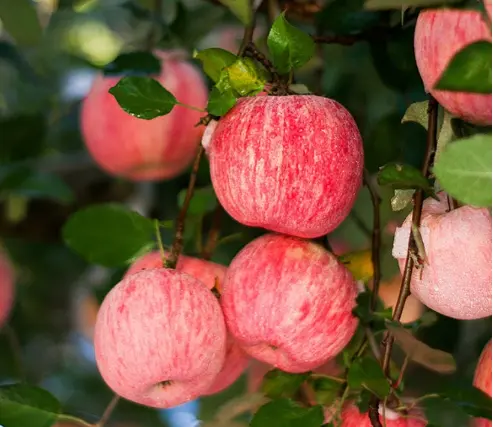
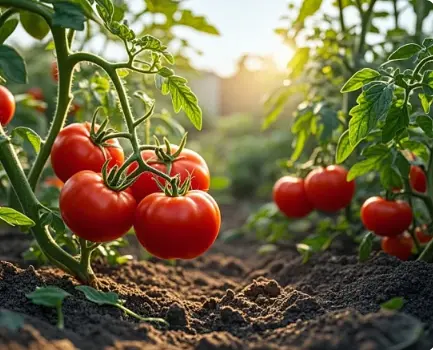
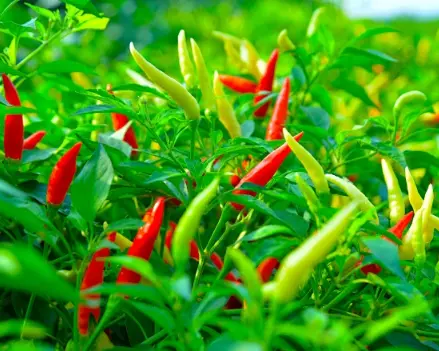
| Crop | Pesticide Concentration | Application Method | Application Timing | Number of Applications |
|---|---|---|---|---|
| Apples, Pears, Peaches, Plums | 10–20 mg/L | Spray | Early fruit enlargement stage after flowering | 1–2 times |
| Grapes | 10–15 mg/L | Spray | Post-flowering or fruit enlargement stage | 1–3 times |
| Citrus fruits | 10–15 mg/L | Spray | Young fruit stage | 1–4 times |
| Tomatoes, Cucumbers | 10–15 mg/L | Spray | Early fruiting stage | 1 time |
| Chili peppers, Eggplant | 10–20 mg/L | Spray | Fruit enlargement period | 1 time |
Forchlorfenuron (CPPU) is a plant growth regulator widely used to stimulate cell division, increase fruit size, improve fruit set, and enhance overall fruit yield and quality across various crops.
CPPU mimics natural plant cytokinins to promote rapid cell division and expansion, delaying plant aging while enhancing photosynthetic transport to the fruit.
Common crops include pome and stone fruits (apples, pears, peaches, plums), grapes, citrus, as well as solanaceous and cucurbit vegetables like tomatoes, cucumbers, eggplants, and peppers.
Typically, concentrations range between 10 mg/L to 20 mg/L depending on the crop and growth stage. Always follow specific crop guidelines to avoid over-application.
CPPU should NOT be mixed with strong acids, strong alkalis, or calcium-containing formulations. However, applying potassium and calcium fertilizers separately is recommended to prevent fruit cracking during rapid growth.
Excessive dosage or applying at temperatures above 30°C can result in deformed fruit, hollow fruit, or premature fruit cracking due to rapid expansion and insufficient nutrient balance.