 Awiner Biotech
1 / 1
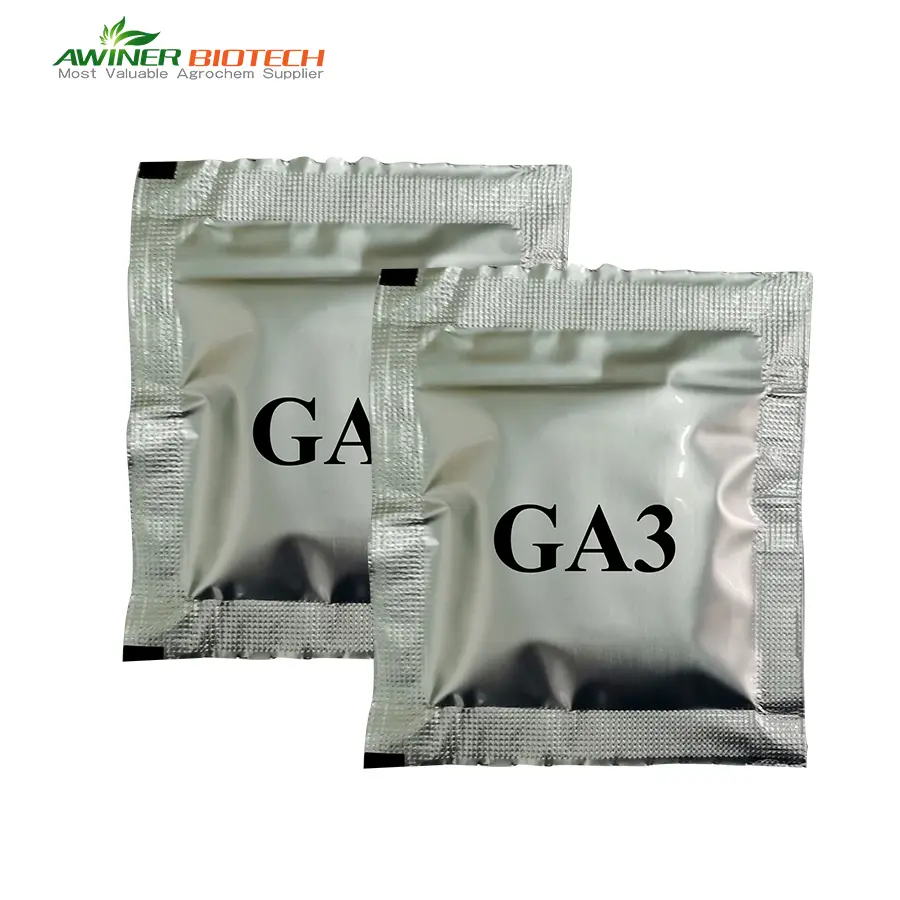
Gibberellic acid (GA3) is a natural plant hormone that is part of the gibberellin group, a family of diterpenoid acids. Gibberellins were first discovered in Japan in the early 20th century when scientists identified a fungal pathogen Gibberella fujikuroi, which produced a substance that caused abnormal growth in rice plants. GA3, the most studied and widely used gibberellin, is synthesized naturally in plants, where it promotes cell elongation, germination, and flowering, among other processes.
While gibberellins like GA3 are naturally occurring, they can also be synthesized and applied artificially to plants to achieve specific growth outcomes. The synthetic form of GA3 is typically used in agricultural and horticultural practices to regulate plant growth.
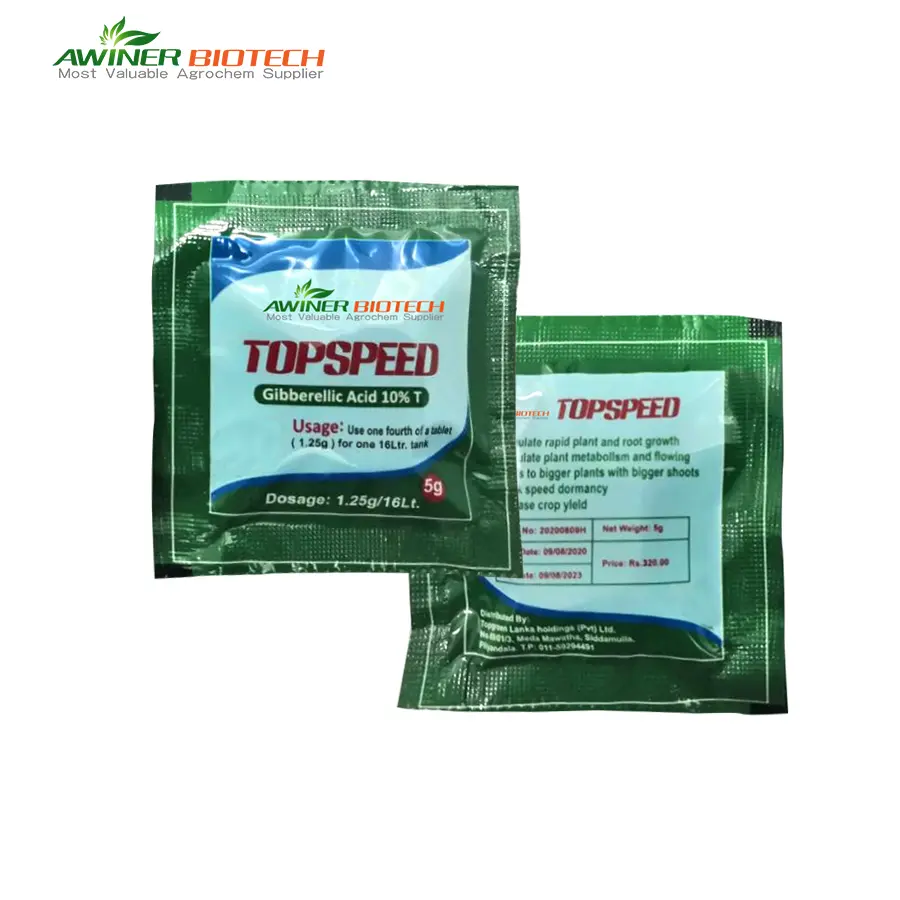
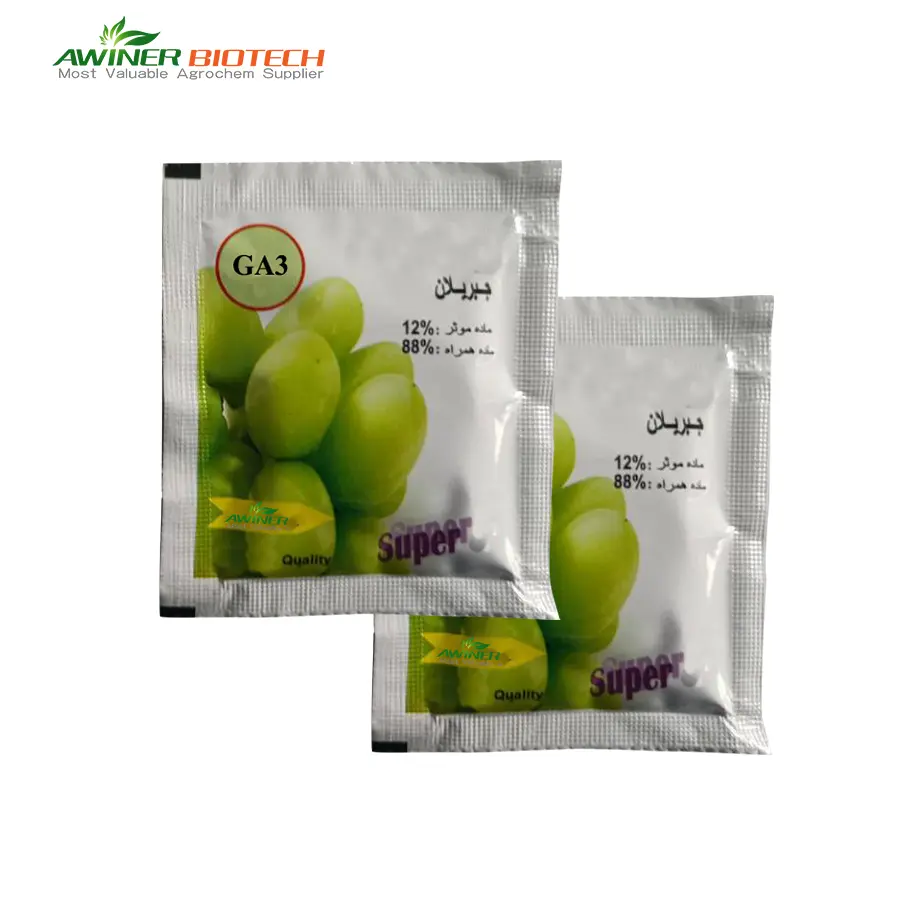
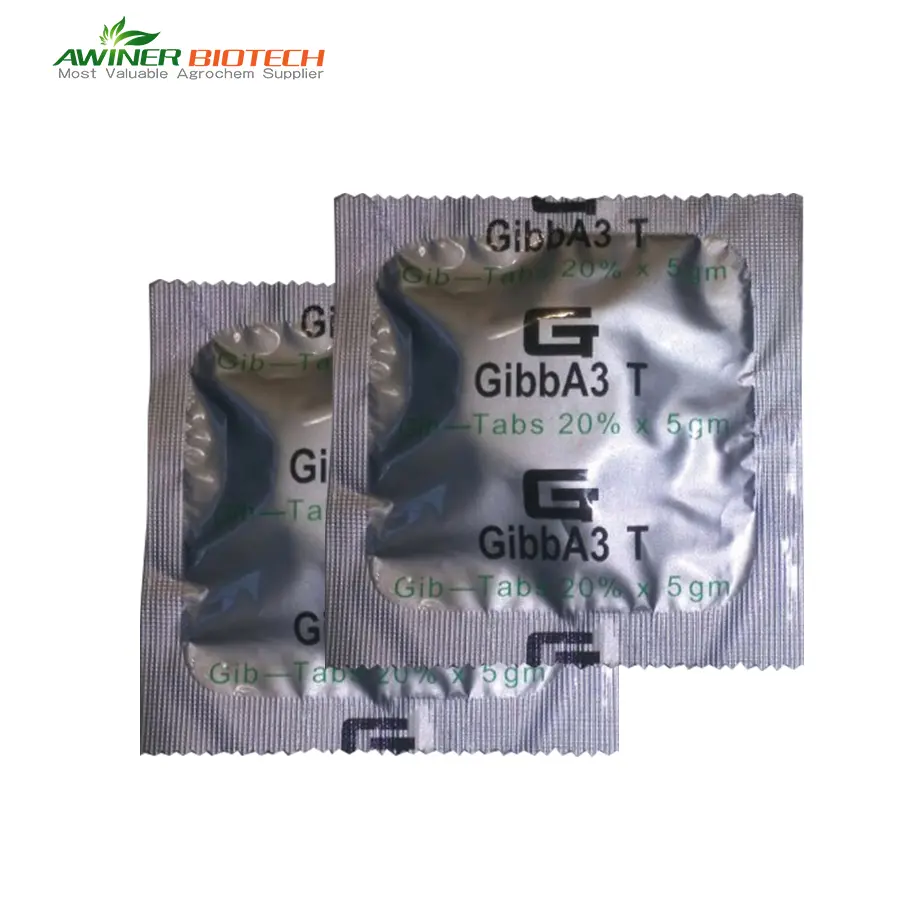

Gibberellic acid (GA3) plays a crucial role in regulating various physiological processes in plants, such as:
GA3 is essential for breaking seed dormancy and promoting germination in many plant species. It activates enzymes like amylase that break down starch reserves in seeds, providing the energy necessary for seedling growth.
One of the most well-known effects of GA3 is its ability to promote cell elongation, particularly in the stems of plants. By enhancing internode elongation, GA3 encourages taller and more vigorous growth in plants. This is particularly useful in crops like grapes, cucumbers, and rice.
In certain plants, GA3 can trigger or synchronize flowering. It is particularly useful in promoting flowering in crops like long-day plants (such as some varieties of lettuce and sugar beets) and some fruit crops. It can also help induce the flowering of plants that are not flowering naturally due to environmental conditions.
GA3 has been shown to affect fruit set, size, and quality. In fruit crops such as grapes, apples, and citrus, applying GA3 can increase fruit size, improve uniformity, and in some cases, even stimulate the production of seedless fruit (such as seedless grapes).
GA3 helps break dormancy in buds and stimulates the growth of new shoots. This is particularly useful in horticulture, where the timing of bud burst and shoot growth is critical for proper plant development and harvesting.
GA3 can influence leaf development by promoting the expansion of leaf cells. In some plants, it can also promote the growth of flower organs, improving floral architecture and the overall appearance of plants.
Gibberellic acid (GA3) is a naturally occurring plant hormone belonging to the gibberellin family that regulates plant physiological processes such as cell elongation, seed germination, bud dormancy, and flowering.
GA3 was discovered in Japan during the early 20th century after scientists identified the fungal pathogen Gibberella fujikuroi, which produced a substance causing abnormal growth in rice crops.
GA3 breaks seed dormancy by activating key enzymes like amylase. These enzymes break down stored starch within the seeds into energy necessary for active seedling growth.
Yes, applying GA3 to fruit crops like grapes, apples, and citrus can enhance fruit set, increase overall fruit size, improve crop uniformity, and even aid in developing seedless fruit varieties.
GA3 helps overcome bud dormancy to trigger the growth of new shoots, allowing growers and horticulturists to manage the timing of bud burst and optimize harvesting periods.