China Agricultural Defoliant Factories & Manufacturers

Global Industrial Insights, Advanced Formulation Engineering & Sustainable Cotton Harvest Optimization Solutions

White-Paper Report 2024-2025 ISO 9001 & FAO Quality Compliant Global Agrochemical Supply Network

Global Agricultural Defoliant Market Analysis

Industrial Transformation, Mechanical Harvesting Transitions, and Chemical Efficacy Standards

Agricultural defoliants—specialized plant growth regulators and chemical desiccant agents—represent a pivotal pillar in modern industrialized agriculture. Engineered primarily to accelerate leaf senescence and abscission without killing the host crop, defoliants facilitate automated, mechanical harvesting operations, drastically reduce trash content in fiber, and mitigate post-harvest processing costs. Globally, the demand for agricultural defoliants is intrinsically linked to the expansion of mechanized farming across commercial crops including cotton (Gossypium hirsutum), potatoes, dry beans, seed flax, and nursery stock.
$2.4B+
Global Defoliant Market Size
72%
Share of Cotton Harvest Defoliation
5.8%
CAGR Growth Projection (2024-2030)
65%+
China Chemical Synthesis Supply

Physiological Defoliation Mechanisms

Modern defoliants stimulate the synthesis of endogenous ethylene within leaf petioles while suppressing auxin transport. This biochemical imbalance triggers the formation of a distinct abscission layer at the base of the petiole, causing clean leaf dropping before mechanical strippers or pickers traverse the field.

Mechanical Harvesting Optimization

Foliage removal eliminates leaf stain on lint during cotton ginning, prevents equipment clogging, accelerates boll opening, and reduces humidity in crop canopies, effectively preventing fungal rot (e.g., boll rot caused by Fusarium spp. or Aspergillus spp.).

Desiccation vs. Defoliation Dynamics

Distinguishing biological defoliation from quick desiccation is critical. True defoliants (like Thidiazuron) promote green leaf drop without freezing leaves onto the plant, ensuring zero green-leaf trash interference in commercial fiber processing.

Biochemical Classifications & Synergistic Formulations

Technical Breakdown of Primary Active Ingredients Engineered in Top-Tier Chinese Manufacturing Centers

The global agrochemical industry relies heavily on synthesized active ingredients (AIs) sourced from specialized Chinese manufacturing clusters. Understanding the exact chemical profile and mechanism of action enables agricultural buyers, state procurement agents, and distributors to optimize formulation selections based on temperature parameters, canopy density, and target harvest timelines.
Chemical Class & Active Ingredient Primary Mode of Action Optimal Temperature Threshold Synergistic Tank-Mix Partners Key Global Markets
Thidiazuron (TDZ)
Substituted Phenylurea
Cytokinin mimic; induces ethylene synthesis, triggers clean petiole abscission layer formation. > 18°C (64°F)
Requires moderate warmth
Diuron, Ethephon, Adjuvants (Organosilicon) USA, Brazil, Xinjiang (China), Uzbekistan, Australia
Diuron
Substituted Urea Herbicide
Photosystem II inhibitor; accelerates necrosis when combined with TDZ, prevents regrowth. 15°C – 35°C Thidiazuron, Mineral Oils Global Cotton Belts, LATAM, Central Asia
Ethephon
Organophosphonate Growth Regulator
Releases ethylene directly into plant tissue; accelerates boll opening and maturation. > 20°C (68°F) TDZ + Diuron Pre-mixes North America, South America, India, Pakistan
Carfentrazone-ethyl / Pyraflufen-ethyl
Protoporphyrinogen Oxidase (PPO) Inhibitors
Rapid cell membrane disruption; ideal fast-acting desiccant and defoliant component. 10°C – 30°C
Functions well in cooler climates
Non-ionic Surfactants, Crop Oil Concentrates (COC) Eastern Europe, Northern China, Canada
Tribufos / S,S,S-Tributyl phosphorotrithioate
Organophosphorus Defoliant
Contact leaf injury triggering stress-induced ethylene release; effective under stress. 12°C – 28°C Ethephon North America, Middle East
The Chemical Synergy of TDZ + Diuron Formulations
The combination of Thidiazuron (50% WDG or 360g/L SC) with Diuron represents the gold-standard benchmark in modern cotton defoliation. While TDZ acts endocrinologically to trigger natural leaf dropping, Diuron provides mild photosynthetic stress. This dual-action pathway prevents the common problem of "leaf-sticking" (where leaves freeze in place due to over-rapid tissue necrosis) while simultaneously suppressing late-season terminal green regrowth, which would otherwise contaminate harvested fiber.

China's Manufacturing Supremacy in Agricultural Chemicals

Industrial Clustering, Scale Economies, Advanced Synthesis Pathways, and Quality Assurances

Upstream Chemical Integration

China manufactures over 70% of the world's technical agrochemical active ingredients (TC). Chemical parks in Hebei, Jiangsu, Shandong, and Hubei benefit from direct pipeline integration of raw intermediates (e.g., cyanuric chloride, basic amine compounds, chlor-alkali products), reducing raw material cost variations and protecting global supply continuity.

Advanced Formulation Technologies

Modern Chinese pesticide facilities have transitioned from legacy EC (Emulsifiable Concentrates) to eco-friendly, highly bio-available formulations: WDG (Water Dispersible Granules), SC (Suspension Concentrates), and EW (Emulsions in Water), minimizing organic solvent volatile emissions.

Stringent Quality Assurance (QA/QC)

Leading manufacturing plants utilize High-Performance Liquid Chromatography (HPLC) and Gas Chromatography-Mass Spectrometry (GC-MS) analysis to guarantee active ingredient purity (>95% to 98% TC) and strict control of micro-contaminants or nitrosamine byproducts.

Localized Crop Scenarios & Precision Application Protocols

Agronomic Guidelines for Drone (UAV) and High-Clearance Ground Boom Operations Across Diverse Climates

Achieving 90%+ defoliation efficacy without compromising seed cotton quality or tuber density requires strict adherence to environmental parameters, droplet size optimization, and timing.
Key Environmental & Operational Factors

1. Temperature Threshold Optimization

TDZ-based formulations require a daily mean temperature exceeding 18°C. For late-season applications in cooler zones (e.g., Central Asia or Northern China cotton zones late in September), adding PPO inhibitors or increasing Ethephon ratios compensates for slowed plant metabolism.

2. UAV Aerial Application (Drone Spraying)

China leads the world in agricultural drone adoption (DJI/XAG platforms). Ultra-Low Volume (ULV) spraying requires specific anti-evaporation and anti-drift adjuvants. Droplet VMD (Volume Median Diameter) must be held between 150-220 microns to ensure dense canopy penetration down to the lower leaf tiers.

3. Tank-Mix Compatibility Protocols

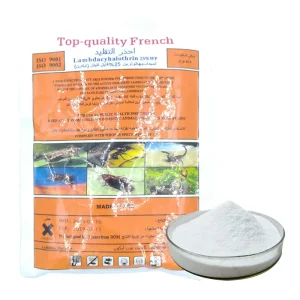
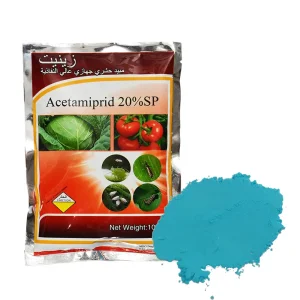
Defoliants are frequently combined with late-season insecticides (Lambda-cyhalothrin, Imidacloprid, or Acetamiprid) to clear populations of whiteflies (Bemisia tabaci) and aphids before harvest, eliminating honeydew contamination on cotton lint.

Company Introduction & Global Supply Capability

Awiner Biotech — Leading Agrochemical Manufacturing & Distribution Partner Since 2006
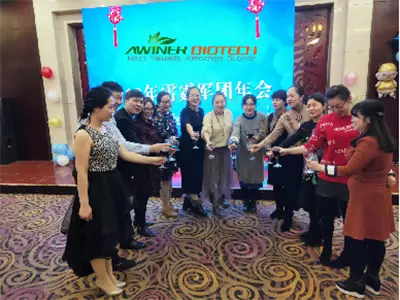
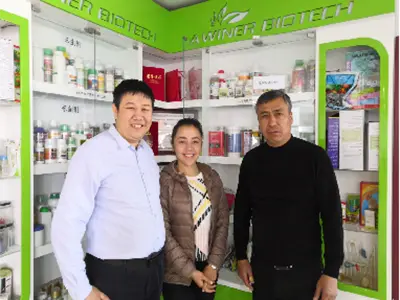
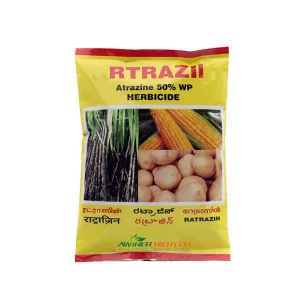
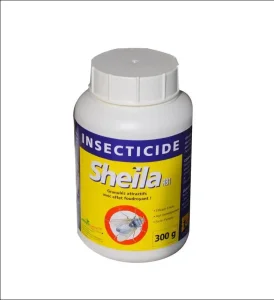
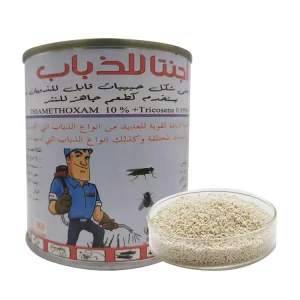
Awiner Biotech was founded in 2006, located in the north of China—Shijiazhuang, Hebei Province. The city is close to our capital Beijing, with highly convenient transportation and industrial cluster connectivity. Awiner Biotech is committed to research, production, and distribution of agrochemicals globally. We mainly deal with pesticides, herbicides, fungicides, plant growth regulators, defoliants, and public health pesticides.
Up to now, we have won trusted customers and strategic distributors from: Iraq, Iran, Afghanistan, Pakistan, India, Libya, Syria, Turkey, Yemen, Ukraine, Russia, Kazakhstan, Uzbekistan, Chile, Bolivia, Mexico, Brazil, Paraguay, Nigeria, Djibouti, Rwanda, Somalia, Malaysia, Cambodia, Nepal, Myanmar, and many other agricultural nations.
Market Inspections & Exhibitions: Our enterprise regularly participates in major international agricultural exhibitions across Turkey, Iran, Pakistan, Nigeria, Russia, Cambodia, Malaysia, and Uzbekistan. Furthermore, our technical agronomy teams conduct on-site country market inspections to analyze crop protection issues, evaluate climatic performance, and optimize formulation parameters directly with regional growers.
Awiner Agro Market Map
Awiner Agro Global Network

Strategic Procurement & Regulatory Compliance Guide

Essential Guidelines for International B2B Buyers Purchasing Agrochemical Bulk Materials from China

1. Registration Dossier & FAO Specifications

Global importers must verify that Chinese suppliers can supply complete regulatory support: ICAMA certificates, GLP laboratory test reports (5-batch analysis, acute toxicology studies), and FAO/WHO specifications to guarantee registration approval with local Ministries of Agriculture.

2. Dangerous Goods (DG) Logistics & Packaging

Liquid pesticides and EC/SC formulations fall under specific IMDG code dangerous goods categories (UN numbers class 6.1 or class 9). Qualified manufacturers supply UN-certified HDPE drums, aluminum bottles, or soluble bags with MSDS / COA certificates for smooth customs clearance.

3. OEM / ODM Customization & Brand Packaging

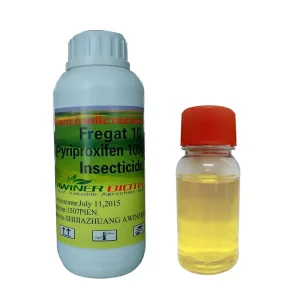
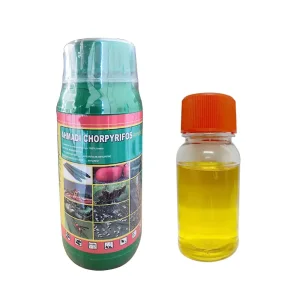
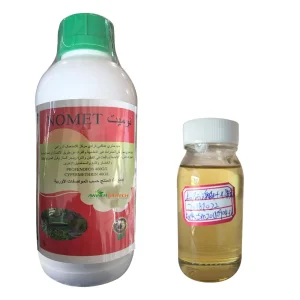
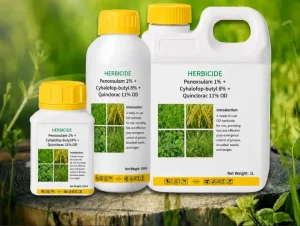
To serve diverse localized markets, top suppliers offer complete private-label customized packaging—ranging from 100mL small bottles for smallholder farmers to 200L industrial drums or 1000L IBC tanks for commercial estates.

Frequently Asked Questions (FAQ)

Expert Technical & Commercial Answers for Global Agrochemical Buyers & Distributors
Q: What is the difference between a defoliant and a desiccant in cotton harvesting?
A defoliant (such as Thidiazuron) stimulates the plant's hormonal pathways to trigger natural abscission cell division at the leaf petiole base, resulting in green leaf fall without killing the plant immediately. A desiccant (such as Paraquat or Diquat) rapidly kills plant tissue by drying out leaves instantly. Desiccants can cause "leaf freezing" where dead dried leaves cling to stems, contaminating mechanical cotton pickers. Defoliants are preferred for high-grade fiber production.
Q: What is the optimal timing for applying agricultural defoliants on cotton fields?
Defoliants should generally be applied when cotton boll opening reaches 60% to 70%, and the youngest boll intended for harvest is at least 20 days old or resists squeezing between thumb and forefinger. Applying defoliants too early can reduce micronaire value and lint weight, while applying too late increases frost damage risk and leaf decay.
Q: How does ambient temperature affect Thidiazuron (TDZ) defoliation performance?
Thidiazuron is temperature-sensitive. Efficacy is highest when daily average temperatures exceed 18°C–20°C. If temperatures drop below 15°C, plant biological activity slows down, drastically delaying leaf drop. Under low-temperature conditions, combining TDZ with Diuron, Ethephon, or PPO inhibitors is strongly recommended to maintain defoliation efficiency.
Q: Why source agricultural defoliants and pesticides directly from Chinese manufacturers?
China offers unmatched vertical integration across basic chemical synthesis, active ingredient manufacturing (TC), and advanced formulation technologies (WDG, SC, EW). direct sourcing from experienced factories in chemical hubs like Shijiazhuang, Hebei provides global distributors with competitive pricing, custom packaging flexibility, rigorous lab quality control, and scalable production capacity.
Q: Can defoliants be tank-mixed with insecticides during aerial drone spraying?
Yes, tank-mixing defoliants with insecticides like Lambda-cyhalothrin or Imidacloprid is standard practice to eliminate late-season whiteflies, aphids, and bollworms. However, physical jar tests and compatibility checks should always be conducted prior to drone spraying. Specialized anti-drift adjuvants should be added when applying via Ultra-Low Volume (ULV) UAV equipment.
Q: What certification documents does Awiner Biotech provide for overseas customs clearance?
Awiner Biotech provides comprehensive documentation required for international trade and ministry registration, including: Certificate of Analysis (COA), Material Safety Data Sheets (MSDS), ICAMA manufacturing permits, FAO quality standard test reports, and UN-certified dangerous goods packaging documentation.