Direct Chemical Factory Pricing & Certified Export Supply for Global Crop Protection
Understanding Economic Thresholds, Viral Vector Transmission, and Global Agrochemical Demand Dynamics
Aphids (superfamily Aphidoidea), commonly encompassing aggressive agricultural species such as the Green Peach Aphid (Myzus persicae), Cotton/Melon Aphid (Aphis gossypii), and Bird Cherry-Oat Aphid (Rhopalosiphum padi), represent one of the most destructive insect vectors threatening global crop yields. Beyond direct vascular damage caused by piercing-sucking mouthparts extracting plant sap, aphids transmit over 50% of known insect-vectored plant viruses, including Potato Virus Y (PVY), Cucumber Mosaic Virus (CMV), and Barley Yellow Dwarf Virus (BYDV). Global yield losses directly and indirectly attributed to aphid infestations exceed $18 billion annually across row crops, horticulture, and commercial tree fruit sectors.
The global demand for high-efficiency aphid control agents is experiencing a structural paradigm shift driven by three primary catalysts:
How Vertical Chemical Integration & Modern Industrial Infrastructure Drive Unmatched Value
China's key agrochemical manufacturing hubs, notably in Hebei and neighboring chemical parks, benefit from immediate proximity to basic petrochemical feedstocks (chlor-alkali, pyridine, cyanamide). This vertical integration eliminates cross-border raw material transport overhead and reduces Active Ingredient (TC) synthesis costs by 25–35% relative to overseas formulators.
Modern Chinese manufacturers have transitioned from low-value Dustable Powders (DP) and standard Emulsifiable Concentrates (EC) to eco-friendly, highly bioavailable delivery platforms. High-speed bead milling and automated micro-emulsification enable ultra-fine particle sizes (<2 microns) in Suspension Concentrates (SC) and Water Dispersible Granules (WDG), improving leaf adhesion and Rainfastness.
State-of-the-art continuous flow reactors and multi-ton automated filling lines operate 24/7. Proximity to major international deep-water ports (such as Tianjin and Qingdao) streamlines containerized export shipments, enabling reduced transit timelines and lowered Freight on Board (FOB) charges for overseas buyers.
Scientific Classification of Active Ingredients for Optimal Efficacy & Resistance Resistance
Formulating highly effective aphid control agents requires matching the active ingredient's biochemical mode of action to specific crop growth stages, pest population densities, and environmental parameters. The table below outlines the primary active ingredient classes manufactured in China for global distribution:
| Active Ingredient (AI) | IRAC Group | Primary Target MoA | Formulation Types | Key Target Crops | Systemic vs Contact |
|---|---|---|---|---|---|
| Acetamiprid | 4A Neonicotinoid | Nicotinic acetylcholine receptor (nAChR) competitive modulator | 20% SP, 70% WDG, 32g/L EC | Cotton, Vegetables, Citrus, Tobacco | Strong Translaminar & Systemic |
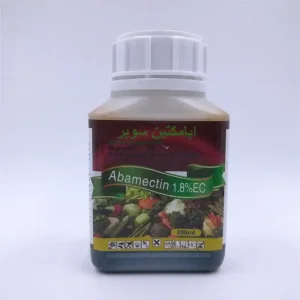
| Abamectin | 6 Avermectin | Glutamate-gated chloride channel (GluCl) allosteric modulator | 1.8% EC, 3.6% EC, 5.0% EC | Fruit trees, Vegetables, Ornamentals | Contact & Stomach (Translaminar) |
| Thiamethoxam | 4A Neonicotinoid | nAChR agonist causing nervous system paralysis | 25% WDG, 35% FS, 70% WS | Wheat, Corn, Soybeans, Seed Treatment | High Xylem Systemic Mobility |
| Flonicamid | 29 Chordotonal Organ | Blocks aphid stylet feeding penetration within 1 hour | 50% WDG, 10% SC | Greenhouse Crops, Apples, Potatoes | Systemic & Translaminar Penetration |
| Pymetrozine | 9B Feeding Blocker | Neuro-muscular modulation of salivary pump activity | 50% WDG, 25% WP | Rice, Cereals, Brassica Vegetables | Systemic Phloem Translocation |
Single active ingredient treatments often face rapid field resistance development. Chinese formulation technology excels in manufacturing synergistic pre-mix products that combine two distinct modes of action into a single stable formulation:
Mitigating Knockdown Resistance (KDR) & Metabolic P450 Upregulation
Over-reliance on single-site neonicotinoid active ingredients has selected for resistant aphid populations globally. Key genetic adaptation vectors include:
To preserve chemical efficacy and ensure maximum Return on Investment (ROI) for growers, procurement agents should recommend integrated spraying windows:
Tailored Agrochemical Solutions across International Agricultural Regions
Target Pest: Aphis gossypii (Cotton Aphid)
Recommended Solution: Acetamiprid 20% SP or Acetamiprid + Abamectin EC premix.
Application Rate: 150–200 g/ha applied during vegetative branching and early boll formation to prevent honeydew contamination on lint.
Target Pest: Rhopalosiphum padi (Grain Aphid)
Recommended Solution: Thiamethoxam 35% FS Seed Treatment combined with foliar Flusilazole/Mancozeb tank mixes.
Application Rate: Seed treatment at 1.5–2.0 L/ton seed prior to autumn planting to prevent BYDV virus transmission.
Target Pest: Myzus persicae (Green Peach Aphid)
Recommended Solution: Flonicamid 50% WDG or Imidacloprid 70% WG.
Application Rate: 100–120 g/ha via drip irrigation or boom sprayer. Excellent crop safety in tomato, pepper, and cucumber greenhouses.
Understanding Technical Grade Purity, Formulation Inert Packages, and Wholesale Price Drivers
When requesting quotes and evaluating pricelists from Chinese agrochemical manufacturers, procurement managers must evaluate several pricing variables beyond basic metric ton costs. The following matrix illustrates key cost determinants:
| Pricelist Factor | Impact on Unit Cost | Technical Specification Details | Strategic Procurement Advice |
|---|---|---|---|
| Technical Active Purity (TC) | High (±15-25%) | 95% TC vs 98% TC synthesis grade active material. | Higher TC purity reduces unreacted organic impurities, yielding superior shelf-life stability (2+ years). |
| Surfactant & Inert Package | Medium (±10-18%) | Standard calcium dodecylbenzene sulfonate vs premium alkyl polyglycosides (APG) or organosilicones. | Premium surfactants increase spray dispersion and rainfastness, allowing reduced active dose per hectare. |
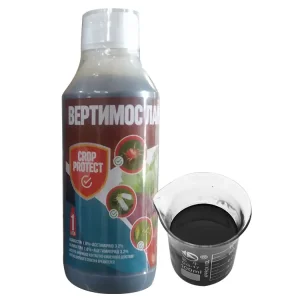
| Packaging Configuration | Medium (±8-15%) | 200L Steel Drums vs 1L HDPE Bottles vs Custom Soluble PVA Bags. | Small retail bottles (100ml–1L) incur higher filling automation labor costs than bulk ISO tanks or 200L drums. |
| Regulatory GLP Data Support | Low to Medium | Full 5-batch analysis, FAO spec reports, and ecotoxicology GLP study dossiers. | Essential for buyers registering proprietary active formulations with national Ministries of Agriculture. |
$9,500 – $14,200 / MT
Varies based on 97% TC raw material costs and formulation style (20% SP vs 70% WDG).
$42,000 – $58,000 / MT (Pure TC)
Formulated 1.8% EC ranges between $3.80 – $5.20 / Liter based on solvent grade.
$11,000 – $16,500 / MT
25% WDG and 35% FS formulations depending on emulsifier and dispersion technology.
Serving Global Agrochemical Markets with High-Purity Crop Protection Solutions Since 2006
Awiner Biotech was founded in 2006, located in the north of China—Shijiazhuang, Hebei Province. The city is close to China's capital Beijing, offering highly convenient transportation and industrial logistics networks.
Awiner Biotech is deeply committed to the research, production, synthesis, and worldwide distribution of modern agrochemicals. We specialize in comprehensive chemical solutions, including pesticides, herbicides, fungicides, plant growth regulators, and public health insecticides.
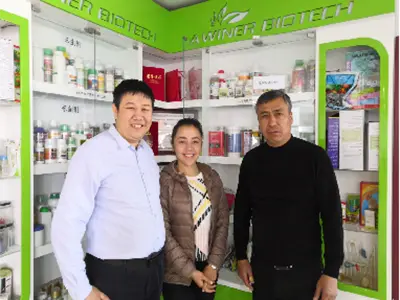
Up to now, we have established long-term commercial relationships and won loyal customers across 30+ nations, including: Iraq, Iran, Afghanistan, Pakistan, India, Libya, Syria, Turkey, Yemen, Ukraine, Russia, Kazakhstan, Uzbekistan, Chile, Bolivia, Mexico, Brazil, Paraguay, Nigeria, Djibouti, Rwanda, Somalia, Malaysia, Cambodia, Nepal, Myanmar, and more.
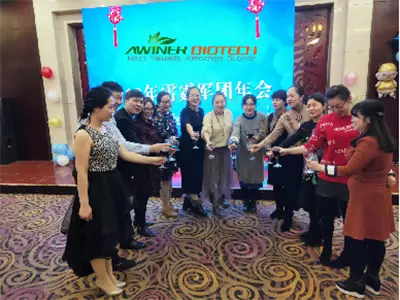
Awiner Biotech actively participates in leading international agrochemical trade fairs and summits to connect with regional distributors. Regular exhibition countries include: Turkey, Iran, Pakistan, Nigeria, Russia, Cambodia, Malaysia, Uzbekistan, among others.
We send senior technical agronomists directly to customer territories to perform comprehensive market inspections. We analyze regional pest pressures, optimize localized product usage protocols, solve phytotoxicity issues, and host client delegations at our factory facilities.
Technical & Commercial Clarifications on Manufacturing, Sourcing, and Quality Assurance
For standard bulk technical packaging (200L drums or 25kg fiber drums), our default MOQ is 1,000 L/kg. For customized small retail packaging (e.g., 100ml, 500ml, or 1L HDPE bottles with custom brand labeling), the standard production batch MOQ is 3,000 Liters or 1 Metric Ton equivalent per formulation.
Every production batch undergoes strict High-Performance Liquid Chromatography (HPLC) testing in our ISO-certified QC laboratory. We issue a Certificate of Analysis (COA) for every shipment. Additionally, we support third-party pre-shipment inspections by independent testing bodies such as SGS or Bureau Veritas upon request.
Yes. We provide complete dossier registration support for global distributors, including ICAMA certificates, Free Sale Certificates (FSC), 5-batch analytical reports, product stability data, and ecotoxicology documentation compliant with regional agricultural authority requirements.
Standard formulation production lead time is 15 to 20 days upon contract confirmation and artwork approval. Sea freight ocean transit times vary by destination: 15–20 days to Southeast Asia, 25–35 days to Middle Eastern and European ports, and 30–45 days to South American destinations.
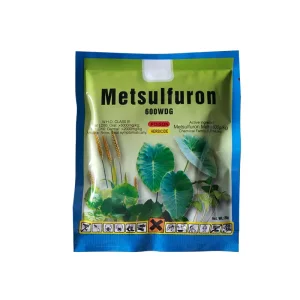
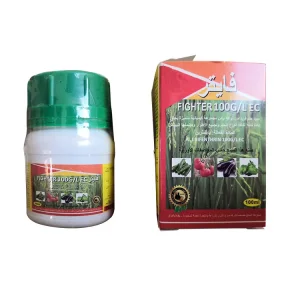
Explore Our Broad Range of High-Purity Herbicides, Insecticides & Fungicides
 Awiner Biotech