Empowering Global Agriculture with High-Efficacy Syntheses, Advanced Formulations & Uncompromised Industrial Supply Chain Resilience
High-purity active ingredients and scientifically formulated pest control solutions engineered for global export.
In modern global agriculture, commercial agribusinesses, state procurement agencies, and large-scale distributor networks face an increasingly complex set of challenges. Severe weather anomalies triggered by climate change, expanding insect migration corridors, and accelerating pest resistance dynamics (IRAC Mode of Action shifts) threaten global crop yields and food security. Within this challenging ecosystem, high-efficacy, broad-spectrum insecticides represent a critical defense mechanism for maintaining agronomic yield integrity across staple grains, cash crops, and horticultural value chains.
As the undisputed epicenter of global agrochemical manufacturing, China supplies over 70% of the world’s active ingredients (AIs) and downstream formulated pesticide products. Navigating the modern sourcing ecosystem requires B2B importers to look beyond basic unit pricing. Enterprise procurement strategies now focus on securing manufacturing partners who combine chemical synthesis capacity with robust regulatory compliance, advanced formulation technology (such as WDG, SC, microencapsulation, and eco-friendly EW formats), and reliable international supply chain logistics.
Modern broad-spectrum pest control relies on high-purity chemical synthesis to prevent phytotoxicity and resistance development. Leading Chinese pesticide manufacturing centers, such as those located in Hebei Province, leverage vertically integrated synthesis corridors. This infrastructure allows precise control over intermediate reactions, yielding Technical Grade (TC) purity levels up to 98%+, while delivering low-impact, highly targeted field performance.
Shifting from legacy Emulsifiable Concentrates (EC) to high-efficiency, environmentally responsible delivery systems.
Global regulatory standards (including EU Green Deal and EPA directives) are accelerating the phase-out of benzene-based solvents. Top China chemical factories are leading the development of Emulsion in Water (EW) and Micro-emulsion (ME) formulations, drastically reducing Volatile Organic Compound (VOC) emissions while optimizing leaf surface adhesion.
Water Dispersible Granules (WDG) represent the gold standard for solid formulation logistics. Engineered via fluid-bed granulation, Chinese WDG technologies ensure zero dust hazard during mixing, rapid spontaneous dispersion within 30 seconds, and enhanced physical stability under tropical storage conditions.
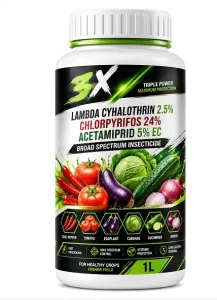
To combat single-site target pest mutation, factory-engineered pre-mix solutions (e.g., combining quick knock-down Synthetic Pyrethroids with systemic Neonicotinoids or IGRs) deliver multi-site modes of action. This broadens the control spectrum while slowing resistance buildup.
The global agrochemical supply chain has underwent significant structural stress over recent years. Raw material supply volatility, strict environmental compliance enforcement, and international freight shifts have highlighted the necessity of partnering with well-capitalized, integrated Chinese manufacturing hubs. The region of Shijiazhuang in Hebei Province—strategically connected to Beijing and major northern shipping ports—serves as an industrial pillar for synthesis, formulation processing, and international export.
| Formulation Technology | Agronomic & Physical Advantage | Target Pest Spectrum | Key Global Applications |
|---|---|---|---|
| WDG (Water Dispersible Granule) | Dustless, rapid dissolution, non-caking in storage | Chewing & Piercing-Sucking Insects | Corn, Vegetables, Orchards |
| SC (Suspension Concentrate) | Solvent-free, small particle size, strong rainfastness | Mites, Caterpillars, Beetles | Soybeans, Cotton, Fruits |
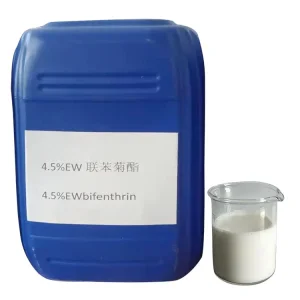
| EW (Emulsion in Water) | Low VOC emission, high skin safety, eco-friendly | Public Health Pests, Flying Insects | Residential, Forestry, Row Crops |
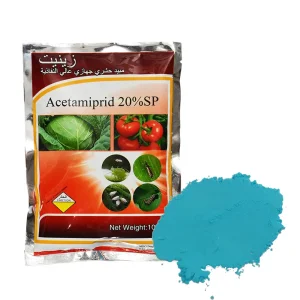
| SP / SL (Soluble Powder / Liquid) | 100% bio-available solution, systemic activity | Aphids, Whiteflies, Thrips | Greenhouse Crops, Rice, Vegetables |
Customized insect defense strategies tailored to specific agronomic zones and pest pressures.
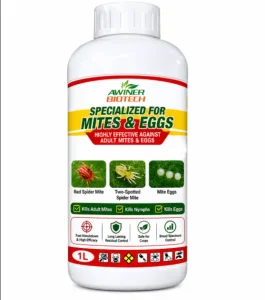
In major agricultural markets like Brazil, Chile, Bolivia, Mexico, and Paraguay, pressure from Spodoptera frugiperda (Fall Armyworm) and resistant spider mites requires potent, high-dose active formulations. Combinations of Emamectin Benzoate and targeted miticides deliver broad-spectrum control across extensive soybean and corn operations.
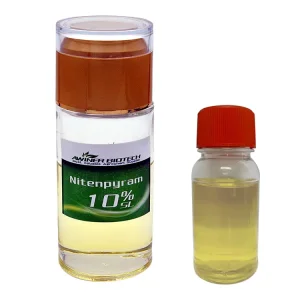
Agricultural operations across Iraq, Iran, Syria, Yemen, Libya, and Turkey face intense aphid, whitefly, and thrips pressure aggravated by dry heat. Systemic compounds such as Acetamiprid, Nitenpyram, and Thiocyclam formulations provide durable vascular protection for dates, vegetables, and cotton crops.
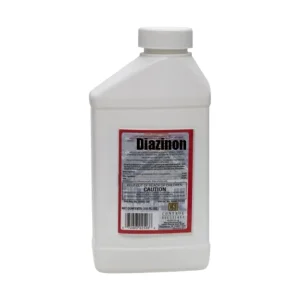
Large-scale cereal grain and oilseed producers in Russia, Ukraine, Kazakhstan, and Uzbekistan depend on cost-effective, cold-stable broad-spectrum solutions like Diazinon and Lambda-Cyhalothrin premixes to clear field pests prior to winter sowing and spring growth phases.
Eighteen years of chemical manufacturing leadership, regulatory support, and field-tested agronomic solutions.
Founded in 2006, Awiner Biotech is located in Shijiazhuang, Hebei Province, north of China, adjacent to Beijing. Supported by convenient logistics infrastructure, Awiner Biotech has grown into a reliable manufacturer, researcher, and global exporter of high-grade agrochemicals. Our comprehensive product portfolio covers pesticides, herbicides, fungicides, plant growth regulators (PGR), and public health vector control formulations.
Through stringent quality control, field trial verification, and hands-on customer collaboration, Awiner Biotech has built lasting supply partnerships across more than 30 nations. Our active export footprint and registered market distribution network span across diverse agricultural regions:
Awiner Biotech regularly participates in premier global agrochemical trade exhibitions in key regions, including Turkey, Iran, Pakistan, Nigeria, Russia, Cambodia, Malaysia, and Uzbekistan. Beyond industry trade shows, technical agronomists from Awiner conduct on-site market surveys across client countries. These visits help evaluate real-world product application performance under local soil and climate conditions, providing custom technical support to importers, formulators, and agricultural distributors worldwide.
Expert guidance on agrochemical procurement, registration compliance, and formulation stability.
Explore our full series of specialized insecticides, herbicides, fungicides, and growth regulators.
 Awiner Biotech