Explore specialized crop protection, vector control, and acaricidal active ingredients manufactured under strict ISO quality standards for global agricultural distribution.
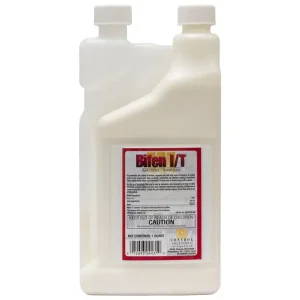
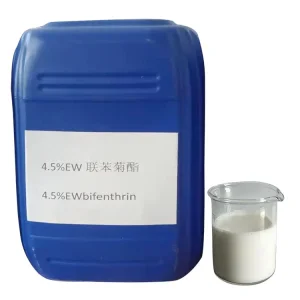
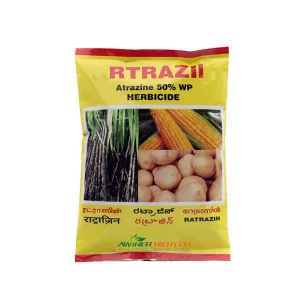
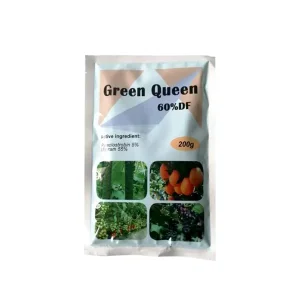
Spider mites (family Tetranychidae), primarily comprising Tetranychus urticae (Two-Spotted Spider Mite) and Tetranychus cinnabarinus (Carmine Spider Mite), represent one of the most economically devastating pest complexes in global horticulture. Their minute size, coupled with explosive reproductive rates under warmer microclimates, causes annual crop revenue losses exceeding billions of dollars across key agricultural zones in North America, Europe, the Middle East, and Asia-Pacific.
Protected agriculture (greenhouse environments) creates an ideal microclimate for Tetranychidae proliferation. Controlled temperatures and low relative humidity suppress natural fungal pathogens while accelerating mite fecundity. Female spider mites can lay up to 200 eggs within a 3-week adult lifespan under greenhouse conditions.
Spider mites utilize stylets to pierce plant epidermal cells, extracting sap containing essential carbohydrates and chlorophyll. Visible symptoms include characteristic chlorotic stippling, leaf bronzing, accelerated transpiration, and eventual necrosis. Severe infestations trigger complete defoliation, dramatically reducing photosynthetic potential and marketable yield.
As the world's leading chemical manufacturing hub, China provides high-purity active technical materials (TC) and tailor-made formulations (SC, EC, WDG, CS). Chinese suppliers maintain vertical integration across precursor synthesis, raw material processing, and advanced co-formulation engineering, ensuring global supply chain stability.
Due to arrhenotokous parthenogenesis and high mutation rates, spider mites develop cross-resistance to mono-targeted chemical groups extremely rapidly. Strategic rotation across disparate Insecticide Resistance Action Committee (IRAC) Mode of Action (MoA) classes is vital to preserving active ingredient efficacy.
| IRAC Group | Chemical Sub-Class | Representative Active Ingredients | Primary Target Site / Physiological Mechanism | Resistance Risk Level |
|---|---|---|---|---|
| Group 6 | Avermectins / Milbemycins | Abamectin, Emamectin Benzoate | Allosteric modulators of glutamate-gated chloride channels (GluCl) causing neuromuscular paralysis. | High (Requires strict rotation) |
| Group 3A | Pyrethroids / Pyrethrins | Bifenthrin, Fenpropathrin | Sodium channel modulators disrupting nerve impulse axonal transmission. | High (Broad-spectrum cross-resistance) |
| Group 23 | Tetronic & Tetramic acid derivatives | Spirodiclofen, Spirotetramat | Inhibitors of acetyl CoA carboxylase (ACC), blocking lipid biosynthesis in juvenile development stages. | Medium to High |
| Group 10B | Etoxazole / Clofentezine | Etoxazole, Hexythiazox | Mite growth inhibitors interfering with chitin synthase 1 (CHS1) synthesis during embryonic molting. | Medium (Ovicidal activity) |
| Group 13 | Pyrroles | Chlorfenapyr | Uncouplers of oxidative phosphorylation via disruption of proton gradient across mitochondrial membranes. | Low to Medium |
Mite resistance primarily evolves via two metabolic branches: Target-Site Insensitivity (structural mutations in voltage-gated sodium channels or glutamate-gated chloride channel receptors) and Metabolic Detoxification Overexpression (upregulation of cytochrome P450 monooxygenases, glutathione S-transferases [GSTs], and carboxylesterases [COEs]).
To overcome metabolic resistance, Chinese agrochemical engineers combine active ingredients with metabolic synergists (e.g., Piperonyl Butoxide - PBO) or utilize proprietary adjuvant systems that enhance cuticular penetration and systemic laminar translocation within crop foliage.
Effective management of vegetable spider mites requires tailored spray regimes adapted to distinct climatic zones, crop physiology, and cultivation structures worldwide.
Extreme temperatures (exceeding 40°C) coupled with low atmospheric moisture induce thermal stress in crops while accelerating spider mite reproduction rates to 4-6 day lifecycles. High thermal degradation of chemicals mandates early-morning application using stable Suspension Concentrate (SC) or Microencapsulated (CS) formulations with non-ionic organosilicone surfactants to prevent rapid evaporation.
Frequent heavy precipitation causes severe foliar spray wash-off. Formulations specified for these regions demand strong lipophilic binding agents and superior rainfast properties. Emulsifiable Concentrates (EC) blended with specialized sticker-spreaders guarantee active ingredient adherence to leaf abaxial surfaces where mite colonies congregate.
Continuous glasshouse crop cycles (tomatoes, cucumbers, peppers) create dense multi-layered leaf canopies. Standard hydraulic sprayers often fail to reach inner foliage. High-pressure electro-static sprayers or ultra-low-volume (ULV) cold foggers using fine micron droplet specs (30–50 µm) ensure uniform coverage of underside leaf blades.
Modern crop protection chemistry is shifting from broad-spectrum organophosphates to hyper-targeted, environmentally conscious micro-formulations. Chinese chemical R&D facilities lead this transition through three main technological vectors:
Polymeric shell capsules enclose volatile active ingredients, providing controlled zero-order release rates over 21-30 days. Microencapsulation protects delicate molecules (e.g., Abamectin) from rapid UV degradation (photolysis) on upper leaf surfaces while significantly lowering acute mammalian toxicity and reducing phytotoxicity risk during flowering stages.
Phasing out hazardous aromatic organic solvents (Xylene, Toluene) in favor of water-based Suspension Concentrates (SC) and Water Dispersible Granules (WDG). These green chemistry platforms yield zero volatile organic compound (VOC) emissions during manufacturing, lower transportation hazard classifications, and ensure excellent leaf safety profiles.
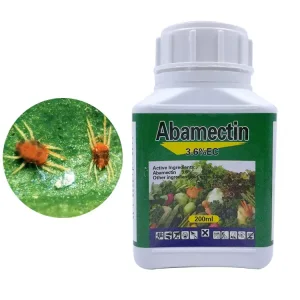
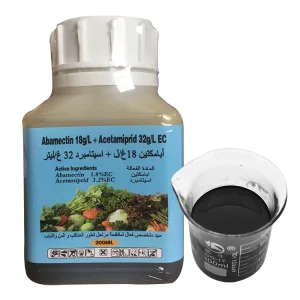
Engineered dual-active systems combine quick contact knockdown agents (e.g., Bifenthrin) with translaminar translative systemic compounds (e.g., Acetamiprid or Abamectin). This dual-mode mechanism eliminates adult mites while simultaneously eradicating hidden nymphal colonies feeding on lower structural stems.
Strict Maximum Residue Limits (MRLs) established by the European Union, US EPA, and Codex Alimentarius demand that commercial vegetable growers implement holistic Integrated Pest Management (IPM) systems rather than relying exclusively on chemical interventions.
Commercial exporters must verify product registration and maximum residual tolerances before applying broad-spectrum chemistries:
| Active Ingredient | EU MRL (mg/kg) | US MRL (mg/kg) |
|---|---|---|
| Abamectin | 0.015 | 0.05 |
| Bifenthrin | 0.01 (Default) | 0.5 |
| Chlorfenapyr | 0.01 (Default) | 1.0 |
Established in 2006, Awiner Biotech has evolved into a internationally recognized agrochemical leader located in Shijiazhuang, Hebei Province, near China's capital, Beijing. We specialize in the R&D, synthesis, formulation, and global distribution of advanced crop protection solutions.
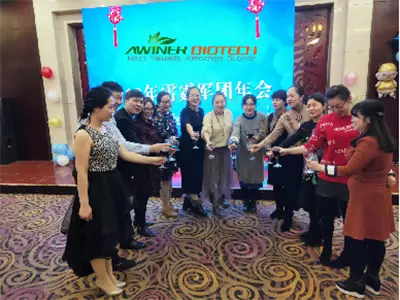
Through stringent quality controls, ICAMA registration support, and adaptive commercial packaging, Awiner Biotech has established long-term strategic partnerships across more than 30 countries and regions:
Active Footprint: Iraq, Iran, Afghanistan, Pakistan, India, Libya, Syria, Turkey, Yemen, Ukraine, Russia, Kazakhstan, Uzbekistan, Chile, Bolivia, Mexico, Brazil, Paraguay, Nigeria, Djibouti, Rwanda, Somalia, Malaysia, Cambodia, Nepal, Myanmar, and beyond.
Our commitment to E-E-A-T (Experience, Expertise, Authoritativeness, Reliability) extends beyond manufacturing. Awiner Biotech agronomic engineering teams regularly visit customer farms and regional distribution hubs in Turkey, Russia, Pakistan, Uzbekistan, and Nigeria. We perform local pest resistance profiling, soil-chemical compatibility studies, and application equipment calibration on-site.

Expert technical solutions to common queries regarding active ingredient selection, resistance prevention, and procurement procedures from China suppliers.
Abamectin acts as an allosteric modulator of glutamate-gated chloride channels (GluCl), providing rapid translaminar knock-down. However, because female spider mites reproduce via arrhenotokous parthenogenesis, recessive resistant mutations manifest rapidly across generations. To prevent efficacy loss, Abamectin should never be applied more than twice consecutively within a single growing season and should always be rotated with non-cross-resistant active chemistries like Chlorfenapyr, Spirodiclofen, or Pyrethroids.
Vegetable foliage such as brassicas, tomatoes, and cucurbits feature thick waxy cuticles or fine trichomes (leaf hairs) that cause aqueous spray droplets to bounce off. Blending non-ionic organosilicone polyether surfactants at 0.03%–0.05% v/v dramatically lowers dynamic surface tension (down to <22 mN/m), promoting super-spreading and deep stomatal penetration into the abaxial leaf undersides.
All agrochemical formulations undergo rigorous accelerated storage testing (14 days at 54°C) and freeze-thaw stability cycles. We employ high-grade emulsifiers, anti-freezing agents (e.g., monopropylene glycol), and UV-stabilizers. Products are packaged in UN-certified fluorinated HDPE bottles, COEX drums, or aluminum foil multi-layer bags resistant to chemical degradation and tropical humidity.
Awiner Biotech provides full regulatory dossier packages, including ICAMA certificates (Institute for the Control of Agrochemicals, Ministry of Agriculture of China), Certificates of Analysis (COA), Batch Analytical Reports, Acute Toxicity Studies, Environmental Fate Profiling, and ISO-9001 quality compliance credentials.
Explore additional crop protection solutions, plant growth regulators, and public health pesticides engineered for global agro-industrial distribution.
 Awiner Biotech