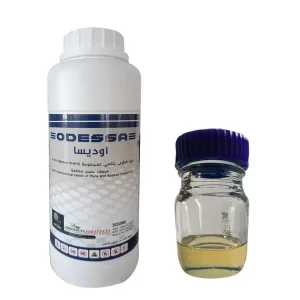
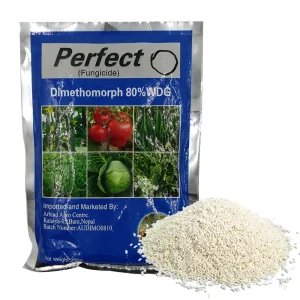
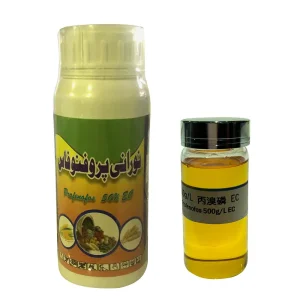
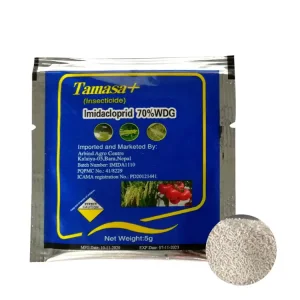
Direct manufacturer supply for cotton boll dehiscence, crop maturity management, weed eradication, and pest resistance.
Understanding the physiological, economic, and chemical dynamics driving modern cotton harvest management.
In modern industrial cotton agronomy (*Gossypium hirsutum*), the physiological phenomenon tracked online and across trade networks as #cottonbollopening represents the single most crucial operational window determining total lint yield, fiber length, color grade, and overall commercial valuation. The opening of the cotton boll—biologically termed boll dehiscence—is a highly complex physiological process involving cell wall degradation along the carpal sutures, regulated by endogenous hormones, heat unit accumulation, and moisture reduction.
As global agricultural supply chains shift toward total mechanization, traditional manual multi-pass cotton picking is being rapidly replaced by single-pass spindle pickers and strippers. This transformation demands absolute uniformity in leaf abscission and synchronous boll opening. B2B agricultural importers, regional distributors, and large-scale farm conglomerates searching for "China #cottonbollopening Quotes & Supplier" require more than simple agrochemical pricing—they require comprehensive chemical intervention strategies that balance maturity acceleration, leaf drop, and lint protection under volatile climatic shifts.
China has solidified its position as the world's primary manufacturing hub for sophisticated Plant Growth Regulators (PGRs) and synergistic harvest aids, such as Ethephon (ethrel), Thidiazuron (TDZ), Diuron, and companion fungicides. As global climate patterns create erratic temperature drops during late-season maturation across Central Asia, LATAM, and Africa, Chinese manufacturers deliver technical-grade (TC) and customized finished formulations (SC, WDG, EC) that safeguard cotton lint against weather-induced discoloration and seed-cotton rotting.
Deep-dive biochemical pathways, abscission layer formation, and synthetic maturation technologies.
Ethephon (2-chloroethylphosphonic acid) penetrates carpel tissue and hydrolyzes into ethylene gas at physiological pH. Ethylene signals cellulase and pectinase enzymes to break down sutures, forcing immediate carpel separation and rapid lint expansion.
Thidiazuron (TDZ) alters auxin transport within petiole tissues, triggering precise leaf abscission zone formation without causing immediate leaf desiccation. Green leaves fall off cleanly, preventing leaf fragment contamination in harvested lint.
Unopened or newly opened bolls are hyper-vulnerable to fungal decay (*B victory*, *Fusarium*, *Alternaria*). Integrating broad-spectrum fungicides such as Picoxystrobin 22.5% SC or Dimethomorph 50% WP protects exposed locks from lint stain.
| Active Ingredient Combination | Formulation Type | Primary Agronomic Objective | Optimal Application Window |
|---|---|---|---|
| Ethephon + Thidiazuron (TDZ) | 50% SC / 540g/L Liquid | Simultaneous boll opening & non-desiccating defoliation | 60-70% natural boll open rate; 14-21 days before harvest |
| TDZ + Diuron | 360g/L SC / 50% WP | Heavy foliage drop & inhibition of secondary regrowth | High soil nitrogen conditions with dense green canopy |
| Gibberellic Acid (GA3) 10% SP | Water Soluble Powder | Early-stage vegetative canopy regulation & boll retention | Early flowering to peak boll setting phases |
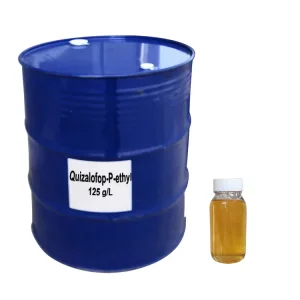
| Quizalofop-P-Ethyl 125g/L EC | Emulsifiable Concentrate | Pre-harvest grassy weed suppression around field edges | Post-emergence up to late canopy closure |
Market breakdown across key global cotton-producing zones reliant on Chinese supply chains.
The global industrial usage of defoliants and maturity enhancers follows regional climatic constraints and mechanical adoption rates. Chinese chemical manufacturers serve as the primary backbone of active ingredient (AI) synthesis for cotton production hubs globally:
Innovations in nano-emulsions, drift-reduction technology, and intelligent tank-mixing stability.
Transitioning technical active ingredients into Suspension Concentrates (SC) and Micro-Emulsions eliminates solvent toxicity, enhances rainwater fastness, and optimizes leaf cuticle penetration for maximum boll opening speed.
Modern Chinese plant growth regulators are optimized for low-volume ultra-aerial spray systems (UAV drones). Advanced anti-drift surfactant packages ensure hyper-targeted deposition even across high-density field canopies.
Combining defoliation agents with targeted herbicides like Quizalofop-P-Ethyl or Trifluralin suppresses late-season weed flushes, eliminating green plant material that lowers mechanical picker performance.
Actionable crop management programs for field agronomists and commercial buyers.
When preparing cotton fields for mechanical harvesters, the presence of late-season green leaves creates sticky leaf stain upon lint extraction. Agronomists recommend applying Thidiazuron 500g/L SC combined with Ethephon 720g/L SL when natural boll opening reaches 65%. Leaf drop occurs within 7-10 days, followed by total boll opening within 14 days, yielding crisp, white seed-cotton with low trash content.
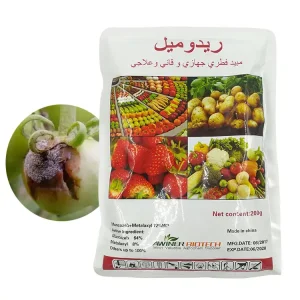
During late boll development, pest vectors such as whiteflies, aphids, and bollworms excrete honeydew, which causes "sticky cotton" and promotes black soot mold. Tank-mixing systemic insecticides like Imidacloprid 75% WDG or Permethrin 0.3% + Cypermethrin EW alongside broad-spectrum protective fungicides (Mancozeb 64% + Metalaxyl 8% WP or Triadimenol 25% EC) preserves lint purity through the final #cottonbollopening stage.
Your reliable chemical manufacturing partner for high-performance agrochemicals.
Awiner Biotech was founded in 2006, located in north of China-Shijiazhuang, Hebei Province. The city is close to our capital Beijing, transportation is convenient. Awiner Biotech is committed to research, produce and distribute agrochemicals, mainly deal with pesticides, herbicides, fungicides, plant growth regulator and public health pesticides.
Up to now, we have won loyal commercial customers and distribution partners across:
Our countries participating in international agrochemical exhibitions include Turkey, Iran, Pakistan, Nigeria, Russia, Cambodia, Malaysia, Uzbekistan, etc.
We regularly visit customer countries to conduct market inspections, analyze local agronomic issues, optimize product usage, and host client delegations at our HQ.
Rigorous quality assurance, FAO/WHO specifications, and seamless export logistics.
Navigating global agrochemical registration and regulatory standards demands strict quality assurance protocols. Awiner Biotech backs all bulk shipments and finished formulations with comprehensive regulatory dossiers, including:
Direct answers to technical search queries and B2B procurement questions regarding #cottonbollopening.
Explore our full spectrum of registered plant protection products, herbicides, insecticides, and public health chemicals.
 Awiner Biotech