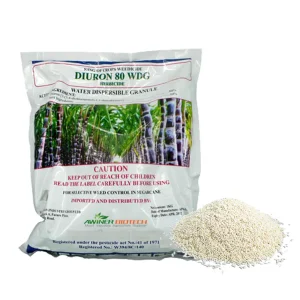
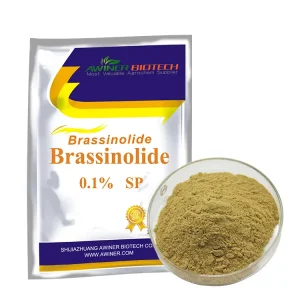
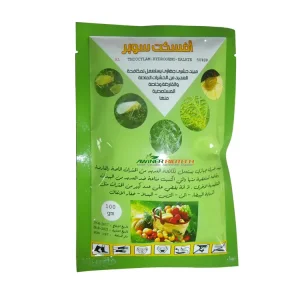
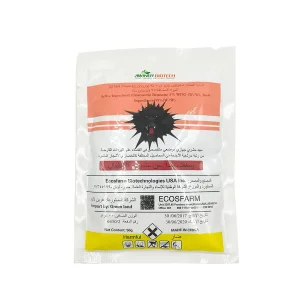
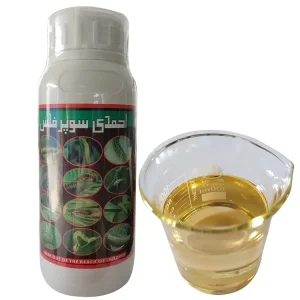
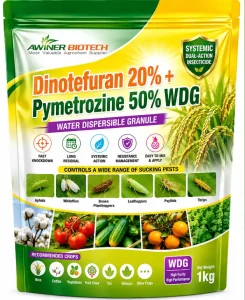
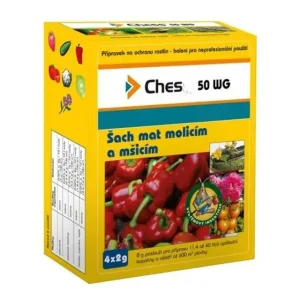
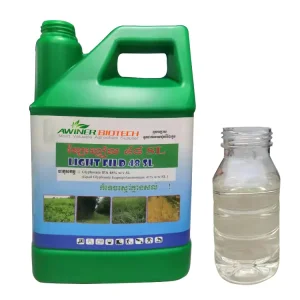
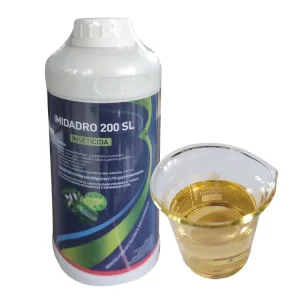
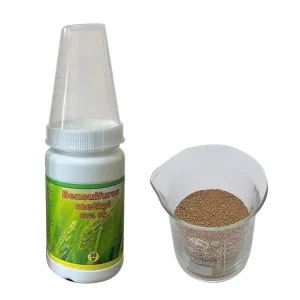
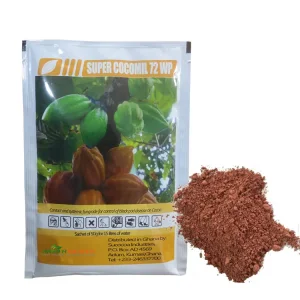
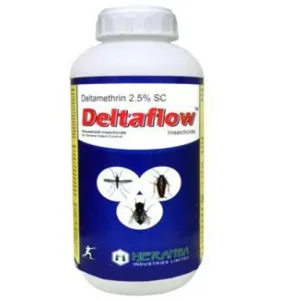
Explore our high-efficiency agricultural formulations manufactured in compliance with international FAO/WHO standards. Direct factory quotes available for commercial orchards, distributors, and bulk importers.
In global pomology and viticulture, leaf-eating caterpillars, wood-boring larvae, and fruit-penetrating worms pose an existential threat to commercial yields. Insect pests such as the codling moth (Cydia pomonella), peach fruit borer (Carposina sasakii), oriental fruit moth (Grapholita molesta), citrus leafminer (Phyllocnistis citrella), and various armyworms (Spodoptera frugiperda) account for over $22 billion annually in lost harvestable crop value worldwide. Achieving precision control while maintaining environmental stewardship requires high-grade insecticide active ingredients (AI) and state-of-the-art co-formulation technology.
As international commercial farming shifts toward Integrated Pest Management (IPM) protocols, global importers and agrochemical distributors are seeking top-tier direct-manufacturing partners in China. China’s agrochemical manufacturing infrastructure has evolved into a high-precision, highly regulated chemical synthesis hub that delivers cost efficiency, reliable supply chains, and specialized crop-protection products matched to regional regulatory demands.
Information Gain Metric: Modern fruit tree worm killers are no longer single-active broad-spectrum nerve poisons. Leading Chinese chemical plants specialize in dual-mode-of-action synergistic solutions—combining rapid knock-down pyrethroids or neonicotinoids with long-lasting semi-synthetic avermectin derivatives (such as Emamectin Benzoate WDG) to completely neutralize both egg hatching (ovicidal) and larval feeding (larvicidal) stages.
Selecting the optimal fruit tree worm killer formula requires a technical understanding of pest insect neurology, crop physiology, and formulation stability. Chinese chemical factories produce diverse chemical classes engineered for maximum biological activity and crop safety.
A macrocyclic lactone derivative derived from the fermentation of Streptomyces avermitilis. It binds to gamma-aminobutyric acid (GABA) receptors and glutamate-gated chloride channels in nerve cells, disrupting nerve impulses and causing rapid paralysis in Lepidoptera caterpillars. Highly effective at low dose rates in Water Dispersible Granule (WDG) formulations.
A nereistoxin analogue insecticide that acts as a nicotinic acetylcholine receptor blocker. It provides contact, stomach poison, and systemic systemic action against resistant armyworms, thrips, and leaf miners, making it an indispensable tool for resistance rotation programs.
Compounds like Cypermethrin and Permethrin act on axonal sodium channels. They deliver instantaneous knock-down of adult moths, beetles, and exposed worms. When co-formulated with Emamectin Benzoate or Acetamiprid, they offer multi-stage knock-down plus persistent residual protection.
| Formulation Type | Physical State | Key Advantages | Target Application |
|---|---|---|---|
| WDG (Water Dispersible Granule) | Solid micro-granules | Zero dust hazard, high AI concentration (up to 30%), excellent shelf stability, rainfastness. | High-density fruit orchards, aerial drone spraying. |
| EC (Emulsifiable Concentrate) | Liquid solvent-based | Rapid leaf cuticle penetration, superior spreading, immediate knock-down action. | Dense canopy trees, citrus leafminer outbreaks. |
| SP (Soluble Powder) | Water-soluble powder | 100% water solubility, leaves no visible residue on harvesting fruit, eco-friendly transit profile. | Export-grade apple, pear, and peach orchards near harvest. |
| SL (Soluble Liquid) | Liquid aqueous solution | Complete systemic uptake, easy tank mixing, optimal for sap-sucking & leaf-eating insect complexes. | Soil drench or foliar spray for young saplings & nursery stock. |
China's chemical synthesis and formulation ecosystem has transitioned into a smart, automated Industry 4.0 operational model. Manufacturers based in key chemical corridors such as Hebei (Shijiazhuang), Jiangsu, and Shandong leverage vertically integrated raw material supply chains to ensure price stability and consistent chemical efficacy for international clients.
State-of-the-art production plants utilize fully enclosed automated synthesis reactors and ultra-fine jet mills. This ensures particle sizes in WDG formulations are reduced to under 5 microns, maximizing spray coverage, suspension rate (>90%), and biological activity on fruit leaf surfaces.
Every commercial batch undergoes stringent High-Performance Liquid Chromatography (HPLC) and Gas Chromatography (GC) testing. Products strictly comply with FAO/WHO specifications, accompanied by complete Certificate of Analysis (COA), Safety Data Sheets (MSDS), and GLP-certified registration Dossiers for overseas regulatory authorities.
In-house chemical synthesis of technical grade (TC) materials minimizes dependence on third-party supply chains, keeping B2B wholesale prices stable despite market fluctuations.
Capabilities spanning 100ml to 1000L packaging formats—including fluorinated HDPE bottles, aluminum foil sachets, water-soluble bags, and customized multi-language labeling.
Proximity to major shipping hubs (Tianjin, Qingdao, Shanghai) enables rapid containerized transit, streamlined customs clearance, and reliable delivery to over 40 global markets.
Navigating agrochemical purchasing requires evaluating parameters beyond simple unit price per kilogram or liter. B2B buyers must account for active purity, surfactant pack efficiency, freight class safety, and regulatory compliance.
For international distributors ordering 20ft/40ft FCL shipments, combining different formulations into single consolidated shipments optimizes container volume and reduces freight overhead per unit.
Direct communication with China-based production engineers allows customized active ingredient concentrations tailored specifically to localized pest resistance profiles in your region.
Effective pest eradication requires matching formulation features with tree species architecture, climate conditions, and specific pest life cycles. Below are verified application protocols developed through extensive global field surveys.
Primary Targets: Codling Moth (Cydia pomonella), Leafroller larvae.
Recommended Solution: Emamectin Benzoate 30% WDG combined with ovicidal sprays during early egg laying.
Timing: Pre-bloom spray and post-petal fall window to prevent worm penetration into fruit cores.
Primary Targets: Citrus Leafminer, Aphids, Whiteflies, Thrips.
Recommended Solution: Thiocyclam-hydrogenoxalate + Acetamiprid SP or Dinotefuran + Pymetrozine WDG.
Timing: Apply during spring flush when young shoots emerge to protect tender foliage from leaf-mining damage.
Primary Targets: Peach Fruit Borer (Carposina sasakii), Oriental Fruit Moth.
Recommended Solution: Emamectin Benzoate 2% EC + Cypermethrin 10% EC blend.
Timing: Target adult emergence peaks and initial larval hatching prior to fruit flesh entry.
Anti-Resistance Protocol (FRAC/IRAC Guidelines): To prevent worms from developing resistance, rotate active ingredient mode-of-action groups (e.g., alternating Group 6 Avermectins with Group 14 Nereistoxin analogues or Group 4A Neonicotinoids) every 2-3 spray cycles.
Awiner Biotech was founded in 2006, located in the north of China - Shijiazhuang, Hebei Province. The city is close to our capital Beijing, with convenient transportation and logistics networks. Awiner Biotech is committed to research, production, and distribution of high-performance agrochemicals, specializing in insecticides, herbicides, fungicides, plant growth regulators (PGR), and public health pesticides.
With state-of-the-art chemical synthesis labs and automated formulation lines, Awiner Biotech provides tailored agrochemical solutions for large-scale agricultural operations, international distributors, and agrochemical importers worldwide.
Up to now, we have won customers from Iraq, Iran, Afghanistan, Pakistan, India, Libya, Syria, Turkey, Yemen, Ukraine, Russia, Kazakhstan, Uzbekistan, Chile, Bolivia, Mexico, Brazil, Paraguay, Nigeria, Djibouti, Rwanda, Somalia, Malaysia, Cambodia, Nepal, Myanmar and beyond.
Exhibitions & Field Surveys: We regularly participate in agrochemical trade exhibitions across Turkey, Iran, Pakistan, Nigeria, Russia, Cambodia, Malaysia, and Uzbekistan. We conduct on-site market inspections, analyze pest profiles, and provide direct technical problem-solving for localized crop challenges.
Explore our full array of crop protection chemicals including herbicides, public health insecticides, plant growth regulators, and fungicides engineered for commercial agriculture.
 Awiner Biotech