 Awiner Biotech
High-purity technical grade and optimized end-use formulations for commercial vegetable and cash crop protection.
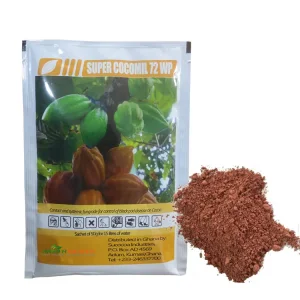
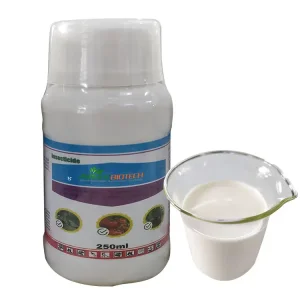
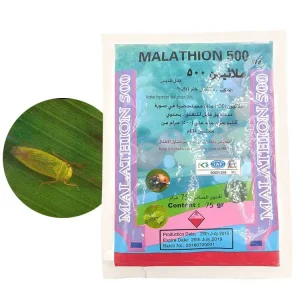
An analytical breakdown of economic insect vectors threatening Solanaceae crops and the demand for high-efficiency insecticides from China.
Commercial cultivation of pepper crops (including Capsicum annuum, bell peppers, chili peppers, and paprika variants) represents a multi-billion-dollar global agricultural domain. However, capsicum farming faces systemic yield threats from specialized piercer-sucker pests and lepidopteran larvae. Insects such as Western Flower Thrips (Frankliniella occidentalis), Green Peach Aphids (Myzus persicae), Whiteflies (Bemisia tabaci), and Spider Mites (Tetranychus urticae) not only inflict primary physical damage to foliage and fruit stems but also act as vectors for devastating viral agents like Chili Leaf Curl Virus (ChiLCV) and Tomato Spotted Wilt Virus (TSWV).
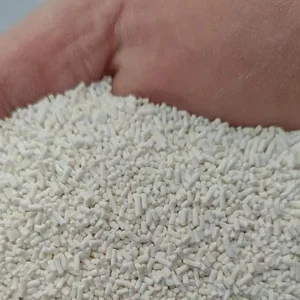
Securing stable crop yields demands robust, broad-spectrum, and systemic insecticide chemistry. Global enterprise procurement directors and agricultural distributors increasingly turn to China's advanced agrochemical chemical manufacturing clusters. Through state-of-the-art chemical synthesis, superior formulation science (such as Water Dispersible Granules [WDG] and Flowable Concentrates for Seed Treatment [FS]), and rigorous Maximum Residue Limit (MRL) compliance, leading Chinese suppliers supply the critical defense matrix required for sustainable pepper farming.
Strategic selection of active ingredients according to the Insecticide Resistance Action Committee (IRAC) classifications.
Primary Chemical Class: Neonicotinoids (IRAC Group 4A)
Key Active: Thiamethoxam (25% WDG, 75% WDG, 35% FS)
Provides systemic xylem mobility, disrupting nicotinic acetylcholine receptors. Rapid anti-feeding response prevents vectoring of viral pathogens in pepper foliage.
Primary Chemical Class: Microbial Disruptors (IRAC Group 11A)
Key Active: Bacillus thuringiensis (Bt kurstaki / israelensis)
Produces delta-endotoxin crystal proteins that dissolve in the alkaline midgut of caterpillars (Beet Armyworm, Pepper Borer), destroying cell membrane integrity without toxic residue.
Primary Chemical Class: Organophosphates & Synergistic Mixtures
Key Active: Dimethoate + DDVP EC / Malathion Tech
Acetylcholinesterase (AChE) inhibitors providing intense contact, stomach, and vapor action against Spider Mites, Horn Snails, and hidden sap-sucking nymphs in dense crop canopies.
| Active Ingredient | Formulation Type | Target Pest Spectrum | Application Rate (a.i./ha) | Safety / PHI Window |
|---|---|---|---|---|
| Thiamethoxam | 25% WDG / 75% WDG | Aphids, Whiteflies, Thrips, Leafhoppers | 30 - 50 g/ha | 7 - 14 Days |
| Bacillus thuringiensis | 16000 IU/mg WP / EC | Helicoverpa armigera, Spodoptera exigua | 500 - 750 g/ha | 1 Day (Organic Suitable) |
| Dimethoate + DDVP | 20% + 20% EC | Spider Mites, Mealybugs, Thrips | 400 - 600 mL/ha | 14 - 21 Days |
| Malathion Technical | 50% EC / 95% TC | Beetles, Sap-sucking Bugs, Scale Insects | 500 - 1000 g/ha | 7 Days |
Key evolutionary vectors shaping high-volume commercial chemical quotes and manufacturing selection globally.
Modern pepper growers are rapidly phasing out dustable powders (DP) and heavy-emulsion concentrates (EC) containing hazardous aromatic solvents. Market demand has pivoted sharply toward Water Dispersible Granules (WDG/DF) and Suspension Concentrates (SC). These advanced solid and liquid formats eliminate dust hazards during mixing, maximize rainfastness, and ensure zero nozzle clogging in automated drip and pivot irrigation systems.
Global buyers across North America, the European Union, and East Asia enforce stringent Maximum Residue Limits (MRLs). B2B buyers must partner with manufacturers whose formulations leave minimal synthetic residues, break down into non-toxic metabolites, and integrate effortlessly into Integrated Pest Management (IPM) regimes that safeguard beneficial pollinators like Bombus terrestris.
Procurement is no longer merely transactional; it is intensely regulatory. Enterprise buyers require factory partners capable of providing complete technical registration packages, including Five-Batch Analysis, GLP Toxicity Reports, Environmental Fate studies, Certificate of Analysis (COA), Safety Data Sheets (SDS), and FAO-standard specification compliance.
Leveraging China's industrial automation, raw material integration, and international logistics efficiency.
China’s chemical manufacturing clusters control the entire synthesis chain—from basic petrochemical cracking to intermediate synthesis (e.g., 2-chloro-5-chloromethylthiazole for Thiamethoxam). This backward integration insulates global buyers from volatile price spikes and guarantees continuous technical supply.
State-of-the-art air-jet milling systems and fluid-bed granulators ensure precise particle size distribution (d90 < 5 microns) for WDG products. High-speed automated bottle filling lines guarantee exact dosing, zero volumetric variation, and hermetic foil sealing to maximize shelf-life stability in tropical destinations.
Strategic manufacturing infrastructure connected to deep-water ports (Tianjin, Qingdao, Shanghai) enables seamless hazardous material (HAZMAT) container shipment. Rapid customs processing and established dangerous goods shipping lanes minimize transit lead times to under 25 days globally.
Optimized field application strategies to maximize efficacy, eliminate pest resistance, and enhance marketable pepper yield.
Primary Objective: Early-stage protection against soil-dwelling nematodes and sucking pests.
Primary Objective: Foliar protection against aphid colonies, thrips, and early fungal leaf spots.
Primary Objective: Controlling lepidopteran fruit borers while boosting plant stress resistance.
Primary Objective: Fast-acting cleanup spray with minimal harvest interval (PHI).
A premier northern China agrochemical manufacturing and research enterprise dedicated to international crop protection excellence.
Awiner Biotech was founded in 2006, located in the north of China—Shijiazhuang, Hebei Province. The city is close to our capital Beijing, with highly convenient logistics and port transportation access. Awiner Biotech is deeply committed to research, production, and international distribution of advanced agrochemicals—mainly dealing with insecticides, herbicides, fungicides, plant growth regulators, and public health pesticides.
Up to now, we have won trusted long-term corporate customers across key agricultural markets, including:
Iraq, Iran, Afghanistan, Pakistan, India, Libya, Syria, Turkey, Yemen, Ukraine, Russia, Kazakhstan, Uzbekistan, Chile, Bolivia, Mexico, Brazil, Paraguay, Nigeria, Djibouti, Rwanda, Somalia, Malaysia, Cambodia, Nepal, Myanmar, and beyond.
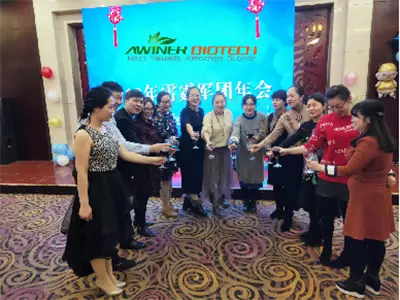
Comprehensive distribution coverage supporting commercial growers across Latin America, the CIS Region, the Middle East, Africa, and Southeast Asia.
Our company actively participates in major global agrochemical trade shows across Turkey, Iran, Pakistan, Nigeria, Russia, Cambodia, Malaysia, Uzbekistan, and other regional hubs.
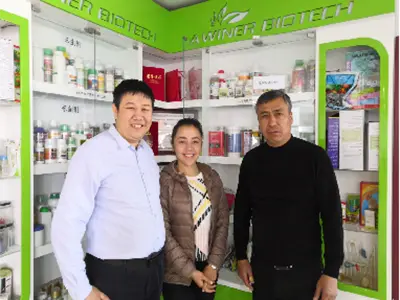
We regularly conduct overseas field market inspections, analyzing local crop conditions, solving application challenges, tracking product efficacy, and hosting client factory visits.
Technical and commercial clarity for agrochemical importers, procurement officers, and crop protection managers.
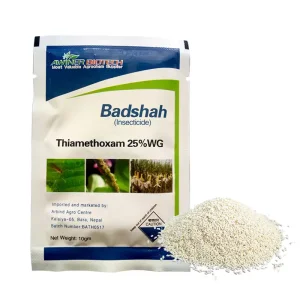
Thiamethoxam 25% WDG (Water Dispersible Granules) offers superior environmental safety, eliminates petroleum solvent phytotoxicity on tender pepper leaves, has zero dust hazard during tank loading, and features longer physical shelf-life stability under tropical storage conditions. Its high water solubility guarantees rapid absorption by root systems and foliage.
We provide full dossier support tailored to destination regulatory bodies (such as Ministry of Agriculture standards). This includes Certificates of Analysis (COA), ICAMA data, MSDS, product specifications, batch lab test records, and GLP toxicological data summaries required to obtain import permits.
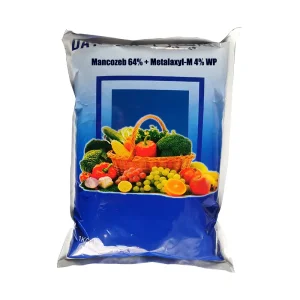
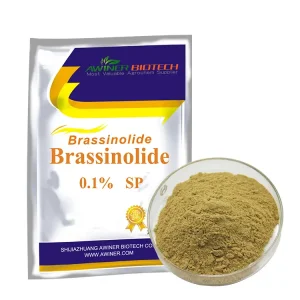
Yes. Thiamethoxam 25% WDG and Dimethoate EC are highly compatible with broad-spectrum fungicides such as Azoxystrobin + Difenoconazole SC or Mancozeb + Metalaxyl-M WP, as well as biostimulants like Brassinolide 0.1% SP. Always perform a jar compatibility test and verify spray tank pH levels (optimal pH 5.5 - 7.0) before field application.
For custom OEM bulk orders, standard MOQ starts at 1,000 L for liquid formulations (EC, SC, FS) and 1,000 kg for solid formulations (WDG, WP, SP). We offer customized retail packaging options ranging from 10g/100g foil sachets to 1L/5L HDPE fluorinated bottles and 200L drums, complete with multi-lingual label design services.
We advocate strict chemical rotation protocols based on IRAC mode-of-action codes. By pairing systemics (Group 4A Neonicotinoids) with biologicals (Group 11A Bacillus thuringiensis) and organophosphates (Group 1B), growers break selection pressure, preventing thrips and whiteflies from developing localized immunity.
Our standard production and quality control lead time is 15-20 days following order confirmation and artwork approval. Proximity to Qingdao and Tianjin ports ensures ocean container dispatch within 5-7 days after factory release.
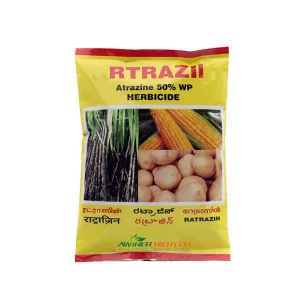
Extensive range of specialized herbicides, fungicides, and growth regulators engineered for commercial farms.