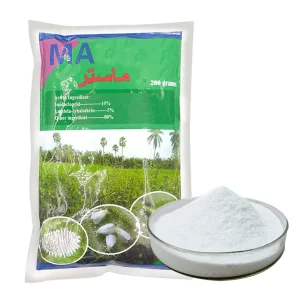
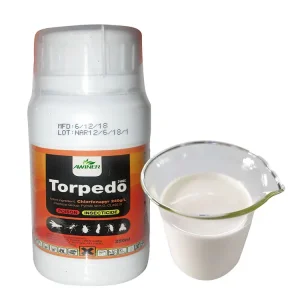
High-purity technical grade and formulated solutions for tomato caterpillar eradication and crop protection
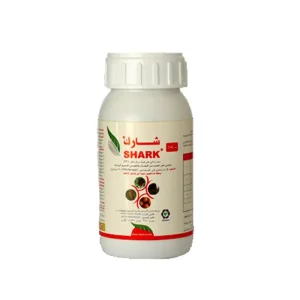
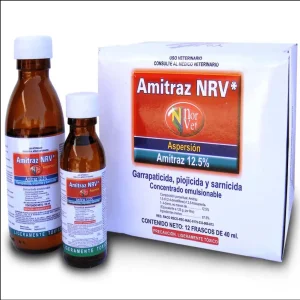
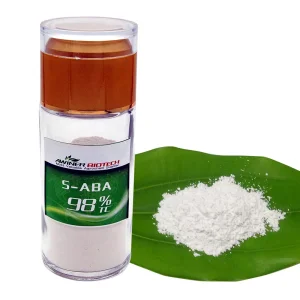
Analyzing pest species, destructive behaviors, and scientific management strategies for commercial agriculture
Tomato crops (*Solanum lycopersicum*) worldwide are continuously threatened by severe lepidopteran pest infestations. Among these, the Tomato Fruitworm (*Helicoverpa armigera*), the Beet Armyworm (*Spodoptera exigua*), and the invasive South American Tomato Pinworm (*Tuta absoluta*) represent the primary biological vectors causing catastrophic yield loss. Left unmanaged, larval feeding damages vegetative foliage, bores into developing green and ripe fruit, induces secondary fungal pathogens, and can result in total economic destruction of commercial open-field and greenhouse operations.
Agronomic Field Intelligence: A single *Helicoverpa armigera* larva can damage up to 15 tomato fruits during its 14-to-21-day larval cycle. Meanwhile, *Tuta absoluta* can mine foliage with up to 100% loss in photosynthetic capacity if population densities exceed 2 larvae per plant during early flowering phases.
Bores directly into tomato fruit, feeding on internal pericarp tissues. High risk of secondary bacterial rot. Highly prone to developing multi-class insecticide resistance without active rotation.
Micro-lepidopteran leafminer capable of attacking all growth stages. Larvae create translucent blotch mines in leaves, stems, and buds, severely compromising crop canopy integrity.
Gregarious early-instar larvae foliage skeletonizers. Rapid life cycles in warmer climates allow population explosions, necessitating fast-acting neurotoxic contact/ingestion insecticides.
Evaluating mode of action, IRAC classification, residual stability, and dosage efficiency
Securing high-efficacy control of tomato caterpillars requires selecting active ingredients with targeted modes of action. Leading chemical categories synthesized and formulated by Chinese agrochemical manufacturers feature distinct biochemical pathways to disrupt pest physiology while mitigating cross-resistance risks.
| Active Ingredient | IRAC Group | Primary Mode of Action | Target Instinct / Speed | Typical Dosage (a.i./ha) | Key Advantage |
|---|---|---|---|---|---|
| Indoxacarb | Group 22A | Voltage-dependent sodium channel blocker | Ingestion & Contact / Rapid cessation of feeding (2-4 hrs) | 30 – 60 g/ha | Low toxicity to non-target beneficial insects; excellent rainfastness. |
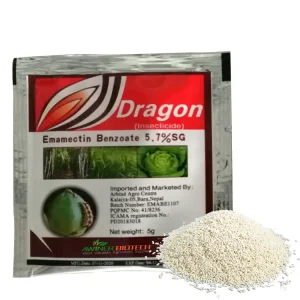
| Emamectin Benzoate | Group 6 | Glutamate-gated chloride channel allosteric modulator | Ingestion / Paralysis within 1-2 hours | 5 – 15 g/ha | Translaminar action; penetrates leaf tissue to kill leafminers (*Tuta*). |
| Chlorfenapyr | Group 13 | Uncoupler of oxidative phosphorylation (mitochondrial ATP disruption) | Ingestion / Slow to moderate (24 hrs) | 100 – 200 g/ha | No known cross-resistance to organophosphates or pyrethroids. |
| Lambda-Cyhalothrin | Group 3A | Sodium channel modulator (Synthetic Pyrethroid) | Contact & Ingestion / Instant knockdown | 15 – 30 g/ha | Strong repellent effect, fast acting, highly cost-effective bulk solution. |
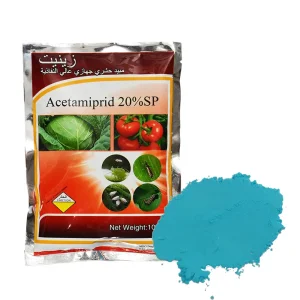
| Acetamiprid | Group 4A | Nicotinic acetylcholine receptor (nAChR) competitive modulator | Systemic & Contact / Rapid activity | 20 – 40 g/ha | Controls sucking insect co-infections (Aphids/Whiteflies) alongside caterpillars. |
China's modern agrochemical sector has transitioned from traditional emulsifiable concentrates (EC) with high VOC solvent loads toward eco-friendly, highly bioavailable formulation types:
Why chemical buyers source tomato pesticides directly from Shijiazhuang, Hebei chemical industrial clusters
China is the world's largest supplier of technical active ingredients (TC) and finished agrochemical formulations. Situated in Northern China, Shijiazhuang, Hebei Province acts as a major chemical synthesis hub, offering direct access to key intermediate raw materials, rapid logistics through Tianjin and Qingdao ports, and cutting-edge industrial automation.
Awiner Biotech Industry Integration: Established in 2006 near Beijing, Awiner Biotech leverages the robust raw material integration of Hebei’s agrochemical infrastructure to deliver stable pricing, certified batch-to-batch quality, and scalable production schedules.

Understanding cost structures, pricing dynamics, FOB/CIF breakdown, and custom contract manufacturing
B2B importers, commercial distributor networks, and government agricultural bodies must navigate multiple variable pricing factors when procuring tomato caterpillar pesticides from China. Understanding these elements ensures optimal cost-per-hectare efficiency for end-user farmers while protecting distributor margins.
Fluctuations in crude technical chemical prices (e.g., Indoxacarb 95% TC vs Emamectin 95% TC) directly dictate the baseline cost per metric ton. Direct raw material access mitigates volatility.
Small-retail customized packaging (e.g., 50g sachet with custom anti-counterfeit holographic foil) incurs higher labor/material overhead compared to 200L HDPE bulk drums.
Liquid EC/SC formulations containing flammable solvents fall under IMDG Dangerous Goods (DG) Class 3 or Class 9, influencing ocean freight surcharges compared to solid WDG products.
| Product Formulation Name | Standard Packaging | Minimum Order (MOQ) | FOB Indicative Price Range (USD) | Lead Time |
|---|---|---|---|---|
| Indoxacarb 30% WDG | 100g Foil Bag / 1kg Box | 500 kg | $32.00 – $45.00 / kg | 15 – 20 Days |
| Emamectin Benzoate 5% WDG | 100g Sachet / 500g Drum | 300 kg | $28.00 – $38.00 / kg | 14 – 18 Days |
| Chlorfenapyr 360g/L SC | 1L Bottle / 20L HDPE Drum | 1,000 Liters | $14.50 – $19.50 / Liter | 15 – 22 Days |
| Lambda-Cyhalothrin 5% EC | 1L HDPE Bottle / 200L Drum | 2,000 Liters | $4.20 – $6.80 / Liter | 10 – 14 Days |
| Imidacloprid 15% + Lambda 5% WP | 100g Bag / 25kg Fiber Drum | 1,000 kg | $7.50 – $11.00 / kg | 15 – 20 Days |
*Note: Actual quotes fluctuate based on global petrochemical feedstocks, exchange rates, and batch volume requirements. Contact our trade desk for formal proforma invoicing.
Empowering global distributors with FAO/WHO specifications, ICAMA certificates, and registration support
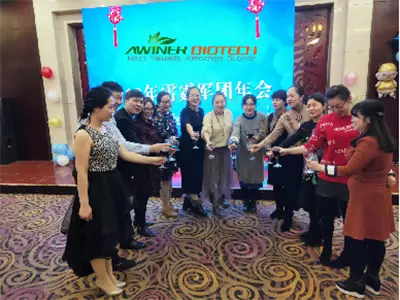
Securing national ministry of agriculture registration approval is often the single greatest bottleneck for agrochemical importers. Premium Chinese suppliers like Awiner Biotech provide end-to-end regulatory support dossiers compliant with FAO/WHO standards and target country pesticide control boards.
Optimizing foliar spray techniques, tank mixing rules, Maximum Residue Limits (MRLs), and resistance prevention
Deploying insecticides for tomato caterpillars requires precise field agronomy. Improper application leads to residue violations, pest resurgence, and rapid development of field resistance.
Target early instar larvae (1st to 3rd instar) before caterpillars bore into tomato fruit skin. Spray during early morning or late afternoon when sunlight intensity is reduced to minimize photo-degradation.
Ensure thorough spray coverage on leaf undersides and cluster zones. Use 400 – 600 L/ha water volume for ground spray rigs, or 30 – 50 L/ha for modern drone application with specialized non-ionic penetrants.
Rotate chemicals across different IRAC mode of action groups. Never apply consecutive sprays of the same active group. Combine Indoxacarb (Group 22A) with Emamectin (Group 6) in multi-generational pest cycles.
Export Residue Warning (MRL Compliance): When supplying fresh processing tomatoes to global markets (EU, USA, Japan), pay strict attention to Pre-Harvest Intervals (PHI). Indoxacarb typically requires a 3-day PHI, whereas Chlorfenapyr requires 7-to-14 days depending on import tolerance thresholds.
Biological alternatives, smart precision farming, and ultra-low-dose sustainable formulations
The global crop protection landscape is shifting rapidly toward lower carbon footprints and reduced chemical load per hectare. Chinese manufacturers are pioneering dynamic technologies to meet green agricultural mandates:
Expert answers addressing buying intent, manufacturing capabilities, and field application queries
Indoxacarb (IRAC 22A) blocks sodium channels, causing fast feeding cessation without immediate dropping, protecting plant tissue. Emamectin Benzoate (IRAC 6) exhibits deep translaminar movement, effectively targeting larvae hidden inside leaf mines (*Tuta absoluta*) and fruit crowns. Rotating these two actives breaks multi-generational resistance cycles effectively.
Awiner Biotech operates ISO-9001 certified manufacturing facilities in Hebei. Every batch undergoes mandatory HPLC/GC purity testing, particle size distribution analysis (for WDG/SC), emulsification stability tests, and accelerated thermal storage testing before receiving Certificate of Analysis (COA) sign-off for shipment.
For standard bulk drums (200L or 25kg drums), the MOQ is typically 500kg/L. For custom-printed retail packaging (e.g., 100g custom foil sachets or 1L printed bottles), MOQs range between 1,000 to 3,000 units depending on bottle shape and label printing complexity.
Yes. We supply comprehensive registration packages, including official ICAMA certificates, COA, MSDS, product specifications, toxicological study summaries, and letter of authorization (LOA) to support clients across Latin America, Africa, the Middle East, CIS regions, and Southeast Asia.
Standard manufacturing lead times are 14–21 days post-deposit confirmation and label artwork approval. Ocean freight times depend on destination ports: Southeast Asia (7-10 days), Middle East (18-25 days), South America (30-40 days), Africa (25-35 days).
Complete product spectrum: High-performance crop protection chemicals and vector control products
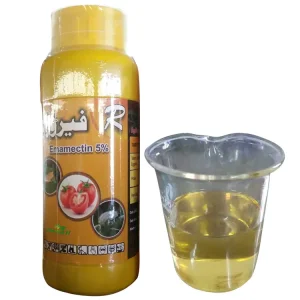
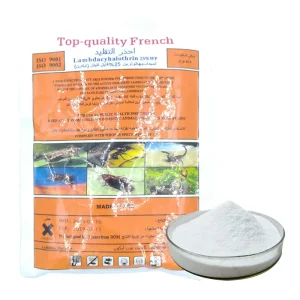
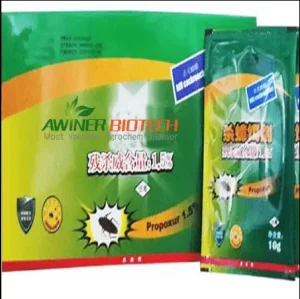
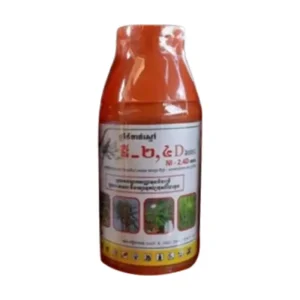
 Awiner Biotech