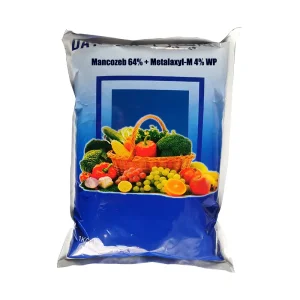
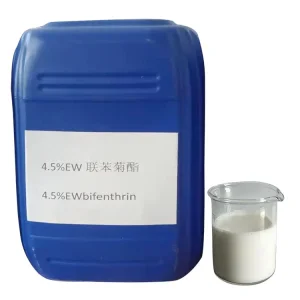
Direct-from-factory formulations engineered for agricultural crop protection, public health vectors, and municipal rodent eradication programs.
Understanding the global commercial scale of rodent damage, vector-borne epidemiology, and the imperative role of high-purity chemical manufacturing from China.
Rodent pests consume and contaminate over 280 million tons of grain annually worldwide—enough to feed 200 million people. In major grain-producing regions, unchecked infestations of Rattus norvegicus, Rattus rattus, and Mus musculus cause pre-harvest field loss exceeding 15% in rice, sugarcane, corn, and cereal crops.
Rodents carry over 60 zoonotic pathogens, including Leptospirosis, Hantavirus, Plague, and Murine Typhus. Effective urban and industrial pest control relies on high-efficacy chemical barriers, acute rodenticides, and long-acting anticoagulant baits to neutralize vectors before outbreaks occur.
Rodent gnawing behavior targets electrical cabling, fiber optics, dynamic insulation, and storage facilities, triggering industrial fires and equipment downtime. Specialized commercial manufacturing provides weather-resistant, highly palatable bait block formulations that maintain field integrity under high humidity.
Founded in 2006, Awiner Biotech is strategically located in Shijiazhuang, Hebei Province—the core agro-chemical manufacturing hub of Northern China, positioned adjacent to China's capital, Beijing. Our strategic geographic footprint allows seamless export logistics via major maritime container ports.
Awiner Biotech is dedicated to advanced research, chemical synthesis, formulation processing, and global market distribution. Our extensive portfolio encompasses high-performance insecticides, public health rodenticides, selective herbicides, broad-spectrum fungicides, and specialized plant growth regulators (PGR).
Up to now, we have won trusted long-term partnerships in: Iraq, Iran, Afghanistan, Pakistan, India, Libya, Syria, Turkey, Yemen, Ukraine, Russia, Kazakhstan, Uzbekistan, Chile, Bolivia, Mexico, Brazil, Paraguay, Nigeria, Djibouti, Rwanda, Somalia, Malaysia, Cambodia, Nepal, Myanmar, and beyond.
A comprehensive review of anticoagulant mechanisms, acute active agents, physical bait matrices, and resistance management frameworks engineered by Chinese factories.
| Active Ingredient / Mode | Chemical Class | Target Species | Formulation Matrix | Field Palatability & Bio-Safety |
|---|---|---|---|---|
| Brodifacoum (0.005%) | 2nd Gen Anticoagulant | R. norvegicus, R. rattus, M. musculus | Wax Block, Grain Pellets, Tracking Powder | Single-feed lethality. Contains Denatonium Benzoate (bittering agent) to prevent human accidental ingestion. |
| Bromadiolone (0.005%) | 2nd Gen Anticoagulant | Field Rats, Roof Rats, House Mice | Extruded Wax Blocks, Liquid Baits, Ready-to-Use Granules | Highly effective in municipal sewer networks; slow-acting action (3-5 days) avoids bait shyness among colonies. |
| Diphacinone / Diphacinone Na | 1st Gen Indandione | Agricultural Field Rodents | Concentrated Powders, Impregnated Cereal Baits | Multiple-feed anticoagulant; highly effective in large-scale crop protection programs with low eco-toxicity persistency. |
| Zinc Phosphide (80% TC, 2% Bait) | Acute Inorganic Toxicant | Voles, Ground Squirrels, Field Rats | Coated Grain Baits, Pellets | Reacts with stomach acid to produce phosphine gas. Used for emergency knockdown of massive field outbreaks. |
| Fipronil 0.05% GR | Phenylpyrazole Insecticide/Acaricide | Ectoparasites (Fleas, Ticks, Mites) on Rodents | Micro-Granules (GR) | Applied in tandem with baiting to break the vector cycle by eradicating disease-carrying fleas harbored by rat populations. |
Second-generation anticoagulant rodenticides (SGARs) function by competitively inhibiting the enzyme Vitamin K1 epoxide reductase (VKOR). This disruption halts the regeneration of active Vitamin K1, blocking the synthesis of essential blood-clotting factors (Factors II, VII, IX, and X) in the rodent's liver. Death occurs naturally and painlessly from internal hemorrhaging 3 to 7 days post-ingestion, preventing the psychological phenomenon of bait shyness within social rodent hierarchies.
Chinese manufacturing facilities utilize hot-extrusion paraffin wax blending processes. By incorporating food-grade refined grains, aromatic attractants, and thermal-stable binders, our wax blocks withstand environmental moisture, rain, high humidity, and temperature fluctuations from -15°C to 55°C without mold degradation or loss of structural integrity in sewer systems and tropical field crops.
Effective rodent control must operate alongside comprehensive agricultural protection. Controlling weeds, fungal pathogens, and insect vectors preserves structural bait integrity and safeguards global food security.
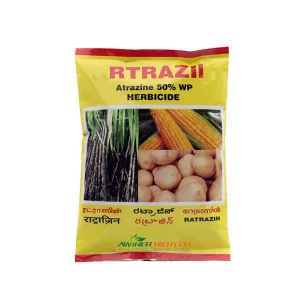
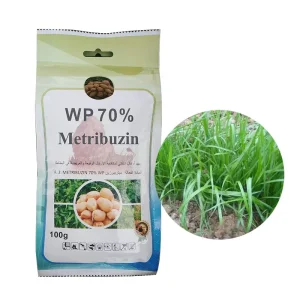
Overgrown agricultural weeds create natural shelter and breeding micro-habitats for wild rodent populations. Utilizing systemic selective herbicides like Metribuzin 95% TC / 400 SC and Atrazine eliminates weed canopies in maize, sugarcane, and potato crops, forcing rodents out of fields and increasing their interaction with bait stations.
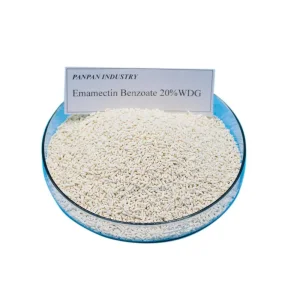
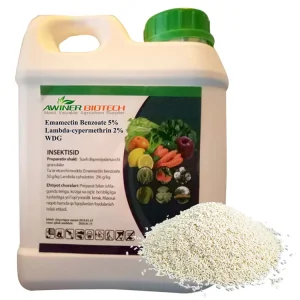
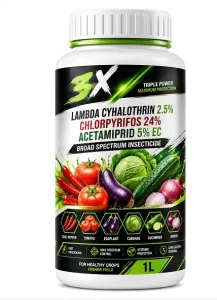
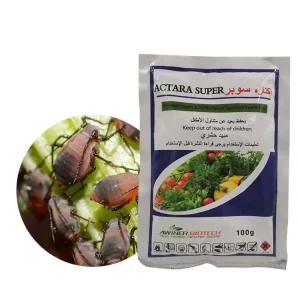
Grain storage facilities targeted by rodents are simultaneously vulnerable to destructive insect vectors. Deploying broad-spectrum combinations such as Lambda-Cyhalothrin + Chlorpyrifos + Acetamiprid EC or Emamectin Benzoate 5% WDG prevents secondary pest infestations that degrade grain quality and reduce bait attraction.
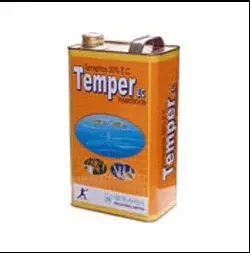
Municipal vector control demands targeted residual applications. Formulations like Azamethiphos 1% GR and Temephos 1% SG eradicate fly and mosquito larvae in breeding water near food factories and municipal waste dumps, supporting comprehensive sanitary pest management.
Tailored chemical protocols engineered to combat localized climate conditions, species distribution, and municipal compliance standards worldwide.
Strict hygiene mandates in food processing plants prohibit loose powder or non-contained toxic agents. Implementation requires tampered-resistant bait stations containing high-density paraffin wax blocks anchored along perimeter fence lines at 10-15 meter intervals.
Subterranean sewer systems house resilient populations of Norway Rats (Rattus norvegicus). Mold-resistant, center-drilled wax blocks suspended via stainless steel wire above water lines ensure continuous feeding access without washing away during heavy surges.
In large-scale rice, sugarcane, and corn plantations across Southeast Asia and Latin America, broadcast applications of cereal-based Bromadiolone or Diphacinone granules pre-planting drastically reduce burrowing rodent density prior to crop germination.
How AI-integrated pest monitoring, microencapsulation chemistry, and genomic resistance profiling are shaping the future of industrial vector management.
Integration of infrared sensor-enabled bait stations with cloud analytics. Smart sensors track rodent entry, feed consumption, and movement patterns in real-time, sending automated notifications to pest control technicians to optimize bait replacement schedules.
Advanced microencapsulation technology shields active chemical compounds within polymeric shells. This masks unpleasant chemical odors, prevents premature oxidative degradation, and dramatically increases bait consumption rates among bait-shy rodent colonies.
To counter emerging VKORC1 gene mutations causing anticoagulant resistance in Europe and North America, Chinese chemical R&D is focusing on dual-action synergistic formulations combining metabolic inhibitors with non-anticoagulant neuro-toxic agents.
Awiner Biotech provides comprehensive manufacturing support for global distributors, multinational brands, and governmental tender procurements.
Tailored active ingredient concentrations (e.g., Brodifacoum 0.0025% to 0.01%), custom colorants, and proprietary fragrance profiles tailored to target regional rodent preferences.
Complete packaging customization ranging from 25g sachets, 100g retail boxes, 1kg plastic pails, to 25kg bulk industrial drums with multi-language GHS warning labels.
Provision of full FAO/WHO compliance dossiers, Certificate of Analysis (COA), Material Safety Data Sheets (MSDS), ICAMA documentation, and GLP toxicity reports for smooth registration.
Hazardous material (HAZMAT) packaging compliance, dangerous goods (DG) sea-freight containerization, and fast dispatch from northern China ports directly to world destinations.
Expert answers regarding active ingredient selection, safety protocols, MOQ, regulatory support, and resistance management.
Explore our full line of public health pest control granules, systemic insecticides, selective crop herbicides, and growth regulators.
 Awiner Biotech