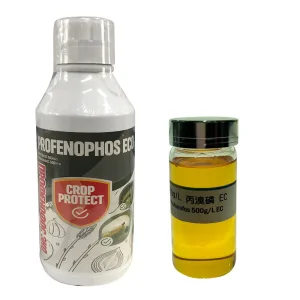
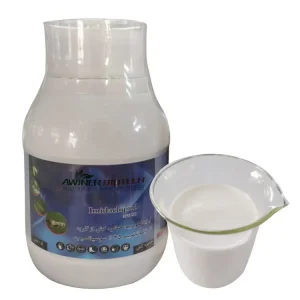
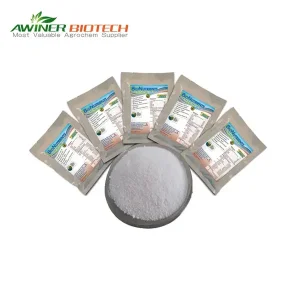
Enterprise-Grade Formulations Engineered for Global Field Efficiency & Crop Management
Understanding the Mechanics of Industrial Uniform Defoliation in Modern Mechanical Agriculture
In modern industrial agriculture, particularly within large-scale commercial cotton, pulse, and seed production, achieving synchronized crop maturity is a pivotal economic metric. The concept of #uniformdefoliation represents not merely leaf drop, but a sophisticated physiological management technique designed to optimize harvest timing, eliminate green trash contamination, reduce fiber staining, and accelerate high-speed mechanical stripping or picking operations.
China has established itself as the global epicenter for advanced chemical synthesis and formulation of agricultural defoliants, crop desiccants, and harvest aids. Through persistent chemical engineering innovation, Chinese manufacturing hubs provide global agricultural enterprises with reliable, highly stable bio-chemical solutions tailored to diverse climatic zones—from the hyper-arid cotton belts of Central Asia to the humid commercial agricultural zones of South America.
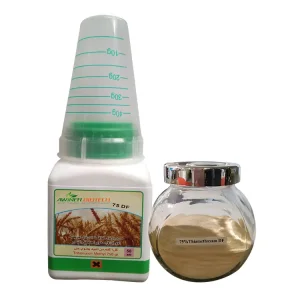
Information Gain Key Takeaway: Modern uniform defoliation leverages dual-action bio-chemical pathways. By combining synthetic hormonal leaf-abscission stimulants (such as Thidiazuron) with hormonal ethylene generators (such as Ethephon) or enzymatic contact cell disruptors, growers can achieve up to 98% leaf drop within 10 to 14 days, reducing mechanical harvester fuel consumption by over 22% while boosting lint quality grade by up to two tiers.
As large-scale farming entities migrate toward full mechanization, demand for high-purity, fast-acting defoliants has surged. Chinese chemical enterprises, backed by comprehensive raw material integration, offer uncompromised batch-to-batch consistency, advanced emulsifiable concentrate (EC), water dispersible granule (WDG), and suspension concentrate (SC) formulations that withstand variable field water hardness and low-volume aerial application via unmanned aerial vehicles (UAVs).
Addressing Bottlenecks in Mechanical Harvesting, Yield Optimization, and Chemical Stability
Green leaves caught in mechanical cotton harvesters break into micro-fragments that stain lint and cause spinning mill penalties. Chemical defoliation forces complete petiolar abscission prior to picking.
Modern broadacre application increasingly relies on agricultural drones. Formulations must exhibit anti-evaporation properties, micro-droplet retention, and zero-clogging solubility in ultra-low volume (ULV) spray rigs.
Uniform defoliation works in tandem with accelerated boll dehiscence. Synergistic tank-mixes drive fast canopy breakdown, exposing lower bolls to maximum sunlight and heat accumulation.
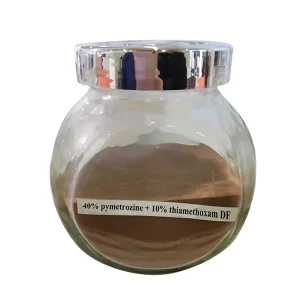
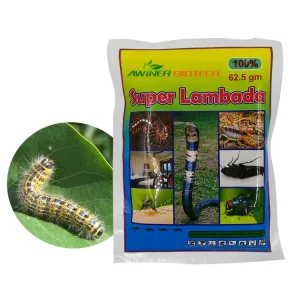
Achieving optimal crop yield requires a multi-faceted approach combining defoliation with broad-spectrum pest management and fungal control. Crop canopy opening allows late-season applications of active ingredients such as Lambda-cyhalothrin 15%WP, Pymetrozine + Thiamethoxam, and selective acaricides for resistant spider mite suppression to penetrate deep into the lower leaf stem zone, eradicating lingering vectors before harvest.
Next-Generation Biochemical Mechanisms Driving Uniform Defoliation
The biochemical pathway of defoliation involves inducing an artificial senescence phase in targeted foliar zones. Chinese chemical research facilities have refined active ingredients to control the precise balance between auxin depletion and ethylene synthesis within the leaf pulvinus tissue.
When high-purity chemical defoliants are applied, pectinase and cellulase enzyme activities increase dramatically at the abscission zone, dissolving the middle lamella while keeping the plant's main xylem intact. This prevents freezing or "leaf sticking"—a critical failure mode where foliage dies while remaining firmly attached to the branch.
Surfactant-enhanced active ingredients penetrate thick cuticular wax layers. Auxiliary adjuvants optimize systemic translocation to pulvinus tissues.
Auxin flow from the blade stops; ethylene biosynthesis spikes. Cell walls in the petiolar joint begin self-digestion, creating a natural fracture line.
Leaves drop cleanly under light wind. Solar thermal exposure accelerates boll splitting, achieving >95% uniform green foliage removal.
Awiner Biotech: Manufacturing Excellence and Scientific Innovation Since 2006
Awiner Biotech was founded in 2006, located in the northern industrial heartland of China—Shijiazhuang, Hebei Province. Situated in close proximity to China's capital, Beijing, our facility benefits from excellent logistics infrastructure, high-speed rail connectivity, and direct ocean access via Tianjin Port.
Awiner Biotech is dedicated to the rigorous research, formulation synthesis, and global distribution of advanced agrochemicals. Our comprehensive product portfolio spans high-potency pesticides, selective herbicides, broad-spectrum fungicides, plant growth regulators (PGRs), uniform defoliants, and specialized public health pesticides engineered for demanding international markets.
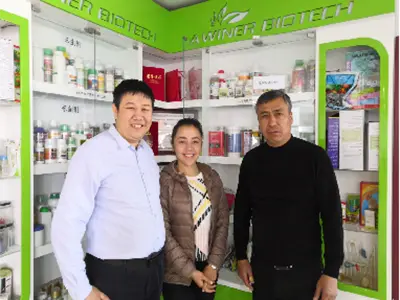
Up to now, Awiner Biotech has established solid commercial partnerships and won trusted customers across more than 25 key agricultural nations, including:
Our global team actively participates in premium industry trade summits across Turkey, Iran, Pakistan, Nigeria, Russia, Cambodia, Malaysia, Uzbekistan, and beyond, engaging directly with agricultural distributors and enterprise growers.
We conduct regular on-site field inspections in our clients' countries. By directly auditing real-world spraying conditions, water quality issues, and crop responses, we engineer tailored solution packages for localized agronomic success.
Securing Quality Assurance, Dossier Support, and Environmental Stewardship
Navigating global regulatory landscapes requires rigorous compliance frameworks. Premium Chinese defoliant suppliers provide complete support packages to assist international importers with seamless product registration and customs clearance.
Full technical dossiers including GLP analytical reports, 5-batch analysis, toxicological evaluations, and environmental fate studies conforming to FAO and WHO specifications.
Advanced HPLC, GC, and particle size analyzers verify compound purity, active concentration stability, and suspension rate prior to shipment dispatch.
UN-approved fluorinated HDPE drums, aluminum bottles, soluble bags, and multi-layer corrugated outer cartons ensure product stability across long sea transits.
Furthermore, maintaining soil health post-harvest is paramount. Next-generation chemical defoliants engineered by China's leading factories breakdown rapidly into naturally occurring non-toxic metabolites within 21-30 days of application, leaving zero persistent soil residues to compromise rotational winter wheat, barley, or legume crops.
Expert Guidance on Defoliant Selection, Tank Mixing, and Application Parameters
Most bio-chemical defoliants perform best when average daily temperatures remain above 18°C (64°F) with daytime peaks exceeding 22°C. Lower temperatures slow leaf abscission response. In cooler conditions, tank-mixing specialized adjuvants or adjusting dosage under expert agronomic guidance is recommended.
When foliage drops completely before mechanical harvesters enter the field, spindle pickers gather clean cotton bolls without crushing green leaves. This prevents leaf juice staining, lowers moisture content in storage modules, and dramatically improves lint color grade during ginning.
Yes. Tank mixing compatible defoliants with insecticides (such as Lambda-cyhalothrin 15%WP or Imidacloprid 35%SC) is a standard practice to suppress late-stage bollworms, whiteflies, and aphids while simultaneously clearing the canopy, saving significant fuel and machinery operational passes.
For cotton crops, applications should ideally occur when 60% to 70% of bolls are naturally open and the youngest upper boll destined for harvest is mature (un-sliceable with a pocket knife). Premature application can reduce fiber length and seed weight.
Explore Premier Pesticide, Fungicide, Insecticide, and Herbicide Formulations from China
 Awiner Biotech