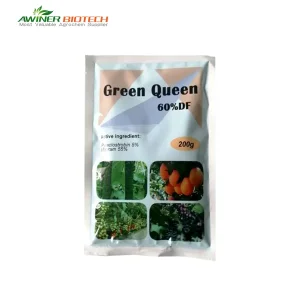
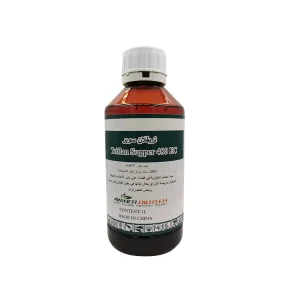
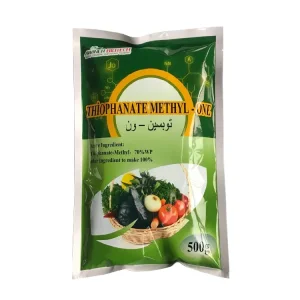
Explore our flagship, export-compliant formulations manufactured under stringent ISO/FAO quality benchmarks for global agricultural markets.
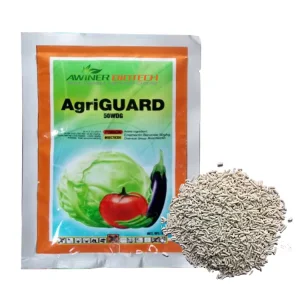
Understanding the tectonic shift in Central Asian cotton farming: Modernization, mechanical harvesting demands, and the critical role of high-purity chemical defoliants.
Uzbekistan, historically the world's 6th largest cotton producer, is undergoing a rapid transition under the state-mandated Cotton-Textile Cluster System. The country has elevated mechanical cotton harvesting rates from under 15% in 2018 to over 75% across major growing regions like Tashkent, Syrdarya, Jizzakh, and Fergana. Mechanical spindle harvesters require a minimum defoliation efficiency rate of 90-95% with zero green leaf trash contamination to preserve fibre grading (Gost Standards). Consequently, the annual demand for high-grade Thidiazuron (TDZ) + Diuron and Ethephon formulation blends imported from China has surged by 18.4% year-over-year.
Traditional manual picking in Uzbekistan created labor bottlenecks and prolonged harvest windows. Mechanical picking demands complete canopy clearance and accelerated boll opening to prevent moisture accumulation, seed rot, and yellow staining.
Single-active defoliants often fail under Central Asian autumn temperature drops. Modern standard protocols combine Thidiazuron (Cytokinin inhibitor) + Diuron (Photosystem II inhibitor) with Ethephon (Ethylene generator) to trigger rapid petiole abscission layer development.
Leveraging direct rail connections through Khorgos and Alashankou, Chinese manufacturers offer Uzbekistan cotton clusters unmatched lead times (7–12 days transit) and competitive pricing structures compared to Western European alternatives.
Deep dive into chemical physiological pathways: How precise active ingredient ratios ensure complete foliage senescence without damaging boll fibers.
Thidiazuron acts as a substituted phenylurea plant growth regulator. Upon absorption by cotton leaves, TDZ inhibits auxin transport from the leaf blade down the petiole, while simultaneously stimulating ethylene synthesis in petiole tissues. This shift in the auxin-to-ethylene hormonal balance activates hydrolytic enzymes—specifically cellulase and pectinase—in the abscission zone at the base of the leaf petiole.
Adding Diuron (540 g/L SC blend ratio: TDZ 360 g/L + Diuron 180 g/L) enhances photosynthetic inhibition. Diuron blocks electron transport at Photosystem II, inducing localized active oxygen species (AOS) release. This synergy causes accelerated chlorophyll degradation and leaf desiccation without killing the petiole cells prematurely. A premature cell death ("leaf freezing") must be avoided at all costs, as dead leaves sticking to the stem contaminate harvested cotton.
In Uzbekistan, early autumnal frosts in October can severely reduce lint quality if bolls remain un-opened. Ethephon (2-Chloroethylphosphonic acid 720g/L SL) breaks down into natural ethylene gas inside plant tissues, driving rapid carpel wall dehiscence (boll opening) and accelerating maturity of mature bolls by 7 to 10 days.
| Formulation Type | Active Ingredient (AI) Ratio | Target Temperature Range | Application Rate / Hectare | Key Agronomic Benefit |
|---|---|---|---|---|
| TDZ + Diuron 540g/L SC | Thidiazuron 360g/L + Diuron 180g/L | 18°C – 28°C (Standard drop) | 150 ml – 250 ml / ha | High leaf abscission, low regrowth, zero green leaf sticking. |
| TDZ 500g/L SC (Pure) | Thidiazuron 500g/L | > 22°C (Warm weather) | 120 ml – 180 ml / ha | Excellent for early-season defoliation in Southern Uzbekistan. |
| Ethephon 720g/L SL | 2-Chloroethylphosphonic Acid | 16°C – 30°C | 1000 ml – 1800 ml / ha | Forces 88-95% boll opening within 10-14 days. |
| Triple Combo (TDZ+Diuron+Ethephon) | Custom Co-formulated Tank Mix | 12°C – 20°C (Cold snap) | 150ml SC + 1200ml SL / ha | Resistant to cold weather; prevents late-season leaf drop stagnation. |
Why Chinese agrochemical enterprises remain the preferred strategic manufacturing partners for Uzbekistan cotton clusters and global distributors.
China controls over 80% of global basic chemical precursor synthesis for Thidiazuron and Ethephon intermediate compounds. From raw phosphorus and urea derivatives to technical grade (TC) purity, fully integrated chemical industrial parks in Hebei and Shandong ensure price stability and uninterrupted production scale.
Industry 4.0 automated SC (Suspension Concentrate) grinding technology delivers sub-micron particle sizing (D90 < 2.0 μm). Fine particle distribution ensures maximum leaf adhesion, spray coverage efficiency, and rainfastness under changing Central Asian microclimates.
Located near major logistics hubs, shipments reach Tashkent, Samarkand, or Namangan via direct international freight trains (China-Central Asia Railway) within 8 to 12 days. Complete ICAMA, COA, MSDS, and GOST registration documentation support speeds up customs clearance.
Transparent B2B cost breakdown based on bulk order quantities, packaging specifications, and delivery terms (FOB China Ports vs DDP Tashkent).
| Product Formulation | Packing Unit | FOB Tianjin/Qingdao (USD) | CIP Tashkent Estimate (USD) | Minimum Order Quantity (MOQ) |
|---|---|---|---|---|
| Thidiazuron 500g/L SC | 1 L HDPE Bottle / 20 L Drum | $7.80 – $9.20 / Liter | $8.40 – $9.80 / Liter | 2,000 Liters |
| TDZ 360 + Diuron 180 SC | 1 L Bottle x 12 / Carton | $8.50 – $10.10 / Liter | $9.20 – $10.80 / Liter | 3,000 Liters |
| Ethephon 720g/L SL | 1 L / 5 L / 200 L Drum | $3.40 – $4.20 / Liter | $3.90 – $4.70 / Liter | 5,000 Liters |
| Thidiazuron 50% WDG | 1 kg Aluminum Foil Bag | $14.50 – $16.80 / Kg | $15.30 – $17.60 / Kg | 1,000 Kg |
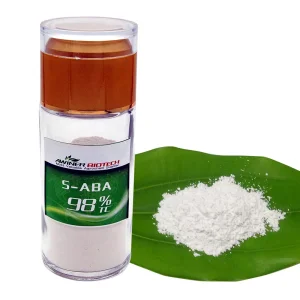
| S-Abscisic Acid (S-ABA) 98% TC | 1 kg Fiber Drum / Custom | Contact Factory Pricing | Custom Tariff Quote | 100 Kg |
* Note: Prices fluctuate based on raw chemical active ingredient indices, seasonal demand curves (peak purchasing window: June–August), customized fluorinated HDPE bottle packaging specs, and rail freight tariff adjustments. Direct procurement agreements signed during Q1/Q2 qualify for volume rebate structures and guaranteed priority shipping slots.
Optimizing spray timing, droplet density, and adjuvant integration under Central Asian environmental conditions.
Apply defoliants when the cotton crop reaches 60-70% natural open bolls, and the youngest harvestable boll is not less than 20-25 days old (seeds turned brown). Early spraying reduces lint weight and micronaire quality; late spraying risks cold temperature failure.
For temperatures above 20°C, standard TDZ 500g/L SC dosage at 150ml/ha is effective. When nighttime temperatures drop below 14°C (common in late September across Northern Uzbekistan), add organosilicone penetrants and increase Ethephon by 15% to sustain enzymatic leaf drop kinetics.
Deploy tractor-mounted boom sprayers calibrated for 200–300 Liters of water per hectare. Ensure drop nozzles penetrate the mid-to-lower crop canopy. Droplet size should be maintained at 150–250 microns to maximize leaf surface coverage without runoff.
Dedicated research, production, and worldwide distribution of top-tier crop protection products since 2006.
Awiner Biotech was founded in 2006, located in the north of China—Shijiazhuang, Hebei Province. The city is close to our capital Beijing, with convenient transportation networks. Awiner Biotech is committed to research, production, and global distribution of high-performance agrochemicals, mainly dealing with pesticides, herbicides, fungicides, plant growth regulators, and public health pesticides.
We actively participate in international agricultural exhibitions in Turkey, Iran, Pakistan, Nigeria, Russia, Cambodia, Malaysia, Uzbekistan, and more. Our agronomists regularly conduct on-site market inspections to analyze local field conditions, optimize product applications, and foster enduring commercial partnerships.
Up to now, Awiner Biotech has won satisfied long-term customers across global agricultural hubs, including: Iraq, Iran, Afghanistan, Pakistan, India, Libya, Syria, Turkey, Yemen, Ukraine, Russia, Kazakhstan, Uzbekistan, Chile, Bolivia, Mexico, Brazil, Paraguay, Nigeria, Djibouti, Rwanda, Somalia, Malaysia, Cambodia, Nepal, Myanmar, and beyond.
Expert answers addressing high-intent queries regarding cotton defoliant selection, customs registration, and tank-mixing protocols.
Single-active Thidiazuron relies heavily on warm daytime temperatures (>22°C) to function efficiently. Adding Diuron broadens the effective temperature window down to 14°C–16°C. Diuron inhibits photosynthesis, accelerating physiological senescence and foliage drop even during cold spells in early autumn, preventing leaf desiccation without drop ("leaf freeze").
Properly defoliated cotton eliminates green leaf trash in mechanical spindles. Green leaf juice stains raw cotton lint, reducing its market grade value under Uzbekistan GOST cotton classification standards. Achieving >90% leaf drop reduces machine harvest power consumption and lowers trash content to under 3%.
Yes, tank mixing Ethephon 720g/L SL with TDZ+Diuron 540g/L SC is standard practice across major cotton clusters. However, slurry preparation order is critical: Fill the tank with 50% water, add TDZ+Diuron SC under agitation, followed by silicone adjuvant, and finally add Ethephon SL before topping off with water to prevent physical precipitation.
When stored in high-density polyethylene (HDPE) fluorinated bottles between 5°C and 35°C in dry, ventilated warehouses, our SC formulations maintain active ingredient stability and suspension stability for 24 months. Avoid prolonged exposure to sub-zero temperatures to prevent crystal nucleation.
We provide comprehensive documentation support for state pesticide registration in Uzbekistan, including GLP-certified analytical Certificate of Analysis (COA), ICAMA certificates, Material Safety Data Sheets (MSDS), toxicology dossiers, and field trial efficiency reports.
By international rail freight (China-Central Asia Express via Khorgos), lead times range between 8 and 12 days from loading to customs destination in Tashkent. Road transport via truck container offers door-to-door delivery in approximately 10 days.
Browse our full range of fungicides, insecticides, public health solutions, and plant growth regulators.
 Awiner Biotech