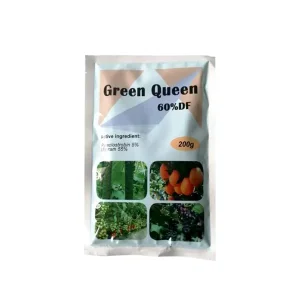
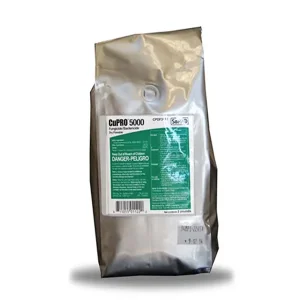
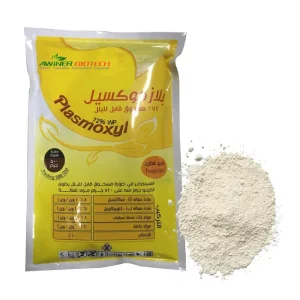
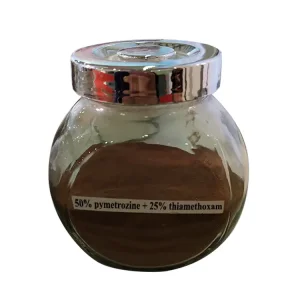
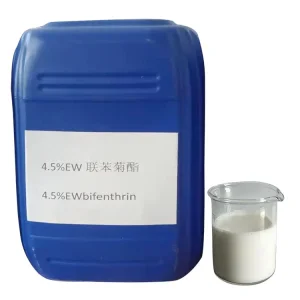
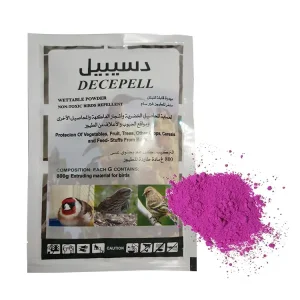
Direct factory wholesale formulations engineered for systemic protection, insect growth regulation, and field resistance mitigation.
Data-driven insights into aphid vector dynamics, crop yield destruction variables, and global agrochemical consumption metrics.
While historically considered secondary pests in comparison to the Brown Planthopper (Nilaparvata lugens) and Rice Stem Borer (Chilo suppressalis), global shifts in agricultural microclimates, intensive nitrogen fertilization, and altered precipitation regimes have elevated aphid populations to epidemic status across tropical and sub-tropical rice belts.
Aphids utilize specialized piercing-sucking stylets to penetrate the phloem vessels of rice tillers, leaves, and basal root zones. The systemic extraction of photoassimilates causes acute chlorosis, delayed panicle initiation, poor grain filling, and reduced tillering capacity. Furthermore, the excretion of carbohydrate-rich honeydew forms a substrate for Sooty Mold (Capnodium spp.), which drastically diminishes leaf photosynthetic active radiation (PAR) absorption capacity.
Depletes structural carbohydrates, causing premature leaf senescence, tiller abortion, and plant stunting during critical vegetative development stages.
Honeydew deposits occlude leaf stomata, reducing net photosynthetic output by up to 45% and severely impairing dry matter accumulation.
Serves as primary biological vectors for persistent and non-persistent phytoviruses, causing irreversible field-wide yield collapse.
Modern B2B purchasing agents must balance immediate knockdown efficacy with IRAC (Insecticide Resistance Action Committee) rotation protocols to prevent target site resistance (e.g., kdr mutations, CYP450 detoxification overexpression).
| Active Ingredient | IRAC Group | Mode of Action (MoA) | Key Formulation Types | Target Species Scope |
|---|---|---|---|---|
| Thiamethoxam | 4A (Neonicotinoid) | Nicotinic acetylcholine receptor (nAChR) competitive modulator | 75% WDG, 25% WDG, 350g/L FS | Aphids, Planthoppers, Thrips |
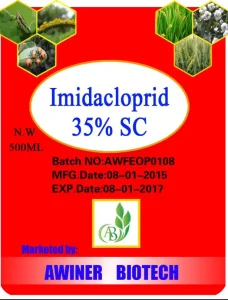
| Imidacloprid | 4A (Neonicotinoid) | Systemic nAChR agonist disrupting nervous impulse transmission | 75% WDG, 35% SC, 200g/L SL | Root aphids, Leafhoppers, Termites |
| Pymetrozine | 9B (Chordotonal Organ) | Neuroactive feeding cessation via selective TRPV channel modulation | 50% WDG, 25% WP | Specific to Homopteran aphids & planthoppers |
| Dinotefuran | 4A (Neonicotinoid) | 3rd Gen Neonicotinoid with rapid vascular systemic mobility | 20% SG, 70% WDG | Sap-sucking pest complexes |
To guard against reduced field sensitivity, industrial growers utilize multi-site or dual-active co-formulations. Combining a rapid-acting systemic neonicotinoid (e.g., Thiamethoxam) with a selective feeding blocker (e.g., Pymetrozine) delivers both immediate mortality and prolonged residual protection (21-28 days), reducing the required spray frequency per cropping cycle.
Global enterprise procurement for aphid solutions in cereal crops requires stringent technical due diligence. B2B buyers—ranging from national distributors in South America to state tenders in the Middle East—analyze several key criteria before issuing Purchase Orders (POs):
Formulations must pass accelerated thermal storage testing (CIPAC MT 46.3 at 54°C for 14 days) to ensure zero active ingredient degradation, non-caking of WDG granules, and stable suspension rates in SC formulations under severe tropical storage conditions.
Full GLP-accredited toxicology reports, environmental fate studies, residue trial data (MRL alignment), and FAO/WHO specifications are mandatory for localized registration approvals.
Custom packaging engineered for high-humidity coastal ports—utilizing UN-certified HDPE drums, aluminum foil barrier bags, and heat-sealed corrugated outer master cartons for zero transit leakage.
China remains the powerhouse of global active ingredient (AI) synthesis and advanced crop protection formulation. The integration of Industry 4.0 smart manufacturing technologies provides unmatched commercial advantages to international B2B buyers.
By shifting from traditional batch reaction kettles to continuous micro-channel reactors, chemical synthesis yields increase while byproduct impurities are reduced to under 0.1%. This ensures stable batch-to-batch consistency and lower production overheads.
Direct backward integration into basic petrochemicals and key intermediates (e.g., 2-chloro-5-chloromethylthiazole for Thiamethoxam) insulates global buyers from supply spikes and raw material shortages.
Successful aphid management in rice crops requires tailored chemical application methodologies suited to specific geographic eco-zones:
High relative humidity and continuous cropping cycles require water-dispersible granules (WDG) or suspension concentrates (SC) applied via motorized knapsack sprayers or agricultural UAV drones during early tillering. Excellent rainfastness is essential.
Large-scale mechanized operations favor high-solubility seed treatment formulations (FS) containing Imidacloprid or Thiamethoxam, ensuring root system protection against early-season subterranean aphids for 30-45 days post-emergence.
Extreme environmental temperatures and high UV indices require specialized UV-stabilized liquid formulations (SL/EC) with tank-mix surfactants to minimize drop evaporation and maximize cuticular penetration.
Awiner Biotech was founded in 2006, located in north of China-Shijiazhuang, Hebei Province. The city is close to our capital Beijing, transportation is convenient. Awiner Biotech is committed to research, produce and distribute agrochemicals, mainly dealing with pesticides, herbicides, fungicides, plant growth regulators, and public health pesticides.
With state-of-the-art analytical equipment, automated formulation lines, and strict ISO-certified quality assurance frameworks, Awiner Biotech ensures every shipment meets rigid global specs.
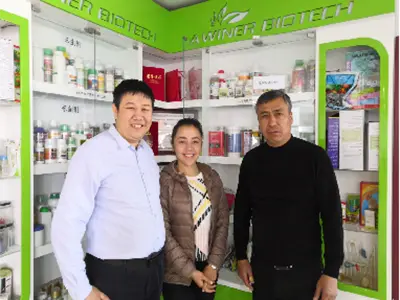
Up to now, we have won customers globally from: Iraq, Iran, Afghanistan, Pakistan, India, Libya, Syria, Turkey, Yemen, Ukraine, Russia, Kazakhstan, Uzbekistan, Chile, Bolivia, Mexico, Brazil, Paraguay, Nigeria, Djibouti, Rwanda, Somalia, Malaysia, Cambodia, Nepal, Myanmar, and so on.
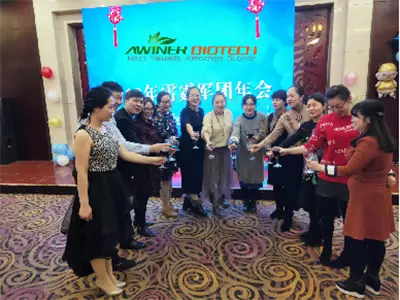
Extensive distribution and compliance infrastructure across Asia, Africa, Eastern Europe, and Latin America.
Our participating exhibition footprint includes Turkey, Iran, Pakistan, Nigeria, Russia, Cambodia, Malaysia, Uzbekistan, and beyond.
We visit customer countries to conduct field inspections, analyze and solve local agronomic challenges, evaluate product performance under native soil conditions, and host customer factory audits.
A: For populations showing reduced response to single-site neonicotinoids, we recommend tank mixing or co-formulated products combining Thiamethoxam (75% WDG) or Imidacloprid (35% SC) with feeding blockers like Pymetrozine (50% WDG). This delivers rapid knockdown via central nervous system inhibition alongside complete cessation of feeding within hours.
A: Awiner Biotech operates ISO 9001 and ISO 14001 accredited manufacturing facilities. Every batch undergoes High-Performance Liquid Chromatography (HPLC) and Gas Chromatography (GC) analysis. We issue Certificate of Analysis (COA) documents per batch and provide pre-shipment sample retainment for up to two years.
A: Standard MOQs for customized white-label or branded packaging are 1,000 L for liquid formulations (SC, SL, EC) and 1,000 kg for solid formulations (WDG, WP, SP). Commercial manufacturing lead time is generally 15 to 25 days following art proof approval and LC/TT deposit confirmation.
A: Yes, our modern Water Dispersible Granules (WDG) and Suspension Concentrates (SC) feature ultra-fine particle sizes (D90 < 5 microns), ensuring anti-clogging stability in low-volume nozzle systems standard on commercial agricultural spraying drones.
Explore our complete factory catalog including high-potency herbicides, targeted fungicides, public health vector controls, and specialized PGRs.
 Awiner Biotech