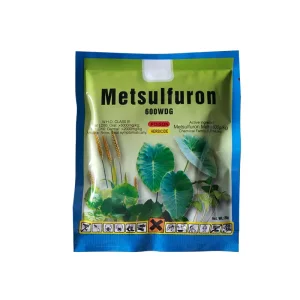
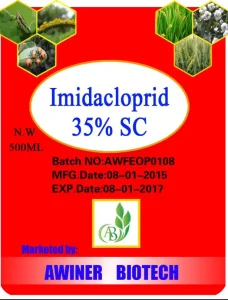
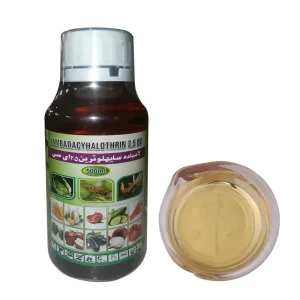
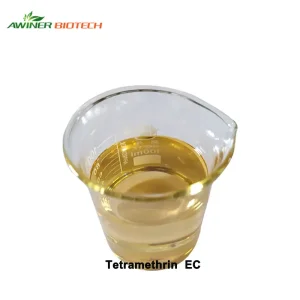
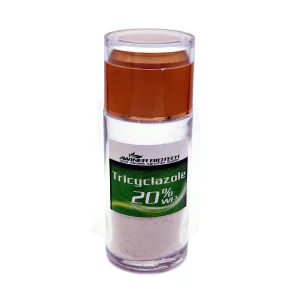
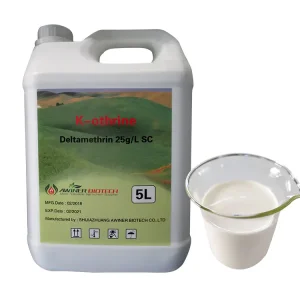
Explore our premium grade crop protection products available for wholesale, OEM, and global export
An in-depth whitepaper analysis on modern barley weed management, mode-of-action engineering, and global procurement optimization
Barley (Hordeum vulgare) serves as a cornerstone global cereal crop, vital for human nutrition, animal feed, and the global malting and brewing industries. However, achieving maximum yield and grain quality requires rigorous management against weed competition. Weeds such as wild oats (Avena fatua), rigid ryegrass (Lolium rigidum), cleavers (Galium aparine), and common lambsquarters (Chenopodium album) compete aggressively for vital soil moisture, nitrogen, phosphorus, and canopy sunlight. Left unchecked, weed infestations can cause yield losses ranging from 25% to over 60%, while simultaneously degrading test weight and malt extract capabilities.
Modern barley herbicide strategies rely on highly selective active ingredients engineered to target key biochemical pathways in undesirable vegetation without causing crop phytotoxicity. Selective weed control in barley demands an intricate understanding of active chemical families, crop safeners, and timing windows—spanning pre-emergence soil residual applications to early and late post-emergence foliar sprays.
To mitigate the escalating global threat of herbicide resistance, professional agricultural procurement teams must diversify active ingredient portfolios across distinct Modes of Action (MOA). Key chemical classes deployed in barley protection include:
Why leading global agricultural distributors source technical grade and formulated herbicides from Chinese production hubs
China's chemical industry possesses complete end-to-end integration—from basic raw petrochemical building blocks and phosphorus intermediates to active ingredient synthesis and advanced formulation processing. This eliminates supply bottlenecks and stabilizes bulk unit costs.
Modern Chinese manufacturing facilities have migrated from traditional high-solvent Emulsifiable Concentrates (EC) toward eco-friendly, water-based, and dry solid formulations such as Suspension Concentrates (SC), Water Dispersible Granules (WDG), and Oil Dispersions (OD).
Operating under strict state environmental protection frameworks and international standards (FAO/WHO specifications), top-tier Chinese plants utilize automated closed-loop production systems, ensuring low impurity profiles and batch-to-batch consistency.
Tailoring herbicide formulation chemistries to regional climactic conditions and evolving resistance challenges
Focuses on low-dose broadleaf control active ingredients with short soil half-lives. Rapidly adopting premixes of Florasulam and Fluroxypyr to comply with strict EU maximum residue limits (MRLs) and environmental fate regulations.
Faced with widespread herbicide resistance in Lolium rigidum. Heavy reliance on multi-site residual pre-emergence barriers combined with specialized post-emergence tank mixtures and safened graminicides.
Requires robust broad-spectrum spring and winter barley weed suppression across massive acreages. Demands high-concentration formulations compatible with aerial application and low-volume ultra-broadband sprayers.
Prioritizes drought-resilient formulations that maintain foliar uptake efficacy under low moisture and high temperature stress, targeting aggressive annual grasses and stubborn thistles.
The global crop protection market is experiencing a profound paradigm shift. Drivers include dynamic climate patterns, stringent chemical registration protocols, and the rapid emergence of resistant weed biotypes. Future-proof barley herbicide manufacturing centers on three technological pillars:
Streamlined supply chain logistics, custom packaging, and dossier registration support for global distributors
We provide full-spectrum OEM and ODM packaging capabilities ranging from 100ml HDPA/fluorinated bottles to 1000L IBC totes and water-soluble foil pouches, complete with multi-lingual GHS-compliant label design.
Accelerate localized product authorizations with our full registration dossiers, including GLP-accredited toxicological reports, environmental fate studies, active substance impurity profiles, and Certificate of Analysis (COA) documents.
Every commercial lot undergoes rigorous High-Performance Liquid Chromatography (HPLC) and Gas Chromatography (GC) analysis before discharge, guaranteeing precise active content concentration and physical stability under extreme storage conditions.
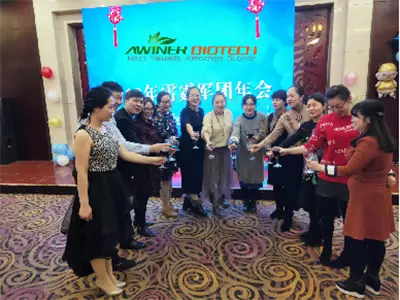
Awiner Biotech was founded in 2006, located in north of China - Shijiazhuang, Hebei Province. The city is close to our capital Beijing, and transportation is convenient. Awiner Biotech is committed to research, produce, and distribute agrochemicals, mainly dealing with pesticides, herbicides, fungicides, plant growth regulators, and public health pesticides.
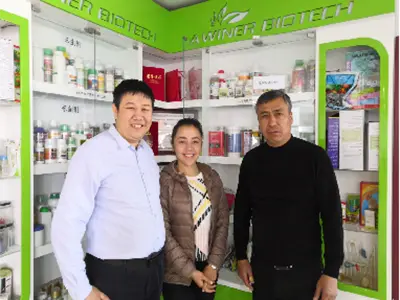
We go to the customer's country to conduct market inspections, analyze and solve problems for them, understand their product usage, and customers will also visit us. Our countries participating in international exhibitions include Turkey, Iran, Pakistan, Nigeria, Russia, Cambodia, Malaysia, Uzbekistan, and more.
Up to now, we have won customers from over 30 countries and regions worldwide:
Expert answers to commercial, agronomic, and logistics questions regarding wholesale barley herbicides
Complete product range engineered for global agricultural excellence and integrated pest management
 Awiner Biotech