Skin and Eye: Acute percutaneous LD50 for rabbits >2000 mg/kg. Slight eye irritant; non-irritating to skin (rabbits).
Inhalation: LC50 (1 h) for rats 0.146 mg/l air.
NOEL: (2 y) for rats 9.6 mg/kg b.w., for mice 6.7 mg/kg b.w.; (1 y) for dogs 5 mg/kg b.w.; 3-generation reproduction for rats 3 mg/kg b.w.
ADI: 0.03 mg/kg.
Toxicity Class: WHO (a.i.) II.
Package
25KG/Drum, 25KG/Bag, 1Kg/Al Bag, etc.
Application & Usage Guidelines
Mode of Action: Systemic fungicide, absorbed rapidly by the roots, with translocation through the plant.
Uses: Control of rice blast (Pyricularia oryzae) in transplanted and direct-seeded rice at 100 g/ha. Can be applied as a flat drench, transplant root soak, or foliar application. One or two applications by one or more of these methods give a season-long control of the disease.
Instructions for Use
Control of rice leafhoppers: In the 3-4 leaf stage of the seedlings, 50-75 grams of WP can be used per acre, 40-50 kg of water, and sprayed regularly. Or soak seeds with 0.1% active ingredient for 48 hours and then germination for seed dressing.
Prevention and control of rice panicle stalks: At the end of the rice booting stage or the beginning of the break, spray evenly with 20% wettable powder 75-100 grams.
Precautions
Soaking seeds or seed dressing slightly inhibits the sprouts but does not affect the later growth.
When controlling the stem and stalk, the first medication must be before heading.
Do not mix with seeds, feed, food, etc. If poisoning occurs, rinse with water or induce vomiting; there is no specific antidote.
There is a certain fish toxicity; pay attention to safety near ponds and aquatic environments.
Frequently Asked Questions (FAQ)
1. What primary diseases does Tricyclazole control?
Tricyclazole is a specialized systemic fungicide primarily used for controlling rice blast (Pyricularia oryzae) in both transplanted and direct-seeded rice crops.
2. How is Tricyclazole absorbed by crops?
It is a systemic fungicide that is rapidly absorbed by the roots of the plant and translocated efficiently throughout all plant tissues to provide long-lasting protection.
3. What formulation specifications are available?
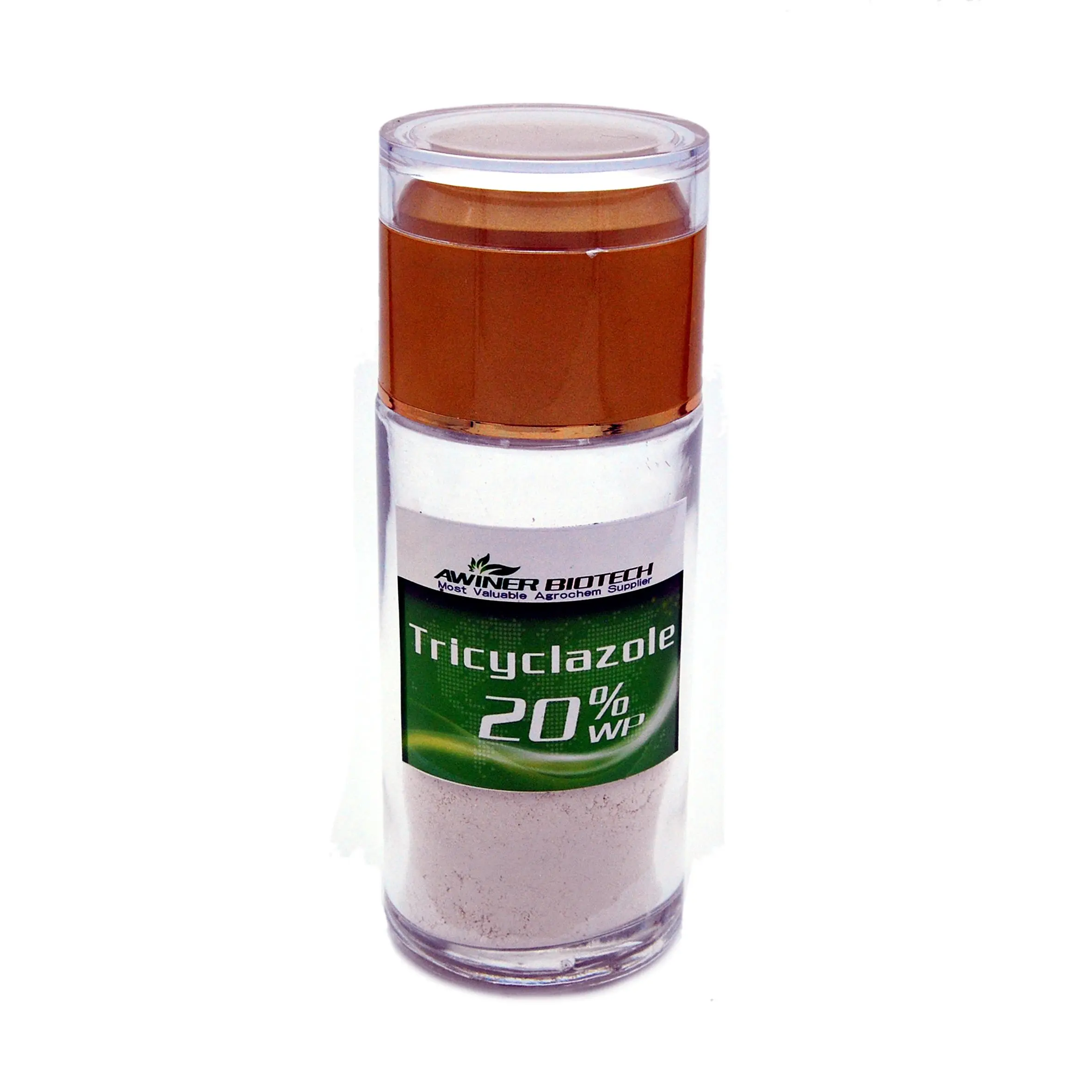
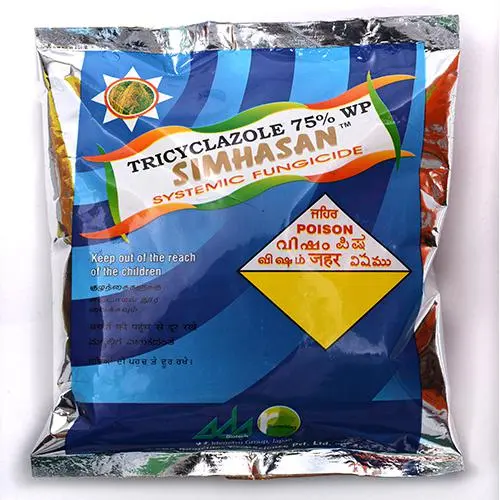
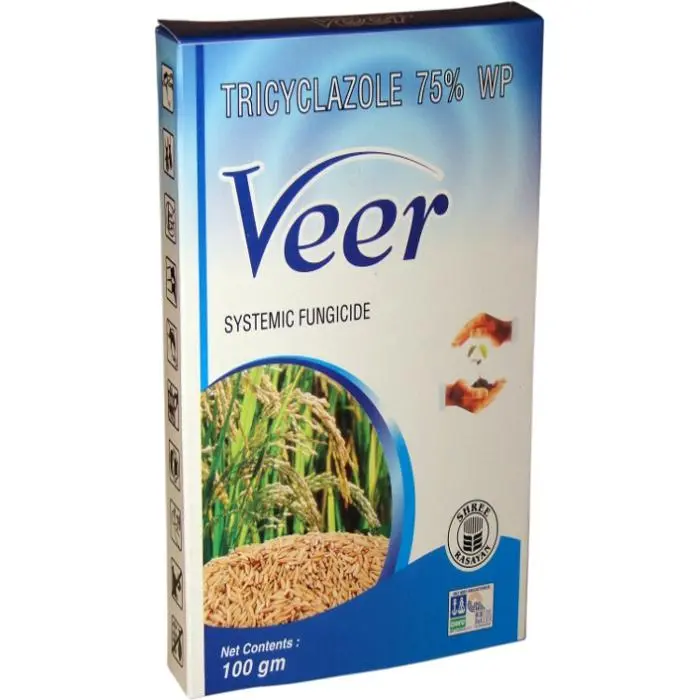
Tricyclazole is available in technical grade (96% TC) and various commercial formulations including 20% WP, 75% WP/DF, and 40% SC to suit different application needs.
4. What is the recommended timing for controlling rice panicle blast?
For effective prevention of panicle blast, the first application must be sprayed evenly at the end of the rice booting stage or the beginning of the break stage before heading.
5. Does seed treatment with Tricyclazole affect seedling growth?
Soaking seeds or seed dressing with Tricyclazole may slightly inhibit initial sprout speed, but it will not affect the overall growth and development of the plant in later stages.
6. Are there environmental safety precautions when applying Tricyclazole?
Yes, Tricyclazole exhibits toxicity to fish and aquatic life. Care should be taken to prevent runoff into fish ponds, lakes, and other open water bodies during application.
 Awiner Biotech