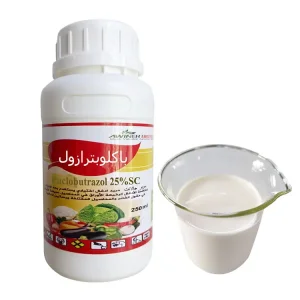
China 6-benzylaminopurine 6ba plant growth regulator pesticides Factory, Manufacturers
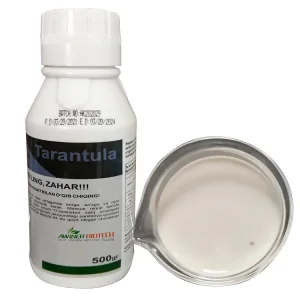
China pesticide insecticides for agriculture abamectin spirodiclofen Factory, Suppliers
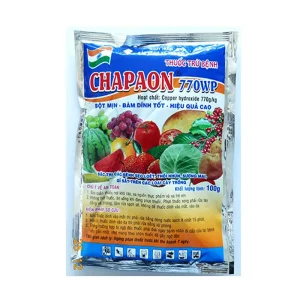
Wholesale fungicide Copper hydroxide 77%WP Quotes, Manufacturers
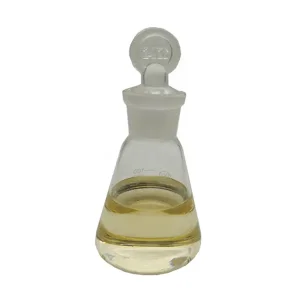

China Public Health pest control-Cyromazine 2% WDG CAS66215-27-8 Suppliers, Manufacturer
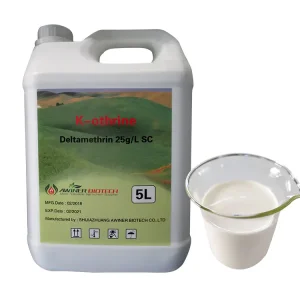
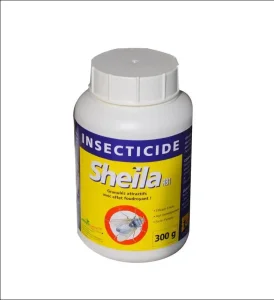
China Public Health pest control-Azamethiphos 1% GR CAS35575-96-3 Quotes, Pricelist
An authoritative agronomic whitepaper detailing chemical synthesis innovation, resistance mitigation pathways, and global distribution dynamics for commercial enterprises.
In modern agricultural ecosystems, broadleaf weed species (dicotyledonous plants such as Amaranthus palmeri, Chenopodium album, and Conyza canadensis) pose an aggressive threat to row-crop yields, competing fiercely for soil nitrogen, moisture, and photosynthetic radiation. Securing high-purity, stable broadleaf weed control formulations at scale is no longer merely a purchasing decision—it is a critical strategy for regional food security, yield optimization, and distributor market share expansion.
Selective broadleaf weed control relies on complex physiological differences between dicotyledonous weeds and monocotyledonous crops (such as corn, wheat, sugarcane, and turfgrasses). B2B procurement managers and enterprise agrochemical distributors must understand the core chemical classes to build resilient, multi-mode-of-action (MoA) product portfolios that effectively prevent herbicide resistance development.
Utilizing active ingredients such as 2,4-D, Dicamba, and MCPA. Synthetic auxins mimic natural indole-3-acetic acid (IAA), causing uncontrolled, stem curling, tissue destruction, and vascular collapse in broadleaf plants without harming monocot crops.
Incorporate Sulfonylureas (e.g., Metsulfuron-methyl, Tribenuron-methyl) and Imidazolinones. These compounds halt the synthesis of essential branched-chain amino acids (valine, leucine, and isoleucine), preventing cell division in target weeds.
Featuring actives like Carfentrazone-ethyl, Flumioxazin, and Fomesafen. By inhibiting protoporphyrinogen oxidase, these agents generate reactive oxygen species under light exposure, disrupting plant cell membranes within hours.
How advanced automation, environmental compliance, and integrated logistics deliver competitive broadleaf herbicide manufacturing for global markets.
Modern Chinese agrochemical manufacturing has transitioned from traditional batch reactors to computerized continuous micro-reaction systems. This shift yields uniform particle size distribution in Suspension Concentrates (SC) and Water Dispersible Granules (WDG). High-shear emulsification guarantees prolonged physical suspension stability, preventing micro-crystallization even under extreme storage temperatures in tropical export destinations.
Environmental regulatory enforcement in Hebei and industrial chemical parks across northern China ensures manufacturing continuity. Facilities equipped with automated MVR (Mechanical Vapor Recompression) wastewater treatment and thermal oxidizers for VOC containment run non-stop year-round, safeguarding enterprise partners against seasonal factory shutdowns or supply chain disruptions.
Dedicated research, production, and worldwide distribution of broadleaf weed control solutions, insecticides, fungicides, and plant growth regulators since 2006.
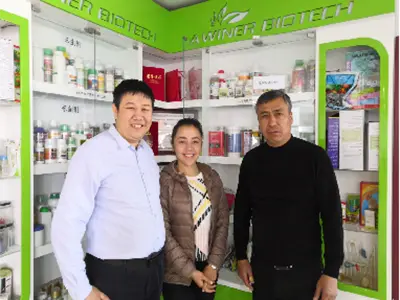
Awiner Biotech was founded in 2006, located in the north of China—Shijiazhuang, Hebei Province. The city is strategically close to our capital Beijing, enjoying convenient logistics and direct transport links to major international shipping ports such as Tianjin and Qingdao.
Awiner Biotech is committed to research, production, and global distribution of agrochemicals. We deal comprehensively with herbicides, insecticides, fungicides, plant growth regulators (PGRs), and public health pesticides designed to meet rigorous FAO and WHO benchmarks.
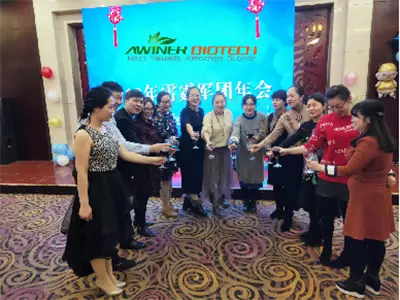
Up to now, we have won business from key importers, government buyers, and agricultural leaders across Iraq, Iran, Afghanistan, Pakistan, India, Libya, Syria, Turkey, Yemen, Ukraine, Russia, Kazakhstan, Uzbekistan, Chile, Bolivia, Mexico, Brazil, Paraguay, Nigeria, Djibouti, Rwanda, Somalia, Malaysia, Cambodia, Nepal, Myanmar, and beyond.
We routinely participate in top tier global agricultural and agrochemical expos in Turkey, Iran, Pakistan, Nigeria, Russia, Cambodia, Malaysia, Uzbekistan, establishing direct technical exchanges with local agronomists.
Our agronomists visit destination countries to conduct field inspections, analyze local weed bio-types, solve tank-mix compatibility issues, and gather real-time performance data to continually optimize product performance.
Deploying tailored broadleaf weed control solutions across distinct cropping systems and climate regimes.
Pre-emergence and early post-emergence tank mixes combining Atrazine with mesotrione or 2,4-D Isooctyl ester. Effective against stubborn broadleaf targets like Xanthium strumarium and Abutilon theophrasti while preserving crop physiological safety during early growth phases.
Application of low-temperature tolerant ALS inhibitors (such as Tribenuron-methyl + Florasulam) during spring tillering. Designed to eliminate winter annual broadleaf weeds without inducing crop chlorosis or residual carryover to sensitive rotational legumes.
High-concentration broadleaf clearance along railway rights-of-way, solar farms, and industrial sites. Utilizing persistent residual active ingredients that bond with clay-organic soil complexes to maintain vegetation-free perimeter zones for extended periods.
*Custom active concentrations, surfactant additions, and co-formulated adjuvant packages can be tailored to meet your target market's specific climate conditions and spraying gear.
Clear, direct answers for chemical importers, commercial distributors, and agricultural enterprise buyers.
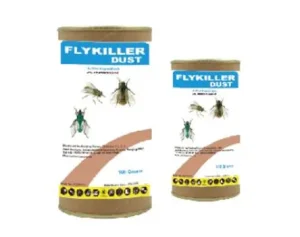
Wholesale Public Health pest control-Imidacloprid 2% GR CAS138261-41-3 Manufacturer, Manufacturers
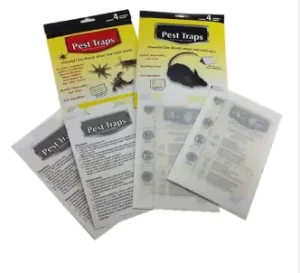
Wholesale Public Health pest control-Cockroach paper trap Factories, Manufacturer
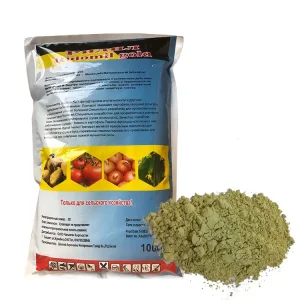
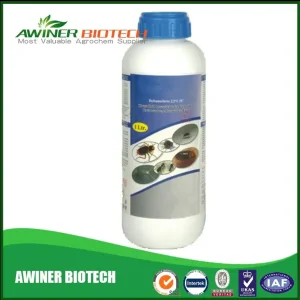
Wholesale Public Health pest control-Deltamethrin 25gL SC CAS52918-63-5 Supplier, Manufacturers
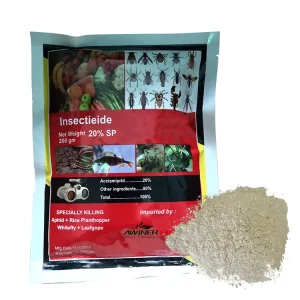
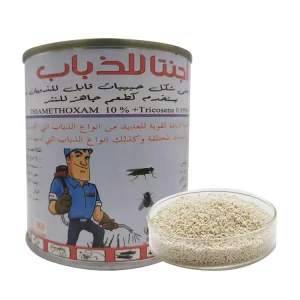
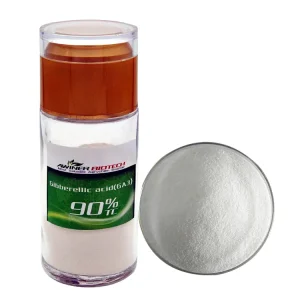
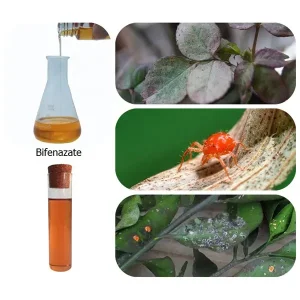
Wholesale Insecticide Bifenazate 24%SC 99%TC 80%WP 5%GR 43%SC CAS 149877-41-8 Quotes, Manufacturers
 Awiner Biotech