Explore our factory-direct, highly scalable active ingredients and formulation solutions engineered for worldwide agricultural and public health distribution.
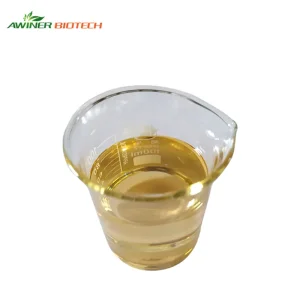
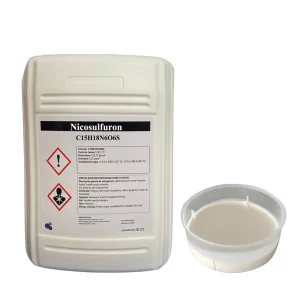
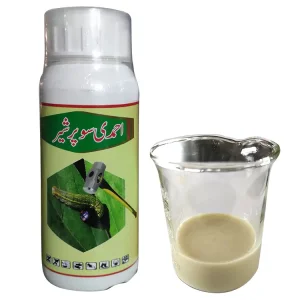
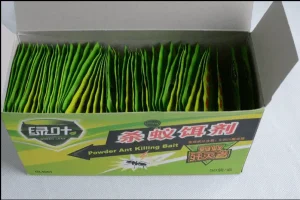
In the global landscape of public health vector control and agricultural rodent management, Bromadiolone (CAS No. 28772-56-7) stands as one of the most potent second-generation anticoagulant rodenticides (SGARs). Developed to overcome widespread genetic resistance to first-generation anticoagulants such as warfarin, Bromadiolone operates via potent inhibition of the vitamin K epoxide reductase (VKORC1) enzyme complex. This biochemical disruption halts the regeneration of active vitamin K1, preventing the post-translational carboxylation of essential blood clotting factors (Factors II, VII, IX, and X) in target rodent species.
Modern manufacturing synthesis of Bromadiolone requires rigorous stereochemical control. The commercial active ingredient comprises a mixture of two diastereoisomers, which synthesized under ISO-certified laboratory conditions deliver superior physiological potency. Below is the standardized technical profile maintained by leading wholesale synthesis factories:
| Property Parameter | Standard Technical Specification | Commercial Significance |
|---|---|---|
| Chemical IUPAC Name | 3-[3-(4'-bromobiphenyl-4-yl)-3-hydroxy-1-phenylpropyl]-4-hydroxycoumarin | Standardized chemical identification for global registration dossiers. |
| CAS Registry Number | 28772-56-7 | Universal reference code for import customs and REACH compliance. |
| Molecular Formula / Weight | C30H23BrO4 / 527.41 g/mol | High molecular mass contributing to lipophilic storage in rodent liver tissue. |
| Appearance | White to off-white, odorless crystalline powder | High purity raw material minimizes olfactory rejection by pest populations. |
| Melting Point Range | 205.5°C to 210.0°C | Thermal stability allows hot-wax extrusion processing during bait block manufacturing. |
| Solubility Profile | Insoluble in water (< 20 mg/L at 20°C); Soluble in ethanol, acetone, ethyl acetate | Enables liquid formulation concentrates (0.25% TK) using organic solvent carriers. |
The international market for Bromadiolone is undergoing significant structural shifts driven by stringent regulatory frameworks, growing urbanization, agricultural intensification, and rising demands for Integrated Pest Management (IPM) systems. Enterprise buyers, governmental procurement agencies, and commercial pest control operators (PCOs) are increasingly seeking direct manufacturing partnerships with Chinese synthesis facilities to secure high-purity active ingredients and customized end-use formulations.
Rodent infestations account for an estimated 10% to 15% loss in global grain, sugarcane, oil palm, and stored commodity yields annually. Agricultural enterprises in Latin America, Southeast Asia, and Eastern Europe are transitioning from traditional acute toxins (like zinc phosphide) to high-stability Bromadiolone wax blocks and pelleted formulations to safeguard crop fields without triggering bait rejection.
Rapid municipal expansion across the Middle East, Africa, and Asia has escalated municipal rodent-borne disease transmission risks (e.g., Leptospirosis, Hantavirus, Plague). Municipalities are contracting large-scale Bromadiolone deployments for sewer networks, port facilities, and waste management sites, demanding weather-resistant, moisture-proof formulation blocks.
Top-tier Chinese wholesale factories utilize advanced organic synthesis pathways, starting from 4-hydroxycoumarin and 4-bromobiphenyl derivatives. Strict quality control protocols ensure low impurity profiles, maximizing biological activity while adhering to international environmental safety standards.
High-purity raw active ingredient designed for regional formulators equipped with specialized dilution, homogenization, and analytical equipment. Tested rigorously via High-Performance Liquid Chromatography (HPLC).
Solvent-based concentrated solution optimized for local mixing plants. Allows versatile preparation of customized grain baits, liquid baits, or specialized tracking powders under controlled regulatory guidelines.
Fully formulated consumer and commercial baits available in extruded wax blocks, pelleted grains, soft bait sachets, and liquid gels. Formulated with human aversion agents (Denatonium Benzoate).
Procuring Bromadiolone on an industrial scale requires comprehensive supply chain reliability, flexible minimum order quantities (MOQs), and full compliance with dangerous goods (DG) international maritime transport regulations (UN Class 6.1 Toxic Substances).
Deploying Bromadiolone effectively within professional pest management frameworks requires a holistic approach targeting specific environments. Below are macro-level operational strategies designed by industry entomologists and pest control specialists.
In crop fields, perimeter baiting with weather-proof Bromadiolone paraffin blocks (spaced 10–15 meters apart inside tamper-resistant bait stations) creates a protective barrier, reducing burrowing damage to irrigation channels and preventing root loss.
Food processing units and logistics hubs utilize pelleted or grain-based Bromadiolone formulations placed along structural runways. Delayed toxicity prevents bait shyness, ensuring entire rodent colonies feed before mortality occurs.
Ports of entry and cargo ships require rapid, high-impact rodent eradication to comply with International Health Regulations (IHR). High-melting-point wax blocks withstand tropical sea temperatures while ensuring complete vector control.
Navigating strict chemical registration guidelines (such as EU Biocidal Products Regulation - BPR, US EPA standards, and FAO/WHO guidelines) requires partner factories to supply comprehensive analytical documentation and regulatory dossiers.
Leading suppliers provide full regulatory support, including Five-Batch Analysis Reports, GLP Toxicology Studies, Material Safety Data Sheets (MSDS), Certificate of Analysis (COA) for every shipment, and Stability Testing under tropical/ambient conditions.
Safety is paramount when handling SGARs. Bromadiolone poisoning can be efficiently managed via specific physiological antidotes. Primary emergency treatment involves intravenous or oral administration of Vitamin K1 (Phytomenadione) under medical supervision.
The future of wholesale Bromadiolone manufacturing centers on micro-encapsulation, bio-degradable matrices, and smart bait tracking technologies to enhance efficiency while reducing non-target environmental impact.
Encapsulating the active chemical molecule protects it from oxidation, sun breakdown, and extreme humidity, dramatically extending bait field shelf-life while masking active ingredient taste.
Integrating non-toxic UV-fluorescent dyes into the bait matrix allows technicians to trace rodent movement via fecal tracking under blacklight, helping map infestation roots rapidly.
Transitioning from synthetic petroleum waxes to plant-derived bio-waxes ensures complete environmental breakdown of unconsumed bait blocks without leaving microplastic residues.
Awiner Biotech was founded in 2006, located in the north of China - Shijiazhuang, Hebei Province. The city is close to our capital Beijing, ensuring convenient transportation and robust logistics networks. Awiner Biotech is committed to research, producing, and distributing premium agrochemicals, specializing in insecticides, herbicides, fungicides, plant growth regulators, and public health pesticides.
Up to now, we have won customers from Iraq, Iran, Afghanistan, Pakistan, India, Libya, Syria, Turkey, Yemen, Ukraine, Russia, Kazakhstan, Uzbekistan, Chile, Bolivia, Mexico, Brazil, Paraguay, Nigeria, Djibouti, Rwanda, Somalia, Malaysia, Cambodia, Nepal, Myanmar, and beyond.
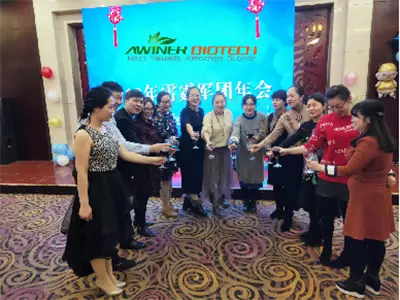
Exhibitions: Our active participating countries include Turkey, Iran, Pakistan, Nigeria, Russia, Cambodia, Malaysia, Uzbekistan, etc.
Customer Market Survey: We routinely travel to our customers' home countries to conduct on-site market inspections, analyze regional pest challenges, solve technical problems, and optimize product performance based on real-world usage. Customers also regularly visit our high-tech manufacturing base in China.
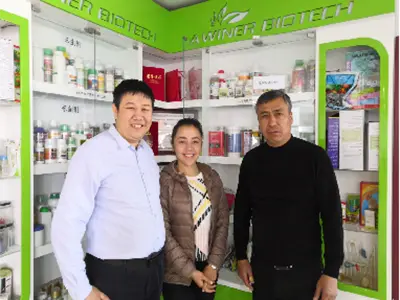
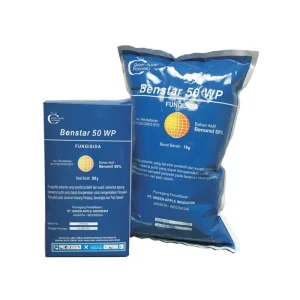
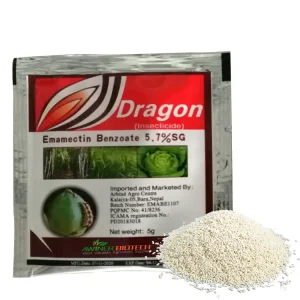
Discover our expanded agricultural and public health solutions engineered for maximum efficacy and global distribution reliability.

 Awiner Biotech