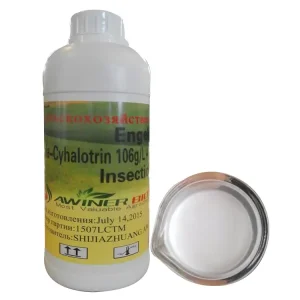
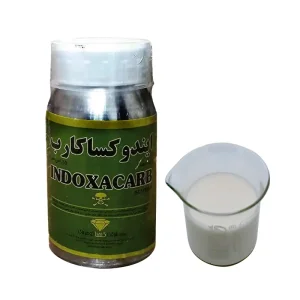
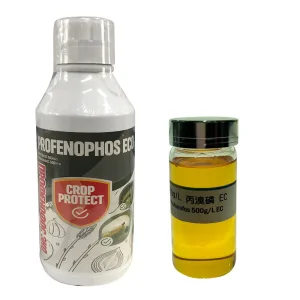
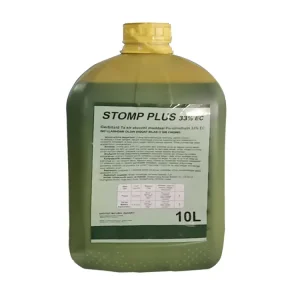
Explore our primary commercial portfolio of active ingredients, high-potency defoliants, crop protection chemistry, and growth regulators engineered for global agribusiness logistics.
In modern intensive commercial cotton production (Gossypium hirsutum), synchronizing boll dehiscence with leaf defoliation is the critical determinant of lint quality, harvest timing, and mechanical picker efficiency.
Cotton boll opening agents, primarily anchored by organophosphorus ethylene releasers like Ethephon (2-chloroethylphosphonic acid) and synergistic urea derivatives such as Thidiazuron (TDZ) or Diuron, function by inducing systemic physiological maturation across the cotton canopy. When applied to fully mature bolls, Ethephon translocates into leaf tissues and carpel wall cells where it hydrolyzes into ethylene gas at cellular pH levels above 4.5. This burst of endogenous ethylene triggers two crucial biochemical events:
Ethylene upregulates cellulase and pectinase enzymes within the suture lines of mature cotton bolls. This enzymatic digestion weakens the pericarp vascular boundaries, driving rapid pericarp drying, carpel separation, and uniform lint expansion.
Synergists like Thidiazuron alter the auxin-to-ethylene balance at the base of the leaf petiole. This accelerates the formation of a distinct abscission layer, causing green leaves to drop cleanly without triggering leaf freezing or canopy necrosis.
Accelerated canopy desiccation reduces relative humidity inside the crop micro-climate, preventing fungal boll rot (Aspergillus, Fusarium) and suppressing secondary late-season green regrowth prior to stripping or picking.
Comparing commercial active ingredient combinations for targeted climate conditions and harvesting methodologies.
| Formulation Type | Active Ingredient Ratio | Primary Mode of Action | Optimal Temp Window | Defoliation Speed | Boll Opening Rate |
|---|---|---|---|---|---|
| Ethephon Standalone (SL) | 480 g/L - 720 g/L Ethephon | Pure Ethylene Generation | 22°C – 35°C | Moderate (7-10 Days) | Extremely High (92-98%) |
| TDZ + Ethephon Binary (SC) | 120 g/L TDZ + 360 g/L Ethephon | Synergistic Abscission + Ripening | 18°C – 32°C | Rapid (4-6 Days) | High (88-95%) |
| TDZ + Diuron Combined (WP/SC) | 200 g/kg TDZ + 100 g/kg Diuron | Photosynthetic Inhibition + Abscission | 15°C – 28°C (Cool Climates) | Very High (3-5 Days) | Moderate (70-80%) |
| Carfentrazone-ethyl Blend (EC) | 24 g/L Carfentrazone + Ethephon | Protoporphyrinogen Oxidase Inhibition | 12°C – 30°C | Ultra-Fast (2-4 Days) | High (85-90%) |
Agricultural micro-climates, soil properties, and machinery types dictate custom defoliant formulations across the global cotton belt.
In regions like Xinjiang (China) and Uzbekistan with short frost-free periods and dense machine-picked cotton fields, rapid maturity is crucial. High-concentration Ethephon (720g/L SL) combined with TDZ is engineered to force uniform boll opening prior to early autumn cold spells, preserving cotton color grade (Color Grade 11/21).
In multi-crop tropical systems like Mato Grosso, high humidity and continuous vegetative growth create extreme secondary regrowth challenges. Large enterprise growers require tank-mix formulations incorporating oil-based adjuvants and PPO-inhibitor desiccant blends to enforce total canopy shut-down.
In the Indus Basin and Deccan Plateau, high late-season temperatures demand stable Ethephon formulations with thermal buffers. Prevents premature boll drop while accelerating manual picking cycles and freeing land early for winter wheat sowing.
Under extreme arid conditions with low ambient humidity (e.g., Egypt, Iraq), specialized surfactant system additives (alkoxylated fatty alcohols) are integrated into quotes to enhance stomatal penetration and prevent spray evaporation.
Unlocking cost efficiencies, synthesis precision, and global delivery networks through integrated chemical industrial parks.
China produces over 70% of the world's Technical Grade (TC) Ethephon and Thidiazuron intermediates. Raw materials such as phosphorus trichloride and ethylene oxide are synthesized within integrated industrial parks, insulating global procurement buyers from volatile price spikes.
Modern formulation facilities employ high-shear emulsification, nano-milling, and micro-encapsulation technologies to yield Soluble Concentrates (SL), Suspension Concentrates (SC), and Water Dispersible Granules (WDG) with superior physical storage stability (up to 2 years at 54°C test conditions).
From 100mL fluorinated HDPE bottles for smallholders to 200L IBC totes and flexitanks for enterprise farms, full OEM branding, localized multi-lingual labeling, and UN-certified hazard packaging ensure seamless customs clearance at destination ports.
Established corporate footprint delivering agrochemical products and technical support globally.
Founded in 2006 and located in Shijiazhuang, Hebei Province (northern China, adjacent to Beijing), Awiner Biotech operates within convenient transportation hubs to facilitate rapid international export. We specialize in the research, synthesis, formulation development, and distribution of agrochemicals—including cotton defoliants, pesticides, herbicides, fungicides, plant growth regulators (PGRs), and public health formulations.
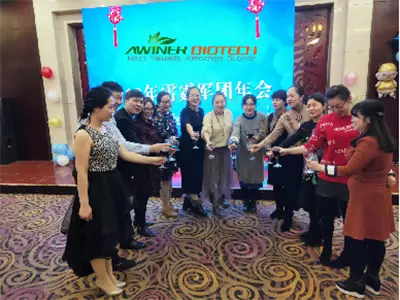
To date, Awiner Biotech has established long-term strategic commercial partnerships across 30+ countries including Iraq, Iran, Afghanistan, Pakistan, India, Libya, Syria, Turkey, Yemen, Ukraine, Russia, Kazakhstan, Uzbekistan, Chile, Bolivia, Mexico, Brazil, Paraguay, Nigeria, Djibouti, Rwanda, Somalia, Malaysia, Cambodia, Nepal, Myanmar, and more.
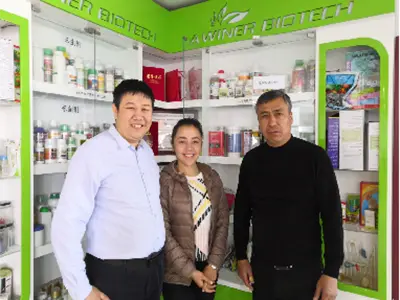
Our team routinely participates in major international agricultural exhibitions across Turkey, Iran, Pakistan, Nigeria, Russia, Cambodia, Malaysia, and Uzbekistan, engaging directly with commercial distributors and state agronomy bodies.
We perform on-site market inspections and localized field trials in customer countries. By analyzing regional crop stresses, equipment parameters, and soil chemistry on-the-ground, we provide engineered solutions, technical training, and reciprocal site visits to our manufacturing plants in Hebei.
Rigorous laboratory verification to ensure international compliance, maximum lint purity, and residue management.
Every commercial production batch undergoes High-Performance Liquid Chromatography (HPLC) and Gas Chromatography (GC) testing to guarantee active ingredient purity (±0.5% margin), ensuring zero unreacted synthesis impurities or illegal heavy metals.
All agrochemical formulations strictly adhere to Food and Agriculture Organization (FAO) and World Health Organization (WHO) specification limits for acidity, cold stability, persistent foaming, and emulsion stability in hard water.
Properly timed application of certified boll opening agents maintains fiber tensile strength (g/tex), length uniformity, and trash index without creating harmful residue carryover in cottonseed oil or seed meal fractions.
Answers to common technical, commercial, and agronomic questions for B2B importers, farm managers, and chemical distributors.
The optimal window occurs when 60% to 70% of bolls are naturally open and the remaining unopened bolls have reached full physiological maturity. Maturity can be verified by slicing unopened bolls with a razor: mature seeds will have dark brown seed coats and fully developed yellow cotyledons without jelly-like contents. Applying too early reduces fiber strength and micronaire, while applying too late diminishes defoliation response.
Ethylene release rate is directly temperature-dependent. Optimum field temperatures range between 21°C and 35°C. If daytime temperatures drop below 18°C, Ethephon activity slows significantly. Under cooler climatic conditions, agronomists recommend adding Thidiazuron (TDZ) or Diuron synergists or selecting modified PPO-inhibitor desiccant blends to maintain acceptable defoliation rates.
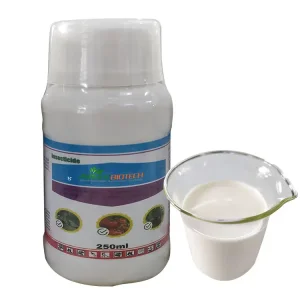
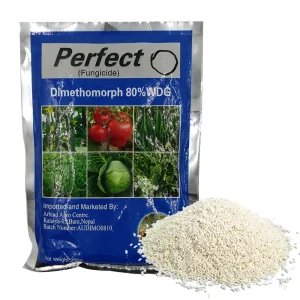
We offer flexible, export-ready packaging solutions. Liquid formulations (SL, EC, SC) are packed in 100mL, 250mL, 500mL, 1L fluorinated HDPE bottles, as well as 5L, 20L jugs, 200L steel/plastic drums, and 1000L IBC totes. Solid formulations (WDG, WP) are packed in 100g to 1kg aluminum foil bags or 25kg fiber drums. Custom private labeling, multi-language instructions, and GHS-compliant regulatory warnings are fully supported.
Yes, but physical and chemical compatibility must be verified via jar tests. Ethephon is acidic (pH ~2), so tank-mixing with strongly alkaline chemicals (such as Bordeaux mixture or lime sulfur) will cause rapid ethylene gas breakdown inside the spray tank before reaching the crop. It is commonly mixed with leaf defoliants (TDZ) and targeted late-season insecticides (e.g., Profenofos or Cypermethrin for late bollworm control) if pH stability is maintained.
Complete leaf dropping (defoliation >90%) removes green plant material that would otherwise stain cotton fibers during mechanical picking or stripping. Removing leaves opens the plant canopy to solar radiation, accelerating drying of dew and moisture, which allows spindles in spindle-type pickers to wrap and pull lint efficiently with up to 40% lower trash accumulation in bales.
Formulations maintain a 24-month shelf life under ambient conditions. Products should be stored in cool, dry, well-ventilated warehouses away from direct sunlight, food products, and ignition sources. Liquid Ethephon should be kept in original corrosion-resistant container seals to prevent vapor release.
We supply comprehensive regulatory registration dossiers to support local ministry approval, including Certificates of Analysis (COA), FAO product specifications, Material Safety Data Sheets (MSDS/SDS), Toxicity Assessment Reports, Free Sale Certificates (FSC), and ISO Audit Verification Documents.
Discover our broad-spectrum insecticides, herbicides, rodenticides, and plant health products available for combined container shipments.
Partner with Awiner Biotech for bulk pricing on Cotton Boll Opening Agents, custom formulation packaging, and global regulatory compliance support.
 Awiner Biotech