 Awiner Biotech
1 / 3
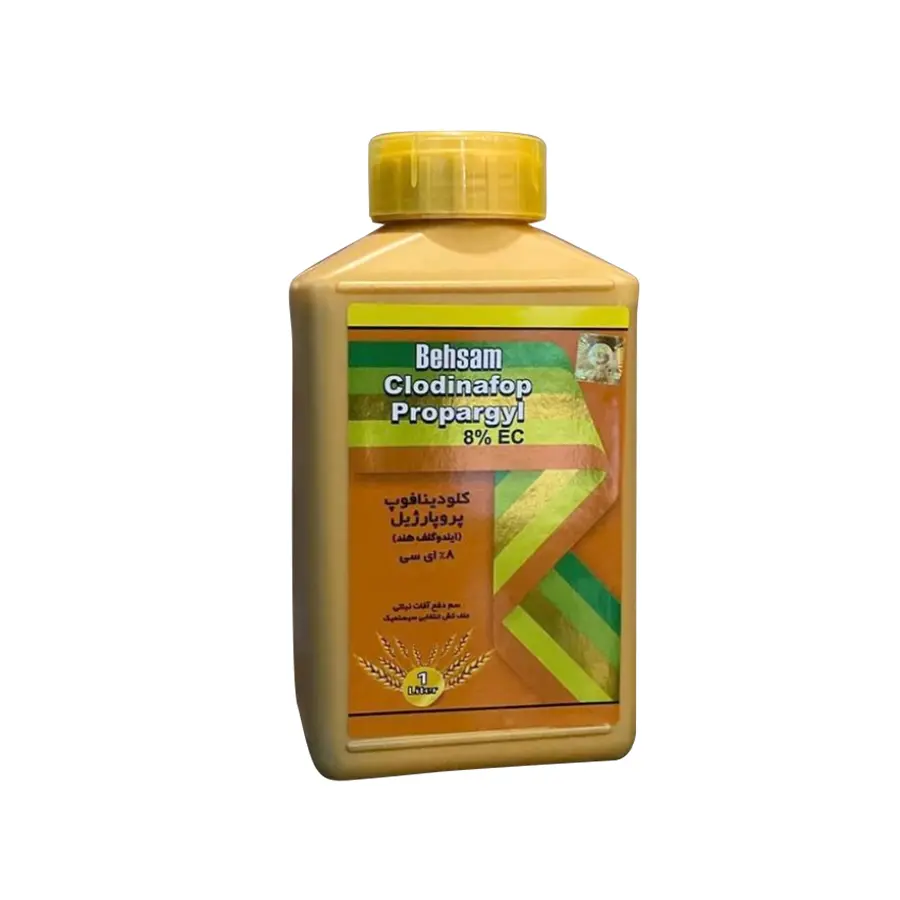
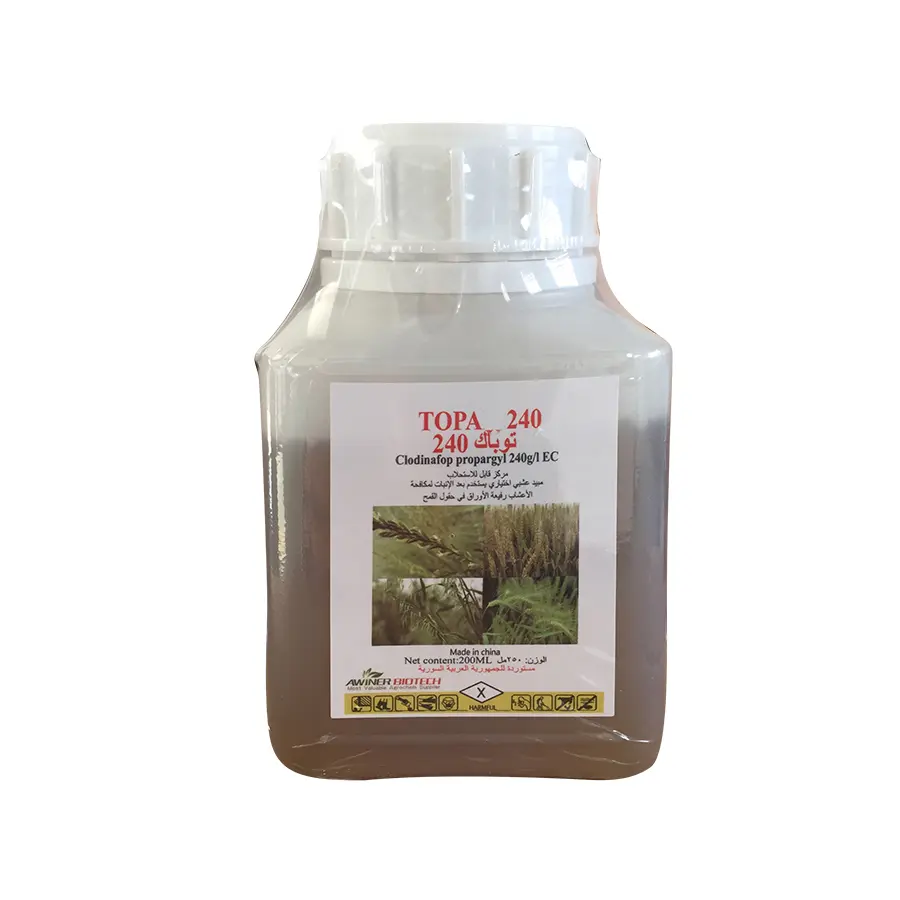
Propargyl is mainly used in crops such as soybeans, corn, and cotton. Here is an introduction to its application in each crop:
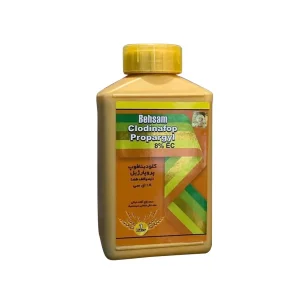
Propargyl is a natural hormone of soybeans, which can promote the growth and development of soybeans and improve yield and quality. During the growth of soybeans, appropriate use of clodinafop-propargyl can shorten the growth cycle, increase root vitality, and improve plant disease resistance, thereby obtaining higher yield and quality.
Propargyl also has a great promoting effect on the growth and development of corn. Appropriate spraying of clofenacet during the seedling stage and peak growth season of corn can promote the growth of corn, improve photosynthesis efficiency, increase root vitality, improve plant disease resistance and drought tolerance, thereby increasing yield and quality.
Propargyl also plays an important role in the growth and development of cotton. Appropriate spraying of clodinafop-propargyl can improve the photosynthetic efficiency of cotton, increase leaf area and root activity, promote cell division and differentiation, accelerate the growth and development of cotton fibers, thereby increasing yield and quality.