High-purity active ingredients engineered for resistance-breaking application in commercial cotton farming systems.
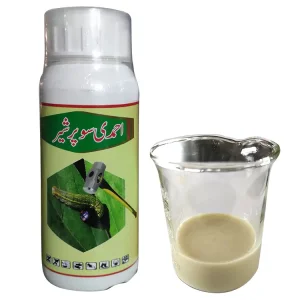
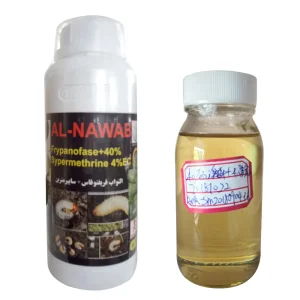
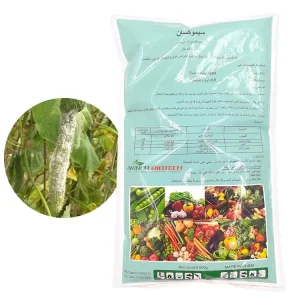
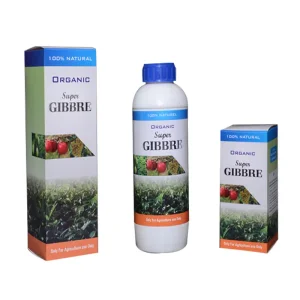
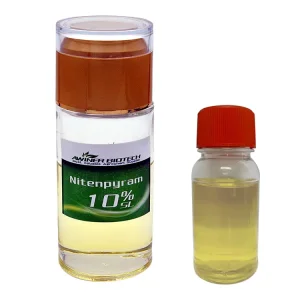
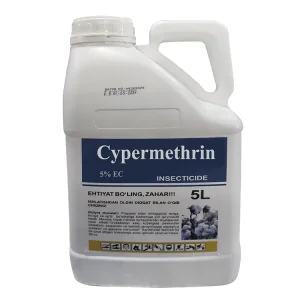
Cotton (Gossypium hirsutum L.) serves as the undisputed backbone of the global natural textile industry. However, scaling yield efficacy across millions of hectares requires high-precision agronomic intervention. Modern #cottonproduction is systematically threatened by biotic pressures including lepidopteran complexes (cotton bollworm Helicoverpa armigera, pink bollworm Pectinophora gossypiella), sucking insect vectors (cotton aphids Aphis gossypii, whiteflies Bemisia tabaci, thrips), and damaging fungal pathogens such as seedling damping-off and Verticillium wilt.
As commercial cotton enterprises transition toward high-density cropping models and precision mechanical harvesting, the demand for enterprise-grade B2B agrochemical solutions has surged. Enterprise buyers—spanning state agricultural boards, multinational distributor networks, and large-scale farming conglomerates—require more than off-the-shelf pesticide formulations. They demand robust supply-chain resilience, strict chemical analytical validation, localized compliance dossiers, and multi-modal chemistry engineered to counter rising field resistance.
Procurement teams navigating the international agricultural inputs market operate under stringent ROI mandates and environmental compliance protocols. When sourcing from a specialized wholesale #cottonproduction factory and manufacturer, global distributors evaluate vendors across four key pillars:
Batch-to-batch chemical stability backed by High-Performance Liquid Chromatography (HPLC) testing ensures zero active degradation during maritime bulk transport.
Advanced emulsifiable concentrates (EC), suspension concentrates (SC), and water dispersible granules (WDG) customized for anti-caking and high temperature dispersion.
Provision of complete FAO/WHO specification alignments, Safety Data Sheets (SDS), and GLP toxicological data packages to accelerate local ministry registrations.
Over-reliance on legacy single-molecule organophosphates or pyrethroids has escalated field resistance among targeted insect vectors. To ensure sustained efficacy, modern agrochemical manufacturers design synergistic co-formulations. Combining active compounds with distinct Modes of Action (MoA)—such as pairing chitin synthesis inhibitors with fast-acting neurotoxins—drastically lowers resistance odds.
| Pest / Pathogen Target | Primary Bio-Active Compound | IRAC/FRAC MoA Group | Formulation Type | Commercial Agronomic Benefit |
|---|---|---|---|---|
| Bollworm Complex (Helicoverpa spp.) | Emamectin Benzoate 5% SC + Chlorbenzuron | Group 6 (Glutamate-gated chloride channel allosteric modulators) | Suspension Concentrate (SC) | Rapid translucent feeding cessation; high ovicidal and larvicidal activity. |
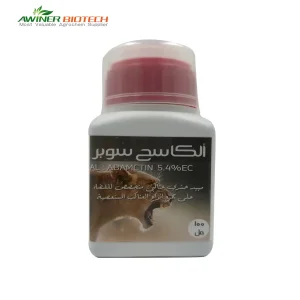
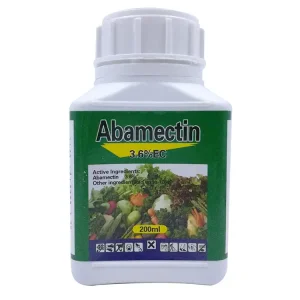
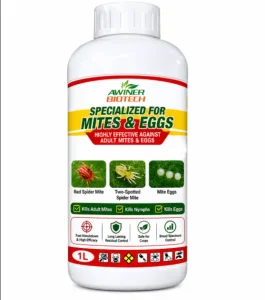
| Resistant Spider Mites (Tetranychus urticae) | Abamectin 3.6% EC / Targeted Mite Formulations | Group 6 (Chloride channel activators) | Emulsifiable Concentrate (EC) | Translaminar activity; protects underside of cotton leaf structure. |
| Aphids, Whiteflies & Thrips | Nitenpyram 10% SL + Acetamiprid Complex | Group 4A (Neonicotinoids) | Soluble Liquid (SL) | Systemic vascular uptake; halts honeydew production and virus transmission. |
| Seedling Rot & Foliar Blight | Azoxystrobin + Mancozeb 80% WP | Group 11 (QoI Inhibitors) / Group M3 | Wettable Powder (WP) / WDG | Broad-spectrum multi-site protective barrier preventing spore germination. |
| Yield Modulation & Regulators | Cytokinin (6-BA) & Gibberellic Acid (GA4+7) | Plant Growth Regulator (PGR) | Technical Crystal / Liquid | Enhances bud formation, mitigates boll shedding, optimizes fiber maturation. |
The rapid adoption of agricultural drones in global cotton hubs (such as China, India, and Brazil) has changed chemical physical property demands. High-density spray volumes require ultra-low volume (ULV) compatibility, low surface tension for maximum canopy coverage, and anti-evaporation adjuvant integration. Modern manufacturing lines prioritize dynamic particle size reduction (down to sub-micron ranges in SC formulations) to prevent UAV nozzle clogging and ensure uniform micro-droplet deposition.
Pioneering High-Performance Agrochemical Synthesis, Global Regulatory Support, and Technical Field Partnerships Since 2006.
Awiner Biotech was founded in 2006, located in the north of China—Shijiazhuang, Hebei Province. The city is close to our capital Beijing, with highly convenient transportation infrastructure connecting us directly to major international shipping ports.
Awiner Biotech is deeply committed to researching, producing, and distributing premium agrochemicals worldwide. We specialize primarily in insecticides, herbicides, fungicides, plant growth regulators, and public health pest control solutions engineered for demanding agricultural environments, including extensive large-scale #cottonproduction.
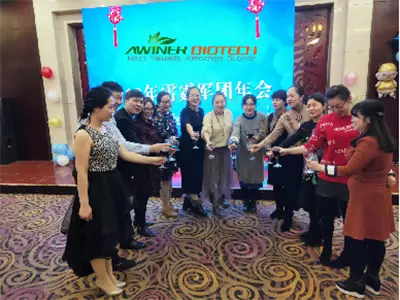
Up to now, we have won trusted customers and long-term distribution partners across diverse global agricultural markets:
Our participation in major international agricultural chemical exhibitions spans global agrochemical hubs including Turkey, Iran, Pakistan, Nigeria, Russia, Cambodia, Malaysia, Uzbekistan, and more.
Beyond trade shows, our agronomic technical teams regularly travel directly to customer countries to conduct in-depth market inspections. We analyze regional crop stress factors, solve application challenges alongside local growers, evaluate end-user product performance, and host key clients at our modern Shijiazhuang production headquarters.
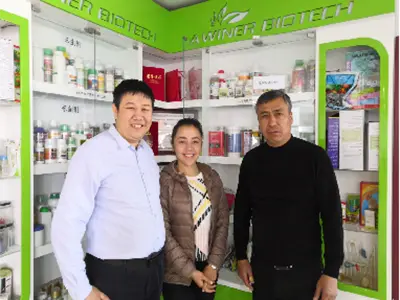
Navigating international pesticide trade requires strict compliance with varying national agricultural standards. Awiner Biotech operates under rigorous Quality Assurance (QA) and Quality Control (QC) frameworks to guarantee that every batch dispatched meets stringent international specifications.
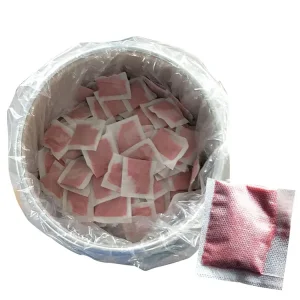
From 10ml liquid ampoules to 1000L IBC totes, or 10g aluminum foil sachets to 25kg fiber drums, we provide customized, leak-proof, UV-resistant packaging tailored to regional market branding.
Our dedicated regulatory affairs team provides ICAMA certificates, Certificate of Analysis (COA), Analytical Test Methods, MSDS, and Toxicity Reports required for local Ministry of Agriculture filings.
Every raw material and finished batch undergoes rigorous testing via Gas Chromatography (GC) and High-Performance Liquid Chromatography (HPLC) to verify active content, emulsification speed, and suspension rate.
In line with global environmental stewardship mandates (such as Better Cotton Initiative - BCI compliance guidelines), our research team emphasizes reducing ecotoxicological footprints. By introducing high-efficacy, low-dose formulations (such as Emamectin Benzoate and bio-compatible pyrethroid blends), we help commercial cotton producers minimize soil residue while maximizing boll retention and lint quality.
Expert answers regarding bulk procurement, formulation compatibility, export logistics, and targeted pest control.
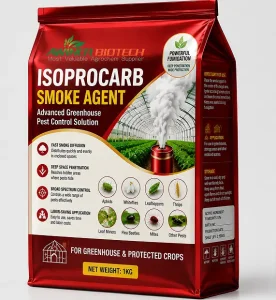
Explore our expanded range of specialized insecticides, fungicides, smoke agents, and bio-pesticide solutions.
 Awiner Biotech