Explore our premium grade agrochemicals engineered for high efficacy, targeted insect control, and minimal environmental impact.
Understanding structural market shifts, pest resistance pressures, and strategic procurement frameworks for agricultural importers and distributors.
Global climatic fluctuations have expanded the geographic range of invasive crop pests such as Spodoptera frugiperda (Fall Armyworm), Tuta absoluta, and resistant Tetranychus urticae (Spider Mites). B2B buyers require broad-spectrum active ingredients and synergistic pre-mix formulations to prevent widespread yield loss across staple and high-value cash crops.
Maximum Residue Limit (MRL) standards enforced by the EU, US EPA, and South American regulatory authorities mandate precise active ingredient purities and eco-friendly co-formulants. Modern crop protection requires transitioning from traditional organophosphates to low-toxicity, target-specific chemistries like diamides, diamide-pyrethroid blends, and water-dispersible granules (WDG).
Over-reliance on single Mode of Action (MoA) insecticides accelerates pest immunity. Leading wholesale manufacturers prioritize IRAC (Insecticide Resistance Action Committee) group rotations. Combining active ingredients—such as Emamectin Benzoate (Group 6) with Cypermethrin (Group 3A)—delivers rapid knockdown while suppressing resistant larvae generations.
To maintain margin security and supply integrity, international distributors must partner with ISO-certified Chinese manufacturing facilities capable of vertical raw material integration, flexible batch formulation (EC, SC, WDG, WP, SL), and comprehensive registration dossier support (GLP studies, ICAMA certifications, FAO specs).
How Northern China's chemical synthesis corridors empower global agrochemical pricing parity and product reliability.
Located in Shijiazhuang, Hebei Province—a central nerve center of Chinese chemical manufacturing—plants gain direct access to vital technical grade (TC) intermediates. Direct synthesis pipelines for phosphorus, fluorine, and chlorine derivatives eliminate middleman markups, yielding unmatched wholesale price resilience for global buyers.
Modern production facilities utilize high-shear emulsification, fluid-bed granulation, and ultra-fine wet milling technology. Whether formulating microemulsions (ME), suspension concentrates (SC), or water-dispersible granules (WDG), precision particle size reduction improves bio-availability, rainfastness, and storage stability across diverse climates.
Proximity to key deep-water industrial ports like Tianjin and Qingdao enables rapid containerization, hazardous goods (DG) compliance handling, and swift ocean freight dispatches to North Africa, the Middle East, South America, and Eastern Europe.
Comprehensive breakdown of key wholesale crop protection insecticides, chemical families, modes of action, and targeted agronomic applications.
| Active Ingredient / Combination | Chemical Class | IRAC MoA Group | Primary Target Pests | Key Crop Applications | Formulation Types |
|---|---|---|---|---|---|
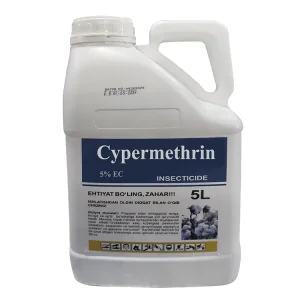
| Cypermethrin | Synthetic Pyrethroid | Group 3A (Sodium Channel) | Lepidoptera, Coleoptera, Aphids | Cotton, Maize, Fruit Trees, Vegetables | 10% EC, 25% EC, 50% EC |
| Emamectin Benzoate + Cypermethrin | Avermectin + Pyrethroid Blend | Group 6 + Group 3A Dual Action | Bollworm, Fall Armyworm, Leafminers | Rice, Corn, Cotton, Solanaceous Crops | 2% EC + 10% EC Blend, SC |
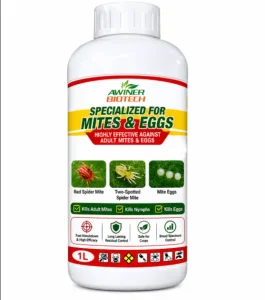
| Etoxazole | Diphenyloxazoline Acaricide | Group 10B (Chitin Biosynthesis) | Spider Mites, Panonychus spp., Eggs/Larvae | Citrus, Apples, Grapes, Tea, Cotton | 110g/L SC, 30% SC, 50% WDG |
| Cyantraniliprole | Anthranilic Diamide | Group 28 (Ryanodine Receptor) | Chewing & Sucking Insects, Thrips, Whiteflies | Vegetables, Citrus, Potatoes, Canola | 100g/L OD, 200g/L SC |
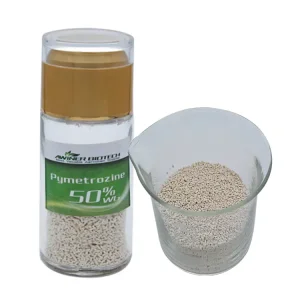
| Pymetrozine | Pyridine Azomethine | Group 9B (Chordotonal Organ Modulators) | Planthanppers, Aphids, Whiteflies | Rice, Wheat, Vegetables, Ornamental | 50% WDG, 25% WP, 50% SC |
| Nitenpyram | Neonicotinoid | Group 4A (nAChR Agonist) | Brown Planthopper, Leafhoppers, Thrips | Paddy Rice, Tea, Greenhouse Crops | 50% SG, 10% SL, 20% SP |
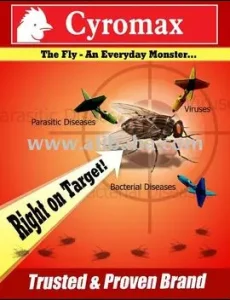
| Cyromazine | Triazine Larvicide | Group 17 (Dipteran Cuticle Disruptor) | Dipterous Leafminers, Fly Larvae | Vegetables, Mushrooms, Poultry Litter | 2% WDG, 75% WP |
| Temephos | Organophosphate Larvicide | Group 1B (Acetylcholinesterase Inhibitor) | Mosquito Larvae (Aedes, Anopheles), Midges | Public Health Vectors, Water Bodies | 1% SG, 50% EC |
Tailoring active ingredient chemistries to climate zones, soil ecosystems, and crop pest dynamics across our international footprint.
In high-humidity tropical soybean and corn belts, pest pressure from resistant Tetranychus urticae (spider mites) and Spodoptera species demands long-residual acaricides like Etoxazole 30% SC paired with systemic diamides. High rainfall conditions necessitate specialized adjuvant tank-mixes providing superior leaf surface adhesion and cuticular penetration.
Arid and semi-arid conditions cause rapid UV degradation of standard EC formulations. We supply thermal-stable Water Dispersible Granules (WDG) and microencapsulated suspensions. Key pest targets include date palm borers, cereal leaf beetles, and public health vectors in municipal water systems requiring low-toxicity Temephos 1% SG granules.
Intensive rice paddy cultivation faces severe threats from Brown Planthopper (BPH) and Stem Borers. Our tank-mix solutions incorporating Pymetrozine 50% WDG and Nitenpyram 50% SG halt insect feeding within minutes while safeguarding beneficial predatory spiders and aquatic ecosystems.
Understanding cost drivers, raw material index factors, and contract negotiation strategies for large-scale crop protection orders.
When procuring bulk crop protection insecticides, factory quotation lists (FOB/CIF) are governed by several key chemical and economic parameters:
Standard white-label packaging, fast dispatch within 15-20 days.
Customized brand lithography, flexible payment terms, localized registration assistance.
Direct raw material index lock-in pricing, custom active synthesis, dedicated production lines.
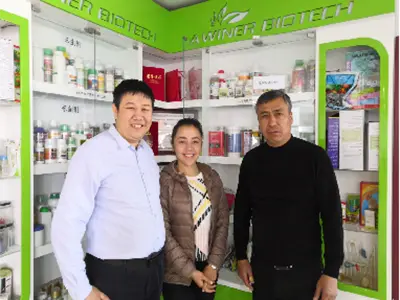
Awiner Biotech was founded in 2006, located in the north of China—Shijiazhuang, Hebei Province. The city is close to our capital Beijing, with convenient transportation networks. Awiner Biotech is committed to research, production, and distribution of agrochemicals. We mainly deal with pesticides, herbicides, fungicides, plant growth regulators, and public health pesticides.
Up to now, we have won trusted customers across more than 30 nations worldwide:
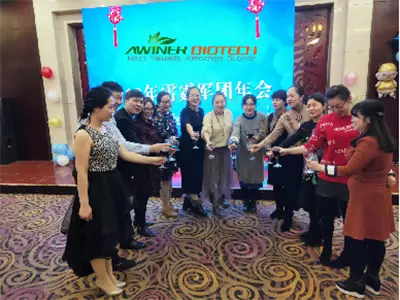
We actively participate in international agrochemical expos across Turkey, Iran, Pakistan, Nigeria, Russia, Cambodia, Malaysia, Uzbekistan, and beyond, engaging face-to-face with key agricultural stakeholders.
We travel directly to customer countries to conduct field inspections, analyze pest mutations, optimize formulation application methods, and resolve localized crop protection challenges in real time.
Every export batch undergoes rigorous high-performance liquid chromatography (HPLC), gas chromatography (GC), particle size verification, and acceleration storage testing to guarantee 100% compliance with FAO standards.
Expert answers to commercial, technical, and regulatory questions regarding wholesale crop protection insecticides.
Pricelists depend primarily on technical grade active ingredient (TC) market prices, purity percentages, formulation complexity (e.g., WDG vs EC), emulsifier grade, customized packaging specifications, and total order volume (FCL vs LCL).
We provide full registration support packages, including ICAMA certificates, Certificate of Analysis (COA), free sale certificates, product specs (FAO standard), and GLP toxicological data required by local Ministries of Agriculture.
Our standard MOQ for liquid formulations (EC, SC, SL) is typically 1,000 Liters, and for solid formulations (WDG, WP, SG) it is 1,000 KG. Smaller trial quantities can be accommodated depending on packaging availability.
By combining two distinct Insecticide Resistance Action Committee (IRAC) Modes of Action—Emamectin Benzoate (Group 6, nerve/muscle disruptor) and Cypermethrin (Group 3A, sodium channel modulator)—the mixture attacks the pest nervous system via multiple target sites, drastically reducing the survival probability of resistant mutations.
All our commercial formulations pass strict FAO accelerated storage stability tests (54°C ± 2°C for 14 days). Liquid formulations remain clear without crystal deposition or phase separation, while WDGs retain high dispersibility and suspension stability.
We offer extensive packaging options: 100mL to 200L drums for liquids (HDPE, Co-ex, Aluminum, PET), and 10g to 25kg bags/boxes for solids (Aluminum foil bags, water-soluble bags, cardboard cartons). Full design customization is provided free of charge.
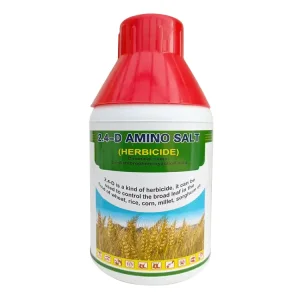
Discover our specialized acaricides, public health larvicides, and crop-specific herbicides.
 Awiner Biotech