High-purity technical grade chemicals and specialized crop protection formulations available for direct factory-direct B2B wholesale ordering.
Deciphering market volatility, technical synthesis benchmarks, and chemical procurement dynamics for industrial farm pest control management.
Modern commercial agriculture demands rigorous pest control strategies capable of mitigating complex pest resistance, maximizing crop yields, and complying with stringent environmental regulations. Navigating the global procurement of FarmPestControl active ingredients (AIs) and finished formulations requires deep insight into market dynamics, manufacturing standards, and chemical synthesis pathways.
From broad-spectrum insecticides like Emamectin Benzoate and Imidacloprid to targeted systemic herbicides such as Metribuzin and Propanil, procuring enterprise-grade agrochemicals is no longer just a transaction—it is a strategic partnership anchored in technical compliance, batch consistency, and supply chain resiliency.
Standard B2B pricelists often lack the technical depth required by enterprise purchasing directors. A quotes document must account for Technical Grade purity (TC vs Formulated EC/WDG/SC), raw material supply fluctuations, intermediate chemical synthesis costs (e.g., cyanuric chloride, cyclopentadiene derivatives), global shipping regulations, and regional compliance standards (such as ICAMA, REACH, and FAO/WHO specifications).
This whitepaper provides an exhaustive technical breakdown, economic cost framework, and procurement blueprint designed specifically for agrochemical importers, wholesale distributors, and commercial farming operations worldwide.
Understanding the engineering behind active ingredients, adjuvant systems, and delivery mechanisms to optimize field performance.
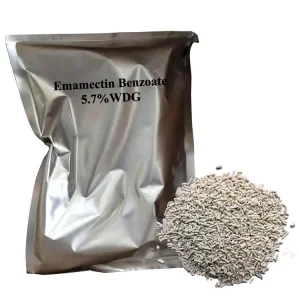
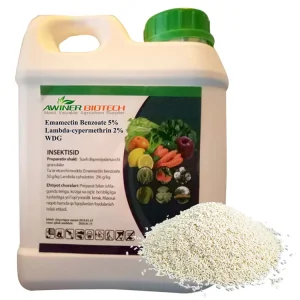
WDG formulations represent the gold standard in dry agrochemical delivery. Utilizing advanced spray-drying granulation technology, products like Emamectin Benzoate 5.7% WDG and Pyraclostrobin 20% + Tebuconazole 40% WDG offer dust-free handling, rapid disintegration in tank mixes, and superior suspension stability without solvent degradation risks.
Water-based liquid formulations like Bifenthrin 5% SC and Permethrin 0.3% + Cypermethrin EW eliminate aromatic hydrocarbon solvents, minimizing phytotoxicity on sensitive foliage while providing enhanced rainfastness and prolonged micro-crystal persistence on plant cuticles.
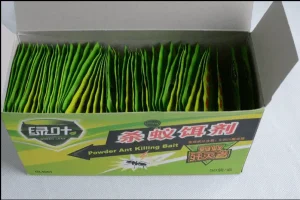
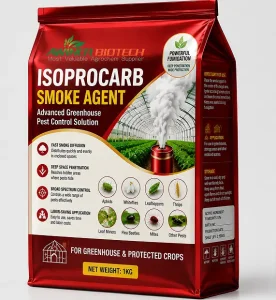
For enclosed greenhouse pest management and public health vector control, formulations such as Isoprocarb Smoke Agent (enabling 2-hour rapid knockdown without hidden pest survival) and Fipronil 0.05% Bait represent non-spray targeted intervention methodologies.
| Active Ingredient (AI) | Formulation Class | Target Application / Pest Spectrum | Key Bioavailability Mechanism | Standard Storage Stability |
|---|---|---|---|---|
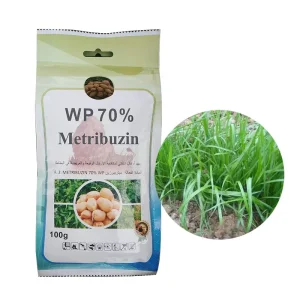
| Metribuzin 95% TC / 400 SC | Triazinone Herbicide | Broadleaf weeds & grasses in soy/potato | Photosystem II (PSII) electron transport inhibitor | 24 Months at ambient temp |
| Emamectin Benzoate 5.7% WDG | Macrocyclic Lactone Insecticide | Lepidopteran larvae (Spodoptera, Helicoverpa) | GABA receptor agonist causing rapid neuromuscular paralysis | 36 Months in sealed foil packaging |
| Pyraclostrobin 20% + Tebuconazole 40% | Strobilurin + Triazole Fungicide | Rust, powdery mildew, leaf spot complexes | Dual-site respiration inhibition & ergosterol biosynthesis block | 24 Months (frost-protected) |
| Gibberellic Acid (GA3) 90% TC | Plant Growth Regulator | Cellular elongation, fruit set optimization | Endogenous hormone pathway stimulation | 36 Months (moisture barrier sealed) |
An analytical breakdown of raw material indices, energy overheads, packaging customization, and volume discount tiers.
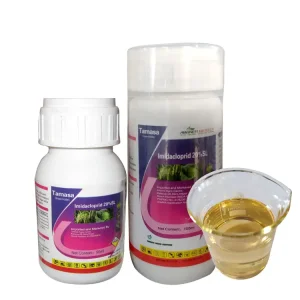
The baseline wholesale price of any formulated product (e.g., Abamectin 3.6% EC or Imidacloprid 20% SL) is heavily correlated with the spot price of technical-grade active ingredients synthesized in primary chemical reaction towers. Fluctuations in raw chemical precursor markets directly dictate final FCL (Full Container Load) quotation figures.
High-tier performance agrochemicals rely on sophisticated emulsifiers, wetting agents, and anti-foaming compounds (such as calcium dodecylbenzene sulfonate or ethoxylated fatty alcohols). Premium inert ingredients prevent phase separation and extend shelf-life stability under tropical storage conditions, influencing contract pricing.
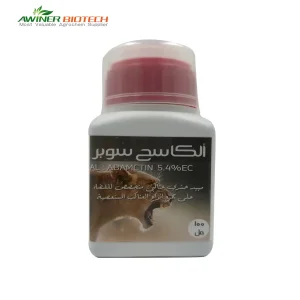
B2B quotes vary based on packaging specifications—ranging from 200L HDPE industrial drums and 1000L IBC totes for bulk buyers to customized 100ml, 500ml, or 1L aluminum-coated retail bottles with multi-lingual compliance labels (English, Spanish, French, Arabic, Russian).
Tailoring pest control solutions to specific regional agronomic challenges, climate zones, and crop ecosystems.
In regions such as Brazil, Chile, Bolivia, and Paraguay, extensive monoculture farming of soybeans, corn, and fruit crops requires massive volumes of non-selective herbicides like Glyphosate and targeted fungicides like Triazolone and Pyraclostrobin blends. Key procurement factors include bulk containerized shipping, rapid supply chain dispatch during pre-sowing seasons, and tight anti-resistance rotation planning.
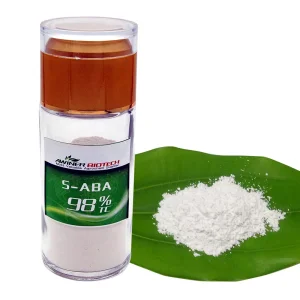
Across Russia, Ukraine, Kazakhstan, and Uzbekistan, winter wheat, sunflower, and cotton production drive steady wholesale demand for systemic growth regulators such as S-Abscisic Acid (S-ABA) and robust selective herbicides like Metribuzin. Cold-temperature storage stability and high-purity dry granules (WDG/WP) are top criteria for importers in these zones.
In arid agricultural ecosystems across Iraq, Iran, Syria, Libya, Turkey, Yemen, and Afghanistan, high-value greenhouse vegetable farming and palm plantations rely heavily on insect growth regulators, whitefly controls (e.g., Pymetrozine 25 WP), and localized smoke agents (e.g., Isoprocarb Smoke Agent) designed for rapid zero-residue pest eradication.
Markets in Nigeria, Djibouti, Rwanda, Somalia, Malaysia, Cambodia, Myanmar, India, and Pakistan prioritize dual-use chemistries. Agricultural needs (rice paddy protection with Propanil 34% EC) are matched with urgent public health vector control requirements utilizing Permethrin + Cypermethrin EW and Fipronil Baits for malaria and dengue prevention.
Ensuring zero batch-to-batch variation through strict analytical chemistry procedures and global regulatory alignment.
Every commercial batch undergoes rigorous High-Performance Liquid Chromatography (HPLC) and Gas Chromatography-Mass Spectrometry (GC-MS) testing to verify active ingredient concentration, screen for related impurities, and ensure compliance with strict FAO/WHO specifications.
Formulations undergo accelerated heat stability tests (54°C for 14 days), low-temperature liquid stability checks (0°C for 7 days), persistent foaming analysis, and wet sieve tests for WDG/WP powders to guarantee seamless tank-mixing under field conditions.
To facilitate smooth customs clearance and regional registration, comprehensive documentation packages are supplied—including Certificates of Analysis (COA), Safety Data Sheets (SDS/MSDS), ICAMA certificates, and Phytosanitary declarations.
Direct insights from our enterprise manufacturing hub and global business footprint.
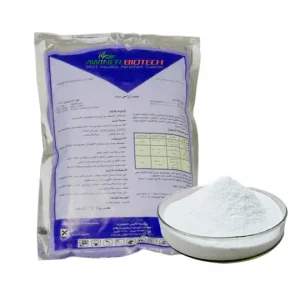
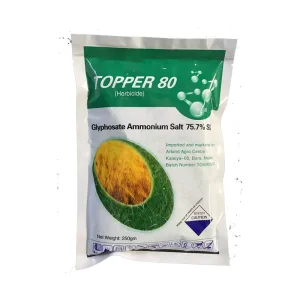
Awiner Biotech was founded in 2006,located in north of China-Shijiazhuang, Hebei Province.The city is close to our captain Beijing, transportation is convenient.Awiner Biotech is committed to research, produce and distribute agrochemicals. mainly deal with pesticides, herbicides, fungicides, plant growth regulator and public health pesticides.
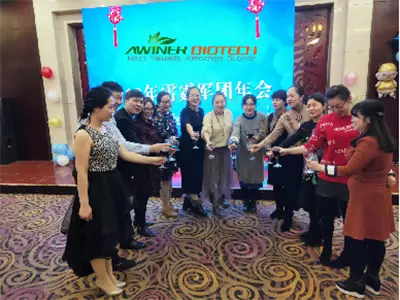
Uptonow, wehavewincustomersfromIraq, Iran, Afghanistan, Pakistan, India, Libya, Syria, Turkey, Yemen, Ukraine, Russia, Kazakhstan, Uzbekistan, Chile, Bolivia, Mexico, Brazil, Paraguay, Nigeria, Djibouti, Rwanda, Somalia, Malaysia, Cambodia, Nepal, Myanmarandsoon.
Our countries participating in the exhibition are Turkey, Iran, Pakistan, Nigeria, Russia, Cambodia, Malaysia, Uzbekistan, etc.
We go to the customer's country to conduct market inspections, analyze and solve problems for them, understand their product usage, and customers will also visit us
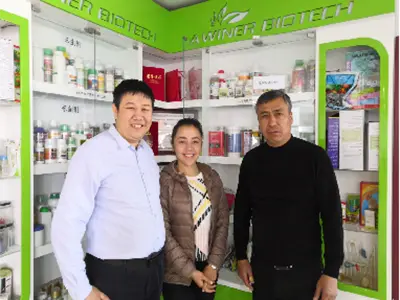
Up to now, we have win customers from Iraq, Iran, Afghanistan, Pakistan, India, Libya, Syria, Turkey, Yemen, Ukraine, Russia, Kazakhstan, Uzbekistan, Chile, Bolivia, Mexico, Brazil, Paraguay, Nigeria, Djibouti, Rwanda, Somalia, Malaysia, Cambodia, Nepal, Myanmarandsoon..
Pioneering sustainable chemistry, microencapsulation technology, and AI-driven precision field delivery systems.
Next-generation Controlled Release (CS) microencapsulation shields volatile active ingredients from UV degradation, extending field residual activity by up to 300% while drastically reducing application frequency and environmental loading.
Blending synthetic molecules with biochemical elicitors (such as S-Abscisic Acid GA3 combinations) stimulates natural plant defense networks, improving stress tolerance against drought and saline soils while fighting pest pressures.
Optimizing viscosity, droplet surface tension, and drift reduction agents for aerial UAV spraying applications ensures uniform canopy penetration and eliminates evaporation in high-heat climates.
Addressing key purchasing, logistics, formulation, and commercial questions for international B2B buyers.
Advanced crop protection products, growth regulators, and public health vector control chemistries.
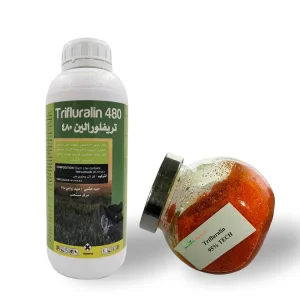
 Awiner Biotech