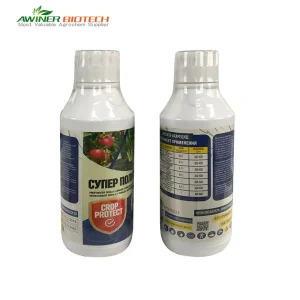
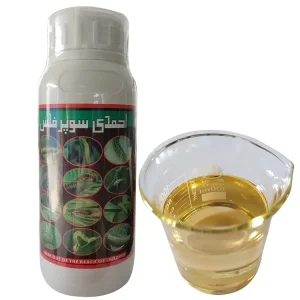
Enterprise-Grade Agricultural Solutions, Technical Formulations & Global Bulk Procurement Whitepaper
Direct Factory Quotes & Certified Technical Formulations for Global Agricultural Procurement
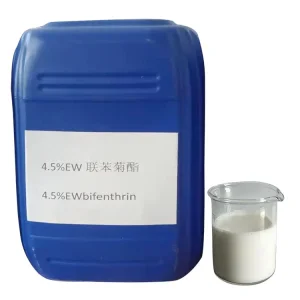
Comprehensive Market Drivers, Economic Threshold Analysis, and Crop Protection Dynamics
The global agricultural ecosystem faces an unprecedented dual challenge: securing commercial crop yields against intense pest pressures while strictly adhering to international residue compliance standards. Modern horticulture demands sophisticated, multi-site active ingredients capable of managing complex insect vector vectors across diverse climatic regions. Securing reliable, enterprise-grade wholesale insecticide for vegetable pests quotes & suppliers has become a vital strategic imperative for B2B distributors, agricultural cooperatives, commercial farming enterprises, and government procurement bodies worldwide.
Vegetable crops—including Solanaceae (tomatoes, peppers, eggplants), Brassicas (cabbage, broccoli, kale), Cucurbits (cucumbers, melons), and Alliums (shallots, onions, garlic)—are highly vulnerable to invasive pest complexes. Pests such as Plutella xylostella (Diamondback Moth), Bemisia tabaci (Whitefly), Thrips palmi, Spodoptera frugiperda (Fall Armyworm), and various root-knot nematodes (Meloidogyne spp.) account for annual crop loss estimates exceeding $65 billion globally. To mitigate these risks, modern pest management relies on chemistry that balances rapid knock-down action, residual control, low environmental persistence, and minimal toxicity to non-target beneficial organisms.
Strategic Sourcing Insight: Enterprise chemical procurement is shifting from basic generic sourcing to value-engineered active combinations (e.g., dual-mode insecticides combining fast-acting neonicotinoids with residual insect growth regulators). This transition addresses rapid pest resistance development while minimizing application frequency and labor costs.
IRAC Mode of Action (MoA) Classification and Novel Delivery Systems
Managing resistance mechanisms in commercial vegetable production requires strict rotation across different IRAC (Insecticide Resistance Action Committee) chemical classes. Relying on single-site active chemistries frequently leads to field failure due to metabolic detoxification or target-site mutation in target pests. Our technical manufacturing network produces advanced formulations designed for high stability, improved cuticular penetration, and rainfastness.
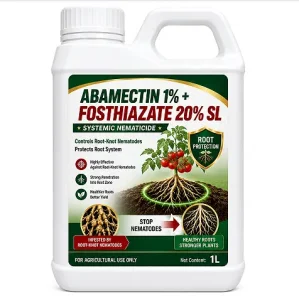
Key Actives: Abamectin, Fosthiazate.
Mechanism: Class 6 Chloride channel activators combined with organophosphate acetylcholinesterase inhibition. Provides systemic subterranean nematode eradication and foliar mite control.
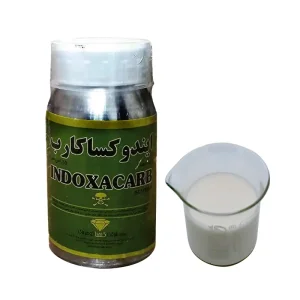
Key Actives: Indoxacarb, Chlorfluazuron.
Mechanism: Class 22 Voltage-dependent sodium channel blockers. Highly effective against resistant Lepidopteran larvae with low impact on beneficial predatory insects.
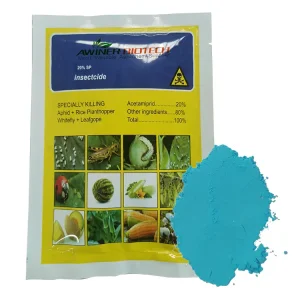
Key Actives: Acetamiprid, Pymetrozine, Nitenpyram, Clothianidin.
Mechanism: Class 4 Nicotinic acetylcholine receptor agonists combined with Class 9 feeding blockers. Swiftly stops sap-sucking pests (aphids, whiteflies, planthoppers).
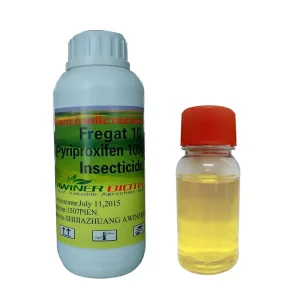
Key Actives: Pyriproxyfen.
Mechanism: Class 7 Juvenile hormone mimics. Prevents egg hatching, inhibits metamorphosis from larva to pupa, and sterilizes adult female populations.
Key Actives: Permethrin, Profenofos, Cypermethrin.
Mechanism: Multi-site action combining axonal nerve impulse disruption with acetylcholinesterase suppression, overcoming multi-drug resistance in heavy infestations.
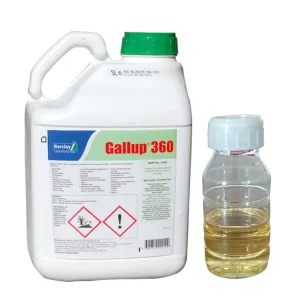
Key Actives: Pyroxasulfone, Glyphosate.
Mechanism: Very long-chain fatty acid synthesis inhibitors (VLCFAE) paired with EPSP synthase blockers for integrated weed-free field setup.
| Active Chemistry | Target Pest Spectrum | Primary Crop Applications | Formulation Type | IRAC Group |
|---|---|---|---|---|
| Abamectin + Fosthiazate | Root-Knot Nematodes, Spider Mites | Solanaceae, Cucurbits, Root Vegs | Soluble Concentrate (SL) | Group 6 + Group 1B |
| Indoxacarb + Emamectin Benzoate | Diamondback Moth, Armyworm, Loopers | Brassica, Shallots, Tomato | Suspension Concentrate (SC) | Group 22 + Group 6 |
| Pyriproxyfen 100g/L | Whiteflies, Scales, Thrips Nymphs, Flies | Greenhouse Vegs, Public Health | Emulsifiable Concentrate (EC) | Group 7C |
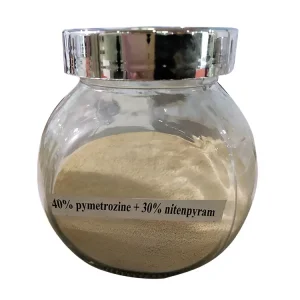
| Pymetrozine + Nitenpyram | Aphids, Whiteflies, Leafhoppers | Leafy Vegetables, Fruiting Vegs | Wettable Powder (WP / WDG) | Group 9B + Group 4A |
| Profenofos + Cypermethrin | Boring Insects, Caterpillars, Beetles | Field Vegetables, Industrial Crops | Emulsifiable Concentrate (EC) | Group 1B + Group 3A |
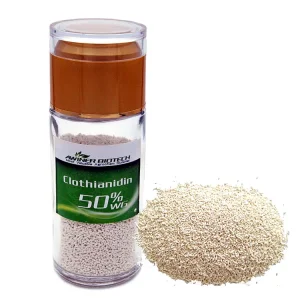
| Clothianidin 50% | Soil Pests, Flea Beetles, Grubs | Seed Treatment, Brassicas | Water Dispersible Granule (WDG) | Group 4A |
End-to-End Enterprise Supply Chain Management for International Agrochemical Buyers
Procuring agrochemical products requires strict attention to purity levels, shelf-life performance, emulsification stability, packaging integrity, and international regulatory clearance. When requesting wholesale insecticide for vegetable pests quotes, enterprise procurement leads evaluate several critical operational factors:
Our raw technical materials undergo HPLC (High-Performance Liquid Chromatography) testing to guarantee active concentration tolerances within ±0.3% of target specifications, preventing sub-dosing and preventing early pest resistance.
Utilizing high-shear emulsification and microencapsulation technology ensures long suspension stability for SC formulations and fast dispersion for WDG granules in multi-target tank mixes.
We provide full OEM/ODM packaging solutions—from 100mL fluorinated HDPE bottles to 200L steel drums and 1000L IBC totes—equipped with anti-counterfeiting holographic seals and multi-language chemical labels.
We assist international importers with FAO/WHO standard compliance, Safety Data Sheets (SDS), Certificates of Analysis (COA), GLP toxicological data, and country-specific agricultural ministry registration dossiers.
Regulatory Compliance Note (MRL Management): Commercial vegetable growers exporting produce to strict regulatory regions (such as the EU, USA, or Japan) must observe designated Pre-Harvest Intervals (PHI) and Maximum Residue Limits (MRL). Our low-toxicity active combinations are formulated to degrade into non-toxic metabolites, meeting international food safety compliance.
Awiner Biotech: Enterprise Manufacturing Expertise and Market Presence
Awiner Biotech was founded in 2006, located in north of China-Shijiazhuang, Hebei Province. The city is close to our capital Beijing, transportation is convenient. Awiner Biotech is committed to research, produce and distribute agrochemicals, mainly dealing with insecticides, herbicides, fungicides, plant growth regulators, and public health pesticides.
Through systematic quality control and persistent agrochemical innovation, we deliver robust solutions engineered for high agronomic efficiency and crop safety across variable field microclimates.
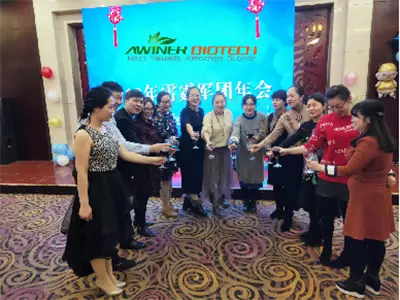
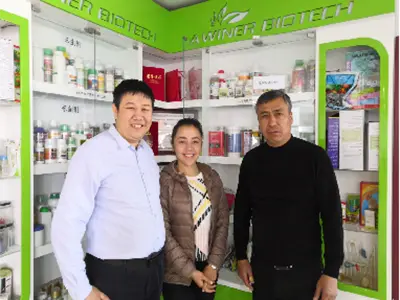
Up to now, we have won customers from Iraq, Iran, Afghanistan, Pakistan, India, Libya, Syria, Turkey, Yemen, Ukraine, Russia, Kazakhstan, Uzbekistan, Chile, Bolivia, Mexico, Brazil, Paraguay, Nigeria, Djibouti, Rwanda, Somalia, Malaysia, Cambodia, Nepal, Myanmar and so on.
Exhibition Participation: Our countries participating in agrochemical exhibitions include Turkey, Iran, Pakistan, Nigeria, Russia, Cambodia, Malaysia, Uzbekistan, etc.
Customer Market Survey: We travel directly to our customers' countries to conduct market inspections, analyze and solve local pest control problems for them, understand their actual product usage, and host partner delegation visits at our manufacturing facilities.
Expert Insights into Sourcing, Efficacy, Formulation Compatibility, and Regulatory Standards
Explore Our Full Spectrum of Crop Protection, Herbicides & Specialty Agrochemicals
 Awiner Biotech