Premium Grade Technical Active Ingredients & Commercial Vegetable Insecticide Formulations
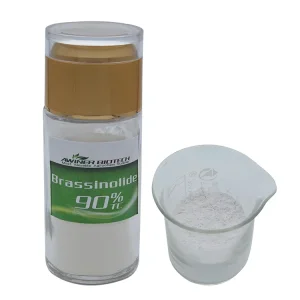
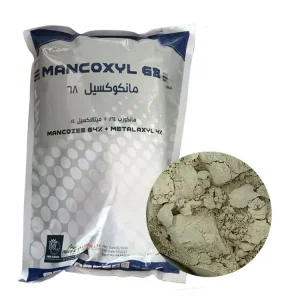
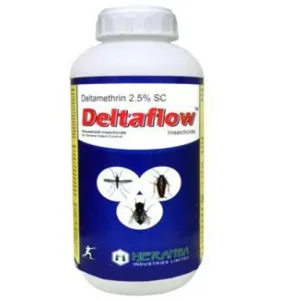
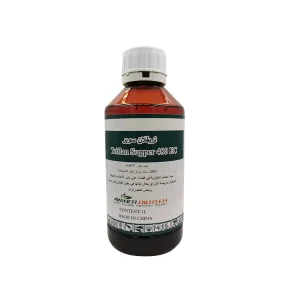
An Executive Whitepaper on Technical Synthesis, Residue Control, MoA Rotation, and B2B Agrochemical Procurement
Global vegetable farming faces unprecedented operational bottlenecks. High-density commercial cultivation of crops such as Solanaceous fruits (tomatoes, peppers, eggplants), Brassica species (cabbage, broccoli, kale), Cucurbits (cucumbers, melons), and leafy greens demands highly specialized pest control vectors. Managing multi-generational pest pressure from aggressive biological vectors—such as Bemisia tabaci (Whiteflies), Frankliniella occidentalis (Western Flower Thrips), Myzus persicae (Green Peach Aphids), and Tuta absoluta (Tomato Leafminer)—requires chemical solutions engineered for target specificity, rainfastness, low residue persistence, and minimal environmental impact.
As international commercial buyer expectations shift toward stringent Maximum Residue Limits (MRLs) mandated by regulatory bodies like the EU EFSA, US EPA, and Codex Alimentarius, agrochemical procurement relies less on generic chemical commodities and more on advanced formulation engineering, micro-emulsion technologies, and biologically active tank-mix compatible ingredients.
Repeated use of single-site chemical classes leads directly to pest resistance mutations. Enterprise growers must implement structured Integrated Pest Management (IPM) rotation programs based on Insecticide Resistance Action Committee (IRAC) classifications. Modern wholesale supply chains must provide active ingredient classes spanning diverse biochemical targets:
| Active Ingredient / Compound | IRAC Group | Primary Target Pests | Key Biochemical Mechanism | Formulation Types |
|---|---|---|---|---|
| Indoxacarb | Group 22A | Lepidoptera, Tuta absoluta, Caterpillars | Voltage-dependent sodium channel blocker | 150g/L SC, 30% WDG, 95% TC |
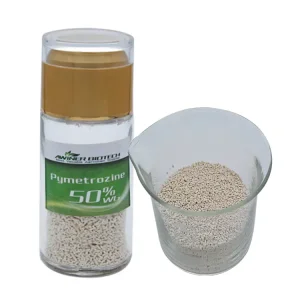
| Pymetrozine | Group 9B | Aphids, Whiteflies, Plant Hoppers | Chordotonal organ TRPV channel modulator | 50% WDG, 25% WP |
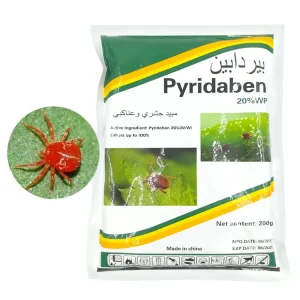
| Pyridaben | Group 21A | Spider Mites, Whiteflies, Thrips | Mitochondrial complex I electron transport inhibitor | 20% WP, 15% EC |
| Bacillus thuringiensis (Bt) | Group 11A | Diamondback Moth, Leafminers | Microbial disruption of insect midgut membranes | 32,000 IU/mg WP, SC |
| Beta-Cypermethrin + Synergists | Group 3A | Mosquitoes, Beetles, Chewing Insects | Sodium channel modulator + PBO enzyme inhibitor | 12% + 4% + 16% PBO EC |
Emerging Delivery Technologies, Microencapsulation, and Low-Residue Bio-Rational Chemistry
Controlled-release Capsule Suspensions (CS) extend active ingredient residual activity on plant foliage while drastically lowering acute dermal toxicity for applicators. Polymer-shell technology protects photo-labile molecules from UV degradation under field conditions.
Combining bio-based strains such as Bacillus thuringiensis kurstaki with targeted chemical actives creates anti-resistance knockdown agents. These biological tank mixes leave minimal synthetic residue on harvested vegetables, helping growers easily meet strict MRL targets.
Ultra-low volume (ULV) formulations tailored for agricultural drone application utilize built-in anti-evaporation and anti-drift adjuvants. Modified viscosity profile ensures uniform particle droplet distribution across dense vegetable canopy tops and leaves.
Global regulatory agencies are systematically reducing the permissible limits of traditional solvent-based Emulsifiable Concentrates (EC) due to Volatile Organic Compound (VOC) concerns. Modern enterprise manufacturing prioritizes eco-friendly delivery vehicles:
Automated Synthesis Lines, High-Precision Quality Assurance, and Scalable B2B Output
Our manufacturing base operates under Distributed Control Systems (DCS), continuously monitoring reaction temperature, pressure, and catalyst stoichiometry during chemical synthesis. Automated multi-stage purification processes yield technical-grade (TC) raw materials with active purity levels up to 98.5%, minimizing undesirable chemical isomers and by-product impurities.
Every production batch undergoes strict quality control validation using High-Performance Liquid Chromatography (HPLC) and Gas Chromatography-Mass Spectrometry (GC-MS). Physical properties—including suspension stability, wet sieve analysis, emulsification stability, and persistent foaming—are validated to meet or exceed FAO/WHO international standards prior to shipment clearance.
Operating out of northern China's key chemical logistics corridor, our manufacturing infrastructure maintains strategic chemical precursor reserves. By controlling synthesis pathways from basic intermediates up to final packaged formulations, we protect enterprise clients from global raw material price fluctuations and guarantee batch-to-batch consistency for large-scale agricultural operations.
Comprehensive Solutions for Importers, Agribusiness Distributors, and Large Commercial Farms
Procuring agricultural chemicals at commercial scale requires meticulous alignment between chemical supplier capabilities and target market regulatory frameworks. Enterprise purchasers evaluate agrochemical suppliers based on product performance, regulatory dossier support, packaging durability, and dangerous goods logistics management.
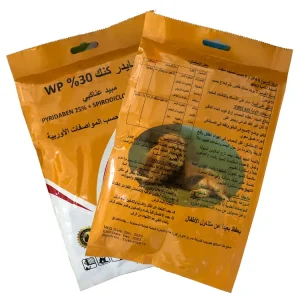
Agricultural chemicals require specialized packaging to prevent container degradation, solvent evaporation, and environmental contamination during transoceanic shipping:
Securing pesticide import registrations requires specialized bio-assay data, environmental fate studies, and toxicological documentation. Our regulatory affairs department provides full technical dossier support tailored to regional regulatory requirements (such as MAPA in Brazil, SENASA in South America, and localized registration boards across Africa, the Middle East, and Asia):
Over 18 Years of Excellence in International Agrochemical Research, Production, and Market Field Surveys
Awiner Biotech was founded in 2006, located in north of China-Shijiazhuang, Hebei Province. The city is close to our capital Beijing, transportation is convenient. Awiner Biotech is committed to research, produce and distribute agrochemicals, mainly dealing with pesticides, herbicides, fungicides, plant growth regulators, and public health pesticides.
Through our dedicated agronomic research teams and technical support network, we bridge chemical synthesis expertise with practical farm-level crop protection. We work closely with commercial distributors to conduct field trials and optimize product formulations for local climates and pest resistance profiles.
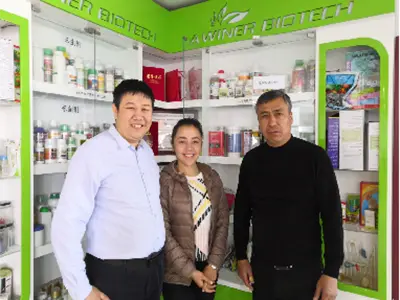
Up to now, we have won customers from Iraq, Iran, Afghanistan, Pakistan, India, Libya, Syria, Turkey, Yemen, Ukraine, Russia, Kazakhstan, Uzbekistan, Chile, Bolivia, Mexico, Brazil, Paraguay, Nigeria, Djibouti, Rwanda, Somalia, Malaysia, Cambodia, Nepal, Myanmar, and so on.
Our countries participating in international agricultural exhibitions include Turkey, Iran, Pakistan, Nigeria, Russia, Cambodia, Malaysia, Uzbekistan, and more, establishing strong regional partnerships.
We visit our customers' countries to conduct on-site market inspections, analyze pest pressures, solve application challenges, understand product usage performance, and host incoming customer site visits.
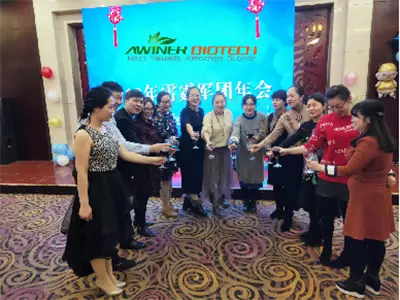
Detailed Insights for Agrochemical Distributors, Formulators, and Bulk Buyers
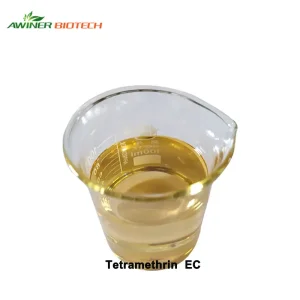
Explore Our Broad-Spectrum Insecticide Formulations, Herbicide Premixes & Public Health Agrochemicals
 Awiner Biotech