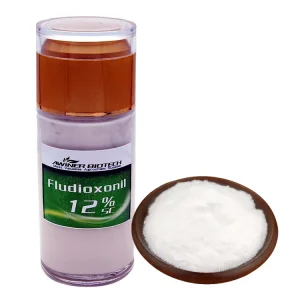
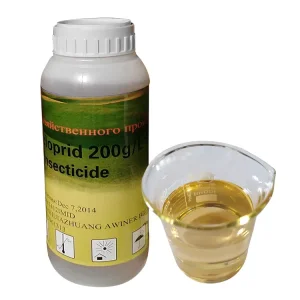
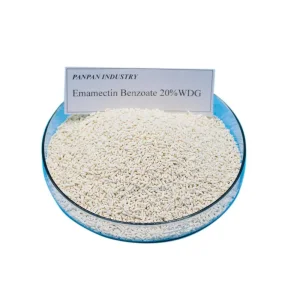
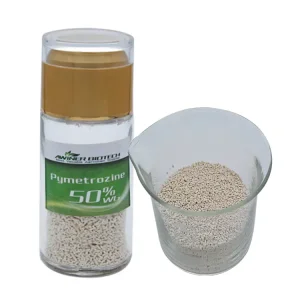
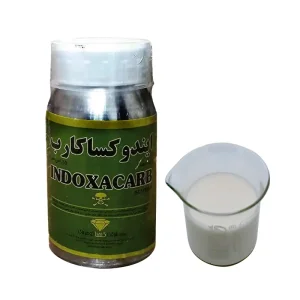
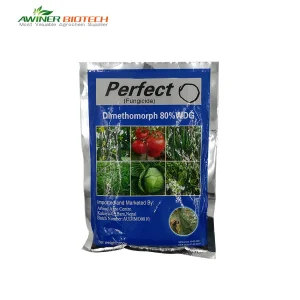
Explore our primary export-grade insecticidal and crop protection formulations engineered for high bio-efficacy and field stability.
The global agricultural pest control landscape is undergoing a structural transition driven by biological resistance challenges, tightening international environmental regulations, and an increasing need for food security across growing demographic centers. Modern enterprise procurement strategies require more than basic active ingredient sourcing; they demand integrated chemical synthesis partner ecosystems, sophisticated formulation technologies, and end-to-end regulatory transparency.
China stands at the core of the global agrochemical production network, accounting for over 70% of active ingredient (AI) synthesis capacity and specialized formulation output worldwide. The combination of complete upstream supply chain integration—from elemental phosphorus, chlorine, and basic petrochemical intermediates to complex heterocyclic molecules—allows Chinese manufacturing hubs to provide unmatched scalability, price resilience, and continuous formulation innovations.
When evaluating an insecticide manufacturer China factory, multinational buyers must look beyond initial FOB pricing. Essential criteria include technical grade (TC) purity percentages, particle size distribution in solid formulations (WDG/WP), emulsion stability in EC/SC systems, and full GLP (Good Laboratory Practice) analytical data packages necessary for local regulatory dossiers.
The transition from legacy EC (Emulsifiable Concentrate) and WP (Wettable Powder) formulations toward eco-friendly, high-efficiency delivery systems like WDG (Water Dispersible Granules), SC (Suspension Concentrate), and FS (Flowable Concentrate for Seed Treatment) represents a core competitive edge of advanced Chinese factories.
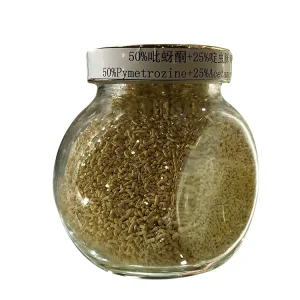
Utilizing high-pressure fluid bed granulators, modern Chinese production lines achieve uniform particle size distribution (200 mesh to 400 mesh equivalence upon dispersion). This ensures rapid disintegration within 30–60 seconds, zero nozzle clogging, and enhanced bio-availability for systemic compounds like Pymetrozine 50% + Acetamiprid 25% WDG.
For seed treatment applications such as Thiamethoxam 35 FS, ultra-fine wet milling reduces active ingredient particles to sub-micron dimensions. Specialized film-forming polymer additives ensure dust-free seed coating, superior adhesion, and controlled systemic uptake during early germination stages.
Resistance management requires multi-site modes of action. Leading Chinese manufacturers engineer stable binary and ternary premixes that combine fast knock-down pyrethroids or neonicotinoids with selective feeding blockers or biological control agents (e.g., Bacillus thuringiensis kurstaki).
| Formulation Type | Physical State | Key Technical Parameters | Primary Agronomic / Application Advantages |
|---|---|---|---|
| WDG / DF (Water Dispersible Granules) | Solid Granules | Disintegration < 60s; Wet sieve test (44µm) > 98%; Dust free | High bio-efficacy, reduced transport freight cost, zero dust exposure for operators. |
| FS (Flowable Seed Treatment) | Viscous Liquid | Particle size D90 < 5µm; Uniform coating; Seed safety certified | Systemic root uptake protection against subterranean pests and early sucking insects. |
| SL / SC (Suspension Concentrate) | Liquid Suspension | Suspensibility > 90%; Viscosity stability -5°C to 54°C | Solvent-free or low-VOC eco-friendly option, high rainfastness, easy tank-mixing. |
| Bait / Gel (Public Health) | Semi-solid / Bait | Attractant longevity > 90 days; Active moisture retention | Precision vector and rodent control (e.g., Brodifacoum gel/bait systems). |
A rigorous understanding of International Insecticide Resistance Action Committee (IRAC) classifications is essential for strategic purchasing directors. Sourcing from a comprehensive China factory allows buyers to build balanced product portfolios containing complementary modes of action.
Key Molecules: Thiamethoxam, Acetamiprid, Imidacloprid
Mode of Action: Agonists at the nicotinic acetylcholine receptor (nAChR), causing continuous nerve stimulation, paralysis, and pest mortality. Highly effective against hemipteran species including aphids, whiteflies, leafhoppers, and planthoppers.
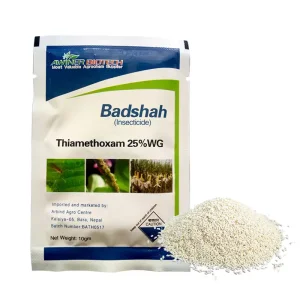
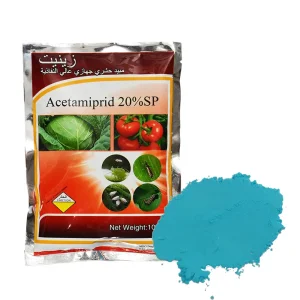
Formulation Highlights: High systemic acropetal translocation via xylem tissues makes Thiamethoxam 25% WDG and Acetamiprid 20% SP optimal choices for both foliar spray and soil drenching applications.
Key Molecules: Pymetrozine
Mode of Action: Modulates chordotonal stretch receptor organs, immediately stopping pest feeding within minutes of ingestion or contact, leading to starvation without neurotoxic knock-down.
Synergistic Advantage: Combined in Pymetrozine 50% + Acetamiprid 25% WDG to deliver instant knock-down alongside long-lasting feeding suppression, ideal for managing resistant brown planthopper (BPH) in rice fields.
Key Active: Bacillus thuringiensis kurstaki (Btk)
Mode of Action: Produces Delta-endotoxin crystal proteins that dissolve in the alkaline midgut of lepidopteran larvae, forming pores that disrupt gut cell osmotic balance.
Application Focus: Crucial for organic residue-free agriculture, targeted control of Tuta absoluta, diamondback moth, and cotton bollworm without harming beneficial predators or pollinators.
Key Molecule: Emamectin Benzoate
Mode of Action: Binds to glutamate-gated chloride channels, enhancing membrane permeability to chloride ions, causing irreversible muscular paralysis.
Manufacturing Standards: High-grade Emamectin Benzoate 70% TC and 5% WDG formulations provide rapid translaminar movement, protecting leaf tissue internally from leafminers and armyworms.
Agricultural productivity varies significantly across global climate zones. China manufacturers provide customized chemical solutions matched to regional pest complexes, soil conditions, and spray equipment setups.
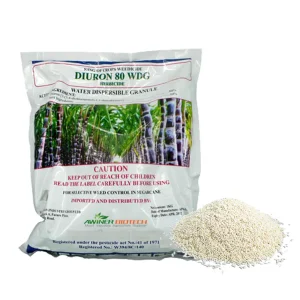
Broadacre farming requires economical, high-throughput treatments. Utilizing tank-mix compatible combination products such as Thidiazuron + Diuron powder or systemic insecticides protects high-yield crops against early weed competition and sap-sucking insect infestations.
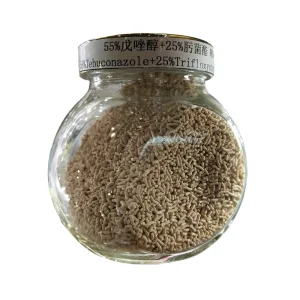
Fruit orchards require low-residue, highly selective chemistry to prevent mite resurgences. Formulations combining broad-spectrum fungicides like Tebuconazole 50% + Trifloxystrobin 25% DF with low-toxicity insecticides safeguard leaf canopy health and fruit finish aesthetics.
Urban sanitation and vector management demand specialized rodenticides and vector control chemicals. Brodifacoum 0.005% Bait & Gel formulations utilize single-feed anticoagulant mechanisms to manage resistant rodent populations across municipal, industrial, and agricultural storage environments.
Founded in 2006, Awiner Biotech is located in northern China at Shijiazhuang, Hebei Province, in close proximity to China's capital, Beijing. Supported by convenient logistical access to Tianjin Port and major transportation networks, Awiner Biotech is dedicated to the research, synthesis, formulation, and global distribution of premier agrochemicals.
Our operational scope encompasses a complete portfolio including selective and non-selective insecticides, broad-spectrum herbicides, protective and curative fungicides, plant growth regulators (PGRs), and specialized public health pest control chemicals.
Up to now, Awiner Biotech has established robust long-term technical and commercial partnerships across more than 30 countries and regions worldwide:
Target Export Markets: Iraq, Iran, Afghanistan, Pakistan, India, Libya, Syria, Turkey, Yemen, Ukraine, Russia, Kazakhstan, Uzbekistan, Chile, Bolivia, Mexico, Brazil, Paraguay, Nigeria, Djibouti, Rwanda, Somalia, Malaysia, Cambodia, Nepal, Myanmar, and adjacent regional territories.
Awiner Biotech actively participates in key agrochemical exhibitions internationally to maintain close contact with market trends. Our team regularly exhibits in Turkey, Iran, Pakistan, Nigeria, Russia, Cambodia, Malaysia, Uzbekistan, and other key agricultural hubs.
We believe true service extends beyond shipping container fulfillment. Technical engineers from Awiner Biotech conduct on-site market inspections directly in our clients' countries to inspect field application performance, troubleshoot localized pest resistance, and analyze crop response conditions firsthand.
Sourcing bulk pesticides requires absolute chemical integrity and strict adherence to international safety guidelines. Leading China chemical suppliers maintain strict quality control (QC) procedures through multi-stage laboratory testing.
Every raw material batch undergoes High-Performance Liquid Chromatography (HPLC) and Gas Chromatography (GC) analysis to verify chemical purity and confirm that impurity profiles meet strict FAO/WHO specifications.
Finished goods undergo rigorous testing for suspension rate, emulsion stability, persistent foaming, wet sieve limits, and thermal storage stability (at 54°C for 14 days) to ensure zero phase separation or crystal growth during transit.
To assist global distributors with local Ministry of Agriculture registrations, qualified Chinese factories provide comprehensive regulatory packages including ICAMA certificates, COA, MSDS, product composition declarations, and GLP analytical data.
Answers to critical questions asked by procurement officers, agronomists, and chemical importers when partnering with a Chinese insecticide manufacturer.
Explore additional advanced crop protection, biological vector control, and active ingredient options available for bulk procurement.
 Awiner Biotech