Explore our industrial-grade active ingredients and optimized co-formulations engineered for maximum biological efficacy and global regulatory compliance.
Isoprocarb, chemically identified as 2-isopropoxyphenyl methylcarbamate (MIPC) (CAS No. 2631-40-5), stands as a cornerstone active ingredient in global agrochemical pest management frameworks. Operating primarily as a rapid-acting carbamate insecticide with strong contact and stomach action, Isoprocarb has maintained vital strategic importance across international agricultural supply chains. Designed to target persistent sap-feeding hemipteran pests—most notably planthoppers and leafhoppers in cereal production—Isoprocarb acts via reversible inhibition of the acetylcholinesterase (AChE) enzyme within insect central nervous systems.
As major agricultural regions confront mounting chemical resistance against synthetic pyrethroids and select neonicotinoids, wholesale distributors, multinational agrochemical brand owners, and sovereign agricultural ministries are increasingly re-evaluating Isoprocarb's rotational efficacy. This technical whitepaper delves into the industrial synthesis dynamics, global application parameters, manufacturing innovations under Industry 4.0 standards, and procurement criteria essential for enterprise B2B purchasing decisions.
IUPAC Name: 2-isopropoxyphenyl methylcarbamate | CAS Number: 2631-40-5 | Molecular Formula: C11H15NO2 | Molecular Weight: 193.24 g/mol
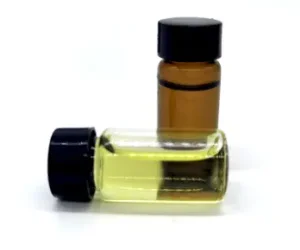
Appearance: White crystalline solid (TC) / Clear amber liquid (EC) | Melting Point: 88°C – 93°C
Solubility: Low in water (approx. 0.25 g/L at 20°C); highly soluble in organic solvents including acetone, methanol, xylene, and ethyl acetate.
Isoprocarb functions by binding to the active site of the acetylcholinesterase (AChE) enzyme at synaptic junctions. By preventing the breakdown of the neurotransmitter acetylcholine, it leads to rapid accumulation of acetylcholine, causing continuous nerve impulse transmission, violent muscular tremors, swift paralysis, and ultimate death of the targeted insect pest. Unlike organophosphates, carbamylation of AChE by Isoprocarb is spontaneously reversible over time, making immediate lethal dose accumulation via contact contact critical.
In modern Integrated Pest Management (IPM) protocols, Isoprocarb serves as an indispensable rotational partner. The continuous overuse of single-site mode-of-action pesticides (such as imidacloprid, thiamethoxam, or pyrethroids) has led to documented field resistance in species like the Brown Planthopper (Nilaparvata lugens) and Green Leafhopper (Nephotettix cincticeps). Incorporating Isoprocarb into rotational spray regimens effectively breaks resistance cycles, safeguarding overall crop yield security without escalating environmental chemical toxicity.
As a premier wholesale manufacturer, our facilities produce tailored Isoprocarb formulations designed to optimize bio-availability, droplet retention, and rainfastness under tropical and temperate field conditions:
| Formulation Type | Active Ingredient Concentration | Primary Target Pests | Key Performance Characteristics |
|---|---|---|---|
| Isoprocarb Technical (TC) | 95% TC - 98% TC | Raw material for manufacturing | High chemical purity, minimal isomer impurities, superior raw stability. |
| Emulsifiable Concentrate (EC) | 20% EC, 50% EC | Rice Planthoppers, Leaf miners, Bugs | Rapid foliage penetration, excellent emulsion stability in hard water. |
| Wettable Powder (WP) | 50% WP | Greenhouse Pests, Citrus Leafhoppers | High suspension rate (>85%), zero solvent-induced phytotoxicity risks. |
| Granules (GR) | 5% GR | Paddy Soil Pests, Stem Borers | Controlled release dynamics, root systemic uptake capability. |
| Combination Mixtures (EC/WP) | Isoprocarb + Buprofezin / Imidacloprid | Complex Multi-stage Hopper Outbreaks | Dual action: Immediate adult knockdown combined with chitin synthesis inhibition (nymph growth regulation). |
The global demand for wholesale Isoprocarb is governed by specific regional agricultural conditions, climate trends, and pest outbreak pressures:
The modern agrochemical manufacturing landscape demands absolute reliability in chemical purity, safety compliance, environmental responsibility, and international supply chain agility. Our manufacturing ecosystem in Shijiazhuang, Hebei Province, exemplifies China's Industry 4.0 transformation within the fine chemical sector.
Through robust backward integration with regional petrochemical suppliers for core intermediates—specifically o-isopropylphenol and methyl isocyanate precursors—our production lines maintain uninterrupted manufacturing capacity even during global chemical raw material supply fluctuations. This vertical integration directly translates into stable wholesale pricing structures and dependable lead times for enterprise importers.
Our production facilities utilize fully automated, closed-loop continuous reaction technologies monitored by Distributed Control Systems (DCS). This eliminates human error, ensures precise temperature and pressure control during carbamylation reactions, and suppresses byproduct formation. Each batch undergoes rigorous Gas Chromatography (GC) and High-Performance Liquid Chromatography (HPLC) screening to verify active ingredient concentration, moisture levels, and acidity profiles in compliance with FAO/WHO standard specifications.
Isoprocarb is classified as a hazardous chemical for international transport (DG Class 6.1, UN 2757 / UN 2992). Our dedicated export operations team manages complete dangerous goods logistics compliance—ranging from UN-approved steel drums, HDPE containers, and customized COEX bottles to full IMDG code maritime documentation, Certificate of Analysis (COA), Safety Data Sheets (SDS in 10+ languages), and ICAMA registration support for seamless customs clearance worldwide.
Delivering uncompromised chemical quality, scalable OEM/ODM packaging, and full regulatory dossier support.
Advanced synthesis control ensures minimum 98% TC purity, eliminating toxic impurities and ensuring maximum biological activity in all formulated products.
Strategic proximity to major northern China shipping ports guarantees flexible container loading, UN-certified hazardous packaging, and reliable shipping schedules.
We provide complete regulatory registration assistance, including GLP toxicity studies, efficacy reports, ICAMA certificates, and detailed COAs to simplify local product registration.
Bridging Chinese manufacturing power with local agricultural needs around the globe.
Awiner Biotech was founded in 2006, located in the north of China—Shijiazhuang, Hebei Province. The city is close to our capital Beijing, with convenient transportation hubs connecting us seamlessly to major international ports. Awiner Biotech is deeply committed to researching, producing, and distributing premium agrochemicals across international markets. We specialize comprehensively in insecticides, herbicides, fungicides, plant growth regulators, and public health pesticides.
Up to now, we have won trusted long-term clients across more than 30 nations, including Iraq, Iran, Afghanistan, Pakistan, India, Libya, Syria, Turkey, Yemen, Ukraine, Russia, Kazakhstan, Uzbekistan, Chile, Bolivia, Mexico, Brazil, Paraguay, Nigeria, Djibouti, Rwanda, Somalia, Malaysia, Cambodia, Nepal, Myanmar, and beyond.
We actively participate in key international agrochemical exhibitions across Turkey, Iran, Pakistan, Nigeria, Russia, Cambodia, Malaysia, and Uzbekistan. Furthermore, our agronomists travel directly to customer countries to perform field inspections, evaluate localized pest conditions, optimize tank mixes, and address real-world application challenges alongside our distribution partners.
Direct answers regarding Isoprocarb specifications, usage protocols, stability, and commercial contract manufacturing.
Explore our extensive biological, public health, and plant growth regulator options.
 Awiner Biotech