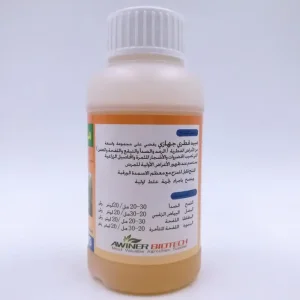
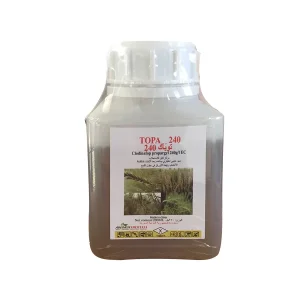
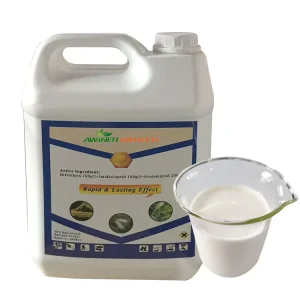
Post-harvest agricultural decay represents one of the most critical structural vulnerabilities in the global food supply chain. According to statistics from the Food and Agriculture Organization (FAO), approximately 25% to 45% of harvested fresh produce, fruits, and vegetables are lost globally before reaching the consumer, primarily due to fungal pathogens such as Penicillium digitatum (green mold), Penicillium expansum (blue mold), Botrytis cinerea (gray mold), Monilinia fructicola (brown rot), and Colletotrichum spp. (anthracnose).
Industrial post-harvest fungicides rely on distinct biochemical pathways to suppress fungal germination, germ tube elongation, and mycelial expansion during storage, transit, and retail distribution.
| Chemical Class | Key Active Ingredients | Primary Target Pathogens | Biochemical Mode of Action |
|---|---|---|---|
| Phenylpyrroles | Fludioxonil | Botrytis cinerea, Penicillium spp., Rhizopus stolonifer | Inhibits osmoregulatory MAP kinase cascade; disrupts transport-associated phosphorylation. |
| Anilinopyrimidines | Pyrimethanil, Cyprodinil | Penicillium expansum, Botrytis spp. | Inhibits methionine biosynthesis and secretion of cell wall degrading enzymes. |
| Imidazoles (DMIs) | Imazalil, Prochloraz | Penicillium digitatum, Penicillium italicum | Inhibits C-14 demethylation in ergosterol biosynthesis, destabilizing cell membrane integrity. |
| Phenylamides | Metalaxyl / Metalaxyl-M | Phytophthora citrophthora, Pythium spp. | Inhibits RNA polymerase I, arresting ribosomal RNA synthesis in Oomycetes. |
| Strobilurins (QoIs) | Azoxystrobin, Trifloxystrobin | Colletotrichum gloeosporioides, Alternaria spp. | Blocks mitochondrial respiration by binding to the Qo site of cytochrome b. |
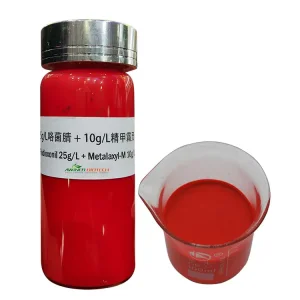
Modern B2B crop protection buyers increasingly source dual-action formulations—such as Fludioxonil + Metalaxyl-M or Imazalil + Pyrimethanil. Combining different Modes of Action (MoA) drastically mitigates pathogen resistance development while widening the spectrum of efficacy across diverse post-harvest rot complexes.
In high-export regions such as Spain, Turkey, Brazil, and Argentina, citrus fruit undergo post-harvest drenches or wax emulsion coatings within 24 hours of harvest. Active ingredients like Imazalil and Pyrimethanil are integrated into packinghouse flume lines to combat Penicillium digitatum (green mold) and prevent decay during transit to North American and Asian consumer markets.
Apples and pears stored under Controlled Atmosphere (CA) conditions for 6 to 11 months require pre-storage thermofogging or ultra-low volume (ULV) misting. Formulations featuring Fludioxonil prevent Penicillium expansum blue mold rot and patulin mycotoxin accumulation, preserving fruit firmness and visual appeal.
Peaches, plums, and cherries exported across sea routes are vulnerable to Monilinia fructicola (brown rot) and Rhizopus leakage. High-speed inline dip systems using precise concentrations of targeted fungicides maintain structural skin integrity and prevent soft decay outbreaks.
Mangoes, avocados, and papayas destined for long-haul air and ocean freight are subject to latent Colletotrichum (anthracnose) infections. Systemic strobilurin and triazole dips combined with biological post-harvest rinses extend shelf life under high-humidity transit conditions.
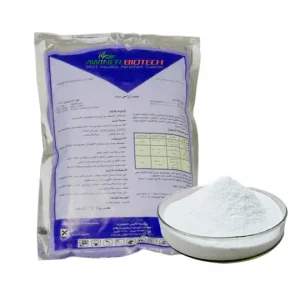
Awiner Biotech was founded in 2006, located in the north of China—Shijiazhuang, Hebei Province. The city is close to our capital Beijing, ensuring convenient transportation and robust logistical infrastructure.
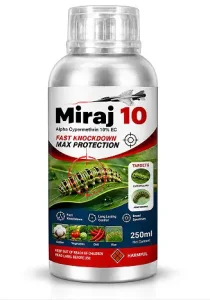
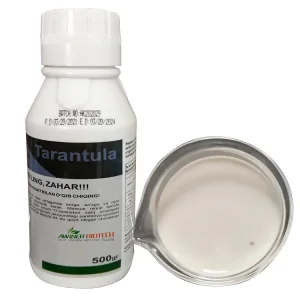
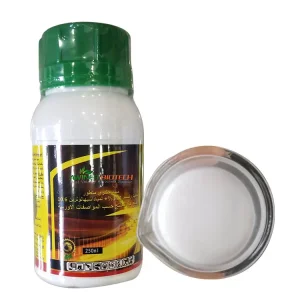
Awiner Biotech is committed to research, production, and distribution of premium agrochemicals. We specialize in comprehensive crop protection portfolios including pesticides, herbicides, fungicides, plant growth regulators (PGRs), and public health pesticides.
Our dedicated regulatory compliance teams and technical R&D labs ensure that every batch of chemical technical grade (TC) and formulated product (EC, SC, WP, WDG, SL) meets international FAO/WHO standards.
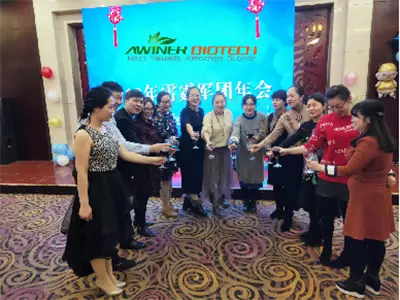
Up to now, we have won trusted customers and strategic supply relationships across more than 30 countries and regions worldwide:
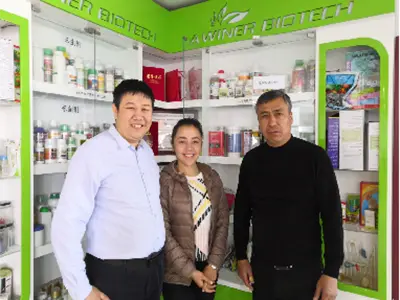
Global Exhibitions: Awiner Biotech actively participates in major global agrochemical conventions in Turkey, Iran, Pakistan, Nigeria, Russia, Cambodia, Malaysia, Uzbekistan, and South America to present our newest pesticide and post-harvest technology.
Customer Field Surveys: We regularly visit our global clients' agricultural facilities to conduct market inspections, analyze regional pest/decay challenges, optimize dosage regimens, and provide tailored technical support. Likewise, international buyers frequently visit our modern production plants and testing laboratories in Shijiazhuang.
The post-harvest crop protection sector is undergoing rapid technological evolution, driven by regulatory tightening around synthetic residues and growing consumer demand for sustainable produce safety.
Advanced nano-encapsulation techniques allow active fungicides to be released steadily over extended 90+ day cold storage cycles. This minimizes initial chemical load while maintaining protective thresholds deep into the shipping timeline.
Integration of beneficial strains like Bacillus subtilis, Trichoderma harzianum, and bio-based essential oil complexes (such as thymol and carvacrol) offers zero-residue (0-MRL) protection, ideal for organic supply chains.
Automated dosing devices connected to sensor-equipped storage rooms monitor volatile organic compounds (VOCs) emitted by early fungal rot, automatically triggering targeted micro-fogging cycles.
Achieving zero post-harvest spoilage requires an end-to-end operational protocol that pairs active chemical intervention with cold-chain engineering and sanitation hygiene.
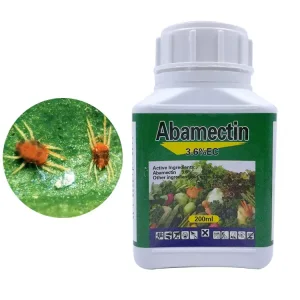
Controlling latent spore counts in the field prior to harvest using preventative fungicide sprays (e.g., Triadimenol, Abamectin combinations) significantly reduces initial fungal inoculum transferred to the packinghouse.
Re-circulated post-harvest flume water must be continuously sanitized with chlorine dioxide or peracetic acid, followed by precise active ingredient dips (Fludioxonil + Metalaxyl-M) to protect field micro-wounds.
Automated thermal fogging inside bulk storage rooms ensures 360-degree chemical coverage across stacked crates without re-wetting fruit, reducing humidity-induced mold sporulation.
 Awiner Biotech