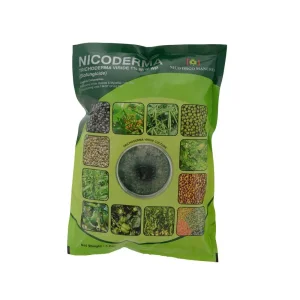
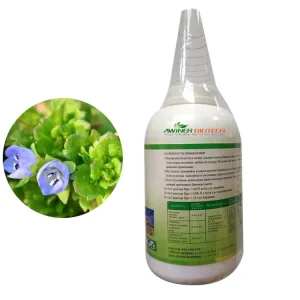
Explore our specialized formulations, pre-emergent and post-emergent solutions manufactured under strict international quality control protocols.
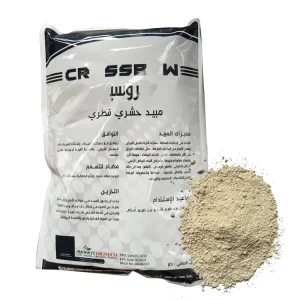
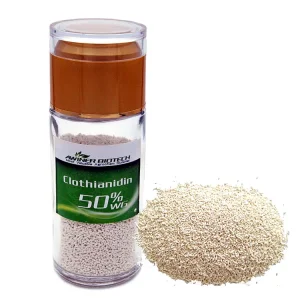
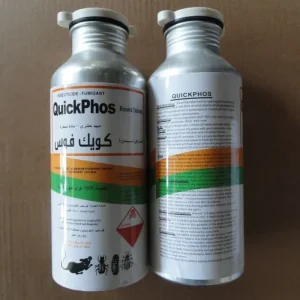

An authoritative analysis on selective weed management strategies, raw material pricing structures, and sustainable agricultural practices.
In modern commercial agriculture, the demand for high-efficiency, targeted crop protection agents has propelled selective herbicides to the forefront of global agrochemical procurement. Unlike total burn-down herbicides like glyphosate or paraquat, selective herbicides possess precise biochemical mechanisms that eliminate target weed species (such as broadleaf weeds or annual grasses) without inflicting metabolic harm on cash crops like maize, wheat, rice, soybeans, and cotton.
Driven by rising global population demands, labor shortages in traditional weeding, and the rapid expansion of no-till farming practices, the worldwide market for selective herbicides is experiencing structural expansion. Modern industrial buyers, ranging from national distributors to enterprise-scale agricultural conglomerates, require not only competitive wholesale pricing but also unyielding chemical purity, regulatory backing, and custom formulation support.
Agricultural operations are shifting away from broad-spectrum post-emergent clearance toward target-specific pre-emergent and post-emergent selective treatments to preserve crop yield and maintain soil biodiversity.
Shift from solvent-heavy Emulsifiable Concentrates (EC) toward eco-friendly Water Dispersible Granules (WDG), Suspension Concentrates (SC), and Microencapsulated Suspensions (CS) for reduced environmental drift.
Growing prevalence of weed resistance (such as Palmer amaranth and rigid ryegrass) drives demand for multi-mode-of-action (MoA) premixes, combining ALS inhibitors, ACCase inhibitors, and synthetic auxins.
To establish a resilient weed control program, procurement directors and agronomists must classify active ingredients according to their Herbicide Resistance Action Committee (HRAC) modes of action. Understanding these mechanisms ensures effective rotational strategies, optimal crop yield protection, and price-to-performance optimization.
| HRAC / WSSA Group | Mode of Action (MoA) | Representative Active Ingredients | Target Spectrum | Primary Target Crops |
|---|---|---|---|---|
| Group 2 (ALS Inhibitors) | Inhibits acetolactate synthase, halting branched-chain amino acid synthesis. | Tribenuron-methyl, Metsulfuron-methyl, Nicosulfuron | Broadleaf weeds, select grasses | Wheat, Barley, Corn, Rice |
| Group 1 (ACCase Inhibitors) | Blocks acetyl-CoA carboxylase, stopping fatty acid synthesis in grasses. | Clodinafop-propargyl, Clethodim, Haloxyfop-P-methyl | Annual & Perennial Grasses | Soybeans, Cotton, Canola, Broadleaf Crops |
| Group 4 (Synthetic Auxins) | Mimics indoleacetic acid (IAA), causing uncontrolled cellular proliferation. | 2,4-D, Dicamba, MCPA, Fluroxypyr | Deep-rooted Broadleaf Weeds | Cereal Grains, Corn, Pastures, Sugarcane |
| Group 14 (PPO Inhibitors) | Inhibits protoporphyrinogen oxidase, disrupting cellular membranes via light. | Oxyfluorfen, Oxadiazon, Flumioxazin | Pre-emergence & Post-emergence broadleafs | Orchards, Rice, Vegetables, Turf |
| Group 5 / 6 (Photosystem II) | Disrupts electron transport in photosynthesis, generating oxidative stress. | Atrazine, Metribuzin, Bentazon | Broadleaf & certain grass weeds | Corn, Sorghum, Sugarcane, Soybeans |
Achieving zero-yield-loss fields requires a dual-stage chemical management protocol:
Acquiring bulk selective herbicides directly from Chinese factories and synthesis plants requires a rigorous understanding of manufacturing cost structures, raw technical material (TC) pricing, and supply chain logistics.
The baseline pricing of formulated herbicides (SC, WDG, EC) is governed by the global market price of high-purity Technical Materials (95% to 98% TC). Higher active purity guarantees lower toxic byproduct isomer content and better emulsion stability.
Bulk packaging (200L drums, 1000L IBC totes, 25kg bags) offers maximum cost savings per liter. Retail-ready co-packing (100ml, 1L PET/COEX bottles, water-soluble bags) requires specialized high-speed filling lines and barrier materials.
Herbicides classified under UN Hazardous Goods (Class 9 or Class 3) require specialized UN-certified drums, IMO compliance, and flexible freight planning to mitigate international shipping price fluctuations.
Verified Manufacturer & Agrochemical Solutions Partner
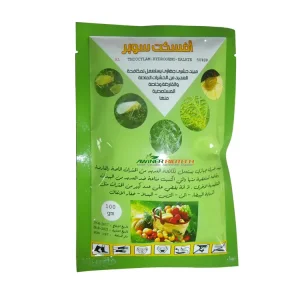
Awiner Biotech was founded in 2006, located in north of China-Shijiazhuang, Hebei Province. The city is close to our capital Beijing, transportation is convenient. Awiner Biotech is committed to research, produce and distribute agrochemicals. mainly deal with pesticides, herbicides, fungicides, plant growth regulator and public health pesticides.
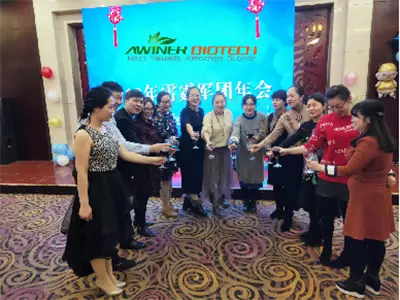
Up to now, we have win customers from Iraq, Iran, Afghanistan, Pakistan, India, Libya, Syria, Turkey, Yemen, Ukraine, Russia, Kazakhstan, Uzbekistan, Chile, Bolivia, Mexico, Brazil, Paraguay, Nigeria, Djibouti, Rwanda, Somalia, Malaysia, Cambodia, Nepal, Myanmar and so on.
Our countries participating in the exhibition are Turkey, Iran, Pakistan, Nigeria, Russia, Cambodia, Malaysia, Uzbekistan, etc.
We go to the customer's country to conduct market inspections, analyze and solve problems for them, understand their product usage, and customers will also visit us.
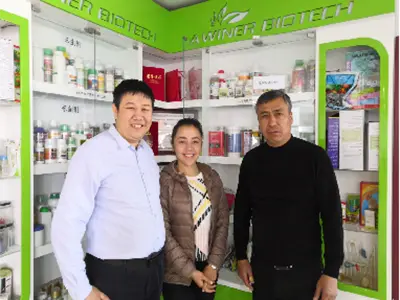
Up to now, we have win customers from Iraq, Iran, Afghanistan, Pakistan, India, Libya, Syria, Turkey, Yemen, Ukraine, Russia, Kazakhstan, Uzbekistan, Chile, Bolivia, Mexico, Brazil, Paraguay, Nigeria, Djibouti, Rwanda, Somalia, Malaysia, Cambodia, Nepal, Myanmar and so on..
Navigating agricultural chemical registrations demands rigorous compliance documentation customized for local Ministries of Agriculture across South America, Eastern Europe, Africa, the Middle East, and Southeast Asia.
We provide complete ICAMA registration packages including 5-batch analysis reports, acute toxicity studies, environmental risk assessments, and GLP-certified analytical data.
All finished formulations are verified against FAO and WHO specifications, ensuring precise active constituent concentration, minimal wet-sieve residue, maximum suspensability, and long-term shelf stability.
Advanced selective herbicide blends incorporate chemical safeners (such as Isoxadifen-ethyl or Cloquintocet-mexyl) to enhance enzymatic metabolism in primary crops while preserving 100% lethality against targeted weeds.
As regulatory scrutiny on chemical residues increases globally, the agrochemical manufacturing sector is undergoing rapid technological evolution. The future of selective weed control rests upon three pillar innovations:
Microcapsule Suspension (CS) formulations encapsulate active volatile compounds inside polymeric micro-shells. This enables controlled release over 30-60 days, drastically reducing active ingredient dosage per hectare and minimizing environmental leaching.
Ultra-Low Volume (ULV) spraying via agricultural drones requires anti-evaporation additives, modified surface tension, and reduced drift properties to ensure maximum foliar adhesion during aerial application.
Integrating naturally derived botanical extracts and microbial metabolites into selective synthetic formulations to delay weed resistance development and lower chemical footprint per field cycle.
Expert answers to standard technical, commercial, and regulatory questions from global ag-chemical buyers.
Explore our extended portfolio of agrochemical manufacturing solutions for commercial farming and public health management.
 Awiner Biotech