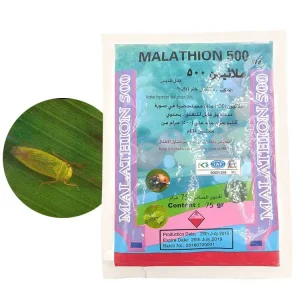
Direct factory prices and engineered formulations for high-potency thrips, aphid, and foliage pest control.
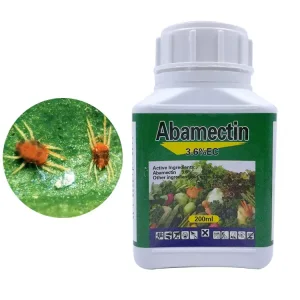
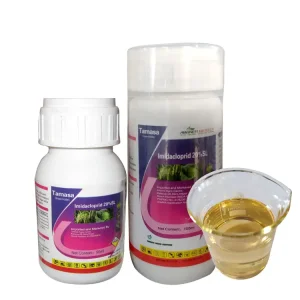
An Industrial Guide for B2B Importers, Agrochemical Distributors, and Large-Scale Agricultural Operations
Thrips (order Thysanoptera), particularly species such as Western Flower Thrips (Frankliniella occidentalis), Onion Thrips (Thrips tabaci), and Chilli Thrips (Scirtothrips dorsalis), represent one of the most economically devastating insect vector threats in modern high-density agriculture. Characterized by their rasping-sucking mouthparts, high reproductive rate, rapid generation cycles, and extraordinary capacity to develop metabolic target-site resistance, thrips inflict both direct mechanical foliage scarification and indirect viral transmission (e.g., Tomato Spotted Wilt Virus - TSWV, and Impatiens Necrotic Spot Virus - INSV).
Information Gain Insight: Modern thrips management has transcended single-active chemical spraying. Commercial agricultural success now requires co-formulated active ingredients targeting multiple Insecticide Resistance Action Committee (IRAC) modes of action, coupled with specialized translaminar surfactants and systemic penetration chemistry.
Over the past decade, intensive application of organophosphates, pyrethroids, and early-generation neonicotinoids has driven widespread point mutations in thrips populations. Targeted resistance mechanisms include knock-down resistance (kdr) mutations in voltage-gated sodium channels and elevated cytochrome P450 monooxygenase activity that rapidly detoxifies single-active formulations.
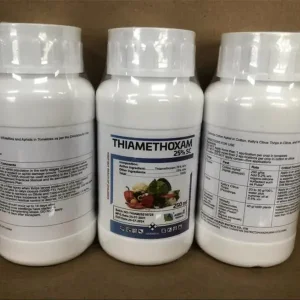
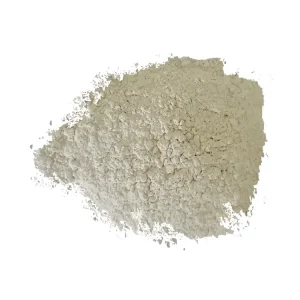
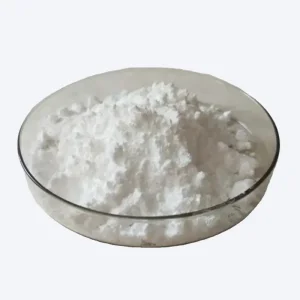
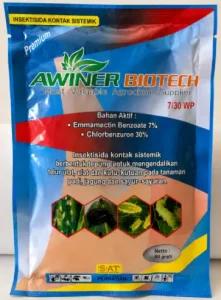
To overcome these biological defenses, leading OEM/ODM agrochemical manufacturers in China—such as Awiner Biotech—have engineered advanced synergy ratios. By combining translaminar macrocyclic lactones (such as Abamectin or Emamectin Benzoate) with systemic nicotinic acetylcholine receptor (nAChR) competitive modulators (such as Dinotefuran or Acetamiprid), agrochemical distributors can achieve complete mortality across larval, nymph, and adult life stages while delaying the onset of metabolic resistance.
Why Tier-1 Agrochemical Buyers Partner with Shijiazhuang Chemical Synthesis Hubs
China's chemical infrastructure enables complete backward integration from basic petroleum feedstocks to active ingredient technical (TC) synthesis. This shields global buyers from raw material volatility and ensures uninterrupted seasonal supply schedules for critical active ingredients like Abamectin TC, Acetamiprid TC, and Imidacloprid TC.
Modern production facilities utilize high-energy bead milling and fluid-bed granulation to produce Water Dispersible Granules (WDG), Suspension Concentrates (SC), and Microemulsions (ME) with ultra-fine particle sizes (d90 < 5 microns). This guarantees rapid dispersion, superior leaf cuticle adhesion, and zero spray nozzle clogging.
Through massive economies of scale and localized raw material access in Hebei and neighboring chemical parks, Chinese manufacturing hubs provide highly competitive FOB/CIF pricelists. Enterprise buyers gain up to 25–40% cost advantages over European and North American re-packers without sacrificing quality.
Scientific selection of modes of action for commercial spray programs and agricultural distribution
| Active Ingredient / Co-Formulation | IRAC Group | Primary Mode of Action | Target Life Stage | Key Application Strengths |
|---|---|---|---|---|
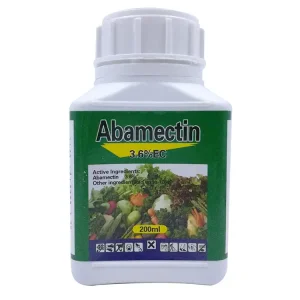
| Abamectin 1.8% / 3.6% EC | Group 6 | Glutamate-gated chloride channel allosteric modulators | Nymphs & Adults | Strong translaminar penetration into leaf tissue; fast knock-down with mite co-control. |
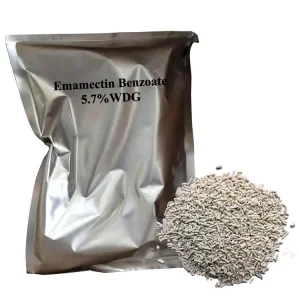
| Emamectin Benzoate 5% SC / 5.7% WDG | Group 6 | Chloride channel activators causing muscle paralysis | Larvae & Nymphs | Low application rate per hectare; excellent stability in high temperature environments. |
| Dinotefuran 10% + Imidacloprid 20% WP | Group 4A | Nicotinic acetylcholine receptor (nAChR) agonists | Adults & Leafhoppers | 3rd generation neonicotinoid synergy; rapid systemic root and foliage acropetal uptake. |
| Thiocyclam + Acetamiprid SP | Group 14 / 4A | Dual nerve channel blockage (Nereistoxin + nAChR) | Resistant Adults & Whiteflies | Bypasses single-site resistance; rapid feeding cessation prevents viral transmission. |
| Pyraclostrobin 20% + Tebuconazole 40% WDG | Group 11 / 3 | Mitochondrial electron transfer + sterol biosynthesis inhibitor | Fungal Secondary Infection | Controls secondary fungal pathogens (e.g., Botrytis, Powdery Mildew) colonizing thrip scars. |
Tailored agrochemical spray programs engineered for specific high-value agricultural ecosystems
Crops: Peppers, Cucumbers, Tomatoes, Eggplants.
Challenge: Micro-climates foster continuous multi-generational thrips breeding year-round.
Protocol: Alternate Abamectin 3.6% EC translaminar sprays with Dinotefuran 20% SL soil drenching to protect delicate blooms without phytotoxicity.
Crops: Export Roses, Chrysanthemums, Carnations.
Challenge: Zero tolerance for petal scarring or live insect export rejection at quarantine control.
Protocol: Apply Thiocyclam + Acetamiprid SP combined with organosilicone spreaders for systemic penetration inside tight flower buds prior to harvest.
Crops: Citrus, Mangoes, Avocados, Table Grapes.
Challenge: Early season thrip feeding causes silvering and ring-scarring on fruit skins, destroying market value.
Protocol: Early post-bloom tank-mix of Emamectin Benzoate 5% SC with Pyraclostrobin + Tebuconazole WDG for simultaneous pest and scab protection.
Crops: Cotton, Onions, Garlic, Soybeans.
Challenge: High acreage requires economic, highly concentrated spray solutions compatible with boom sprayers and drone aerial application.
Protocol: Ultra-concentrated Emamectin Benzoate 5.7% WDG applied via boom sprayer with high-volume drift-reducing adjuvants.
Maximizing efficacy while adhering to strict residue limits and resistance management frameworks
Sustainable agricultural supply chains require precise chemical rotation. Relying on a single mode of action rapidly selects for resistant thrips phenotypes within 2–3 generations. Awiner Biotech advocates a multi-tiered Integrated Pest Management (IPM) strategy:
Divide the crop growing season into 30-day treatment windows. Use Group 6 neurotoxins (Abamectin) in Window A, shift to Group 4A Systemics (Dinotefuran / Imidacloprid) in Window B, and utilize dual-action formulations (Thiocyclam + Acetamiprid) in Window C.
Thrips hide inside leaf sheaths and floral structures. Incorporating non-ionic organosilicone surfactants reduces surface tension to <21 mN/m, enabling spray droplets to creep into hidden plant cavities where standard water-based sprays fail to penetrate.
Epidermis wounds created by thrips feeding serve as vector sites for fungal spores. Tank-mixing systemic fungicides such as Pyraclostrobin 20% + Tebuconazole 40% WDG prevents secondary blight and anthracnose outbreaks.
B2B Wholesale Pricelist Factors, Regulatory Support, and Logistics Engineering
When purchasing wholesale thrips control chemicals from China manufacturers, commercial buyers must evaluate key sourcing variables that directly impact cost, shelf-life, and regulatory compliance:
Technical active purity (e.g., 95% TC vs 98% TC) directly determines formulation shelf-life and emulsification stability. Awiner Biotech conducts high-performance liquid chromatography (HPLC) testing on every batch to guarantee exact active content.
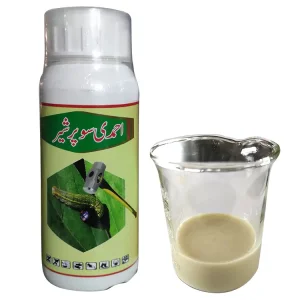
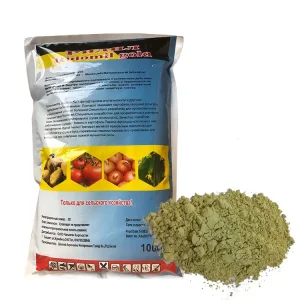
From 100ml Fluorinated HDPE Bottles (preventing panelling in solvent-based ECs) to 100g water-soluble foil sachets for WDG products, custom packaging with multi-language private labeling (OEM/ODM) is provided to meet local market regulations.
Importing agrochemicals requires strict regulatory compliance. We provide complete ICAMA registration dossiers, Certificate of Analysis (COA), MSDS, FAO specification compliance reports, and GLP toxicity test data to speed up market authorization.
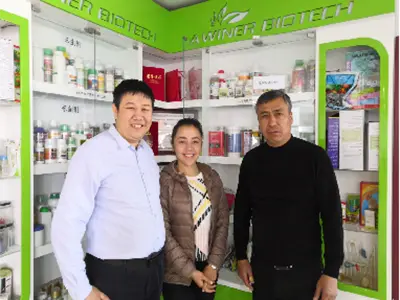
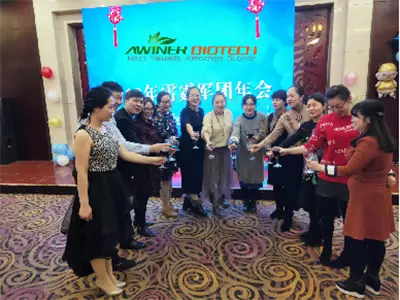
Awiner Biotech was founded in 2006, located in the northern chemical manufacturing core of Shijiazhuang, Hebei Province, adjacent to China's capital, Beijing. Convenient transportation links allow rapid container delivery to Tianjin Port for global dispatch.
Awiner Biotech is dedicated to the research, synthesis, formulation processing, and global distribution of high-performance agrochemicals. Our specialized product lines span insecticides, herbicides, fungicides, plant growth regulators (PGRs), and public health vector control solutions.
Up to now, we have established trusted long-term partnerships with agrochemical distributors across: Iraq, Iran, Afghanistan, Pakistan, India, Libya, Syria, Turkey, Yemen, Ukraine, Russia, Kazakhstan, Uzbekistan, Chile, Bolivia, Mexico, Brazil, Paraguay, Nigeria, Djibouti, Rwanda, Somalia, Malaysia, Cambodia, Nepal, Myanmar, and worldwide.
Technical clarity for commercial buyers, importers, and agronomists
Co-formulations combining translaminar macrocyclic lactones (such as Abamectin 3.6% EC or Emamectin Benzoate 5% SC) with systemic neonicotinoids (such as Dinotefuran or Acetamiprid) provide superior control. This dual mode of action attacks both the insect's nervous system and chloride channels, breaking single-target resistance mechanisms.
Direct sourcing from China manufacturers like Awiner Biotech typically offers a 25–40% cost efficiency. This is driven by complete backward chemical integration in China, local raw material synthesis, and high-volume automated formulation plants in Hebei and Shandong chemical zones.
For high-concentration EC formulations (e.g., Abamectin EC, Malathion EC), we utilize Fluorinated HDPE bottles or Co-extruded (COEX) multi-layer barrier bottles. These prevent solvent vaporization, container panelling, and wall degradation during sea transit across tropical climate zones.
Yes. We support our global partners with full technical registration packages, including Certificates of Analysis (COA), 2-year accelerated stability test reports, FAO specification compliance documents, MSDS, and 5-batch analysis reports under GLP guidelines.
Because thrips transmit TSWV within minutes of feeding, immediate knock-down is required. Apply a tank-mix of Thiocyclam + Acetamiprid SP at the first visual detection, followed by a second application 4–5 days later to destroy emerging soil nymphs before they acquire the virus.
Advanced bio-pesticides, systemic fungicides, and specialized plant growth regulators.
 Awiner Biotech