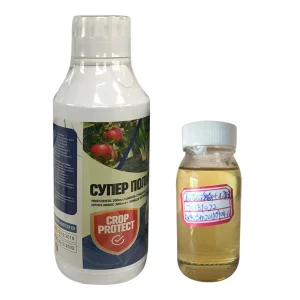
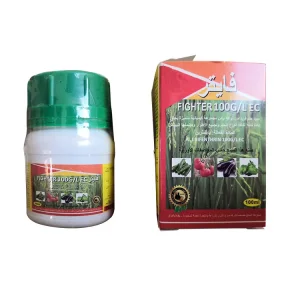
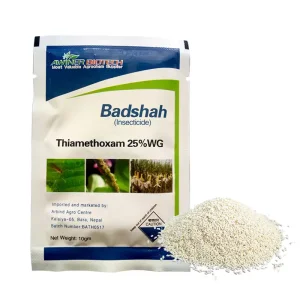
High-purity technical grade chemical compounds, specialized Emulsifiable Concentrates (EC), Water Dispersible Granules (WDG), and Suspension Concentrates (SC) manufactured for broad-spectrum crop protection.
Modern agribusiness faces unprecedented operational risks driven by destructive lepidopteran species, most notably the Fall Armyworm (Spodoptera frugiperda), Beet Armyworm (Spodoptera exigua), and Cotton Bollworm (Helicoverpa armigera). These voracious pests exhibit exceptional reproductive capacities, swift migratory capabilities, and high rates of metabolic detoxification. Determining what is the best insecticide for caterpillars requires a sophisticated understanding of pest bio-energetics, chemical mode of action (MoA), plant vascular dynamics, and climate-induced population surges.
Expert Insight: The efficacy of armyworm control no longer relies on heavy single-molecule knockdown applications. Modern Integrated Pest Management (IPM) demands rotational use of active ingredients across distinct IRAC (Insecticide Resistance Action Committee) classes to bypass target-site mutations and enhanced cytochrome P450 enzyme activity.
Pivotal modern chemistries such as Indoxacarb (IRAC 22A) and Chlorantraniliprole (IRAC 28) target voltage-gated sodium channels and ryanodine receptors, providing high larvicidal selectivity with zero cross-resistance to legacy organophosphates.
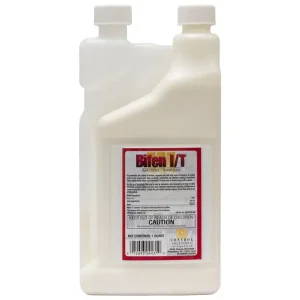
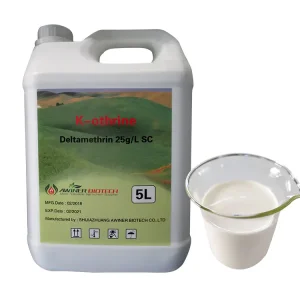
Pyrethroids like Bifenthrin and Deltamethrin provide instantaneous knockout actions. When formulated into high-efficiency Suspension Concentrates (SC) or combined with translaminar nerve poisons, they disrupt immediate feeding damage in early instars.
Translaminar active ingredients penetrate the leaf cuticle to form localized reservoirs, killing subterranean or leaf-rolling caterpillars hiding on the underside of foliage or deep inside corn whorls.
Data-driven performance metrics reflecting global crop loss risks and chemical mitigation efficiencies.
Evaluating technical-grade actives and commercial formulations based on speed of action, residual stability, IRAC classification, and crop toxicity risks.
| Active Ingredient | IRAC Group | Primary Mode of Action | Target Caterpillars / Armyworms | Residual Activity | Optimal Application Stage |
|---|---|---|---|---|---|
| Indoxacarb (95% TC, 30% WDG, 150g/L SC) | Group 22A | Voltage-gated sodium channel blocker (Pro-insecticide activated by bio-enzymes) | Fall Armyworm, Beet Armyworm, Cabbage Looper, Cotton Bollworm | 10 - 14 Days | Egg-hatching to 1st-3rd Instar Larvae |
| Bifenthrin (97% TC, 25% EC, 10% EC) | Group 3A | Sodium channel modulator causing axonic nerve hyperexcitation | Armyworm, Cutworms, Wireworms, Whiteflies, Mites | 7 - 10 Days | Early infestation onset / Emergency knockdown |
| Deltamethrin (2.5% EC) | Group 3A | Rapid membrane depolarization via sodium channels | Foliage-feeding caterpillars, Flea Beetles, Leafminers | 5 - 7 Days | Direct contact foliar spray |
| Profenofos + Lambda-Cyhalothrin (300+15 g/L EC) | Group 1B + 3A | Dual Action: Acetylcholinesterase inhibition + Axonic nerve disruption | Resistant Spodoptera frugiperda, Stem Borers, Thrips | 12 - 16 Days | High pest density breakout / Severe infestations |
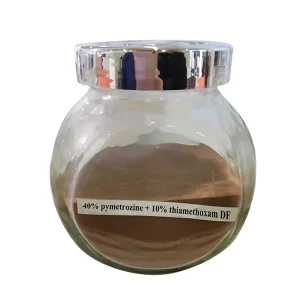
| Dinotefuran + Pymetrozine (20%+50% WDG) | Group 4A + 9B | Nicotinic acetylcholine receptor agonist + Chordotonal organ feeding blocker | Sap-sucking pests & co-existing lepidopteran vectors | 14 - 21 Days | Vegetative growth & Flowering phase |
The international B2B pesticide distribution market is shifting rapidly from low-grade commodity chemicals toward eco-efficient, high-concentration formulations. Large-scale enterprise growers in Latin America, North America, Southeast Asia, and Sub-Saharan Africa demand reliable formulation physics that ensure storage stability across variable climate extremes.
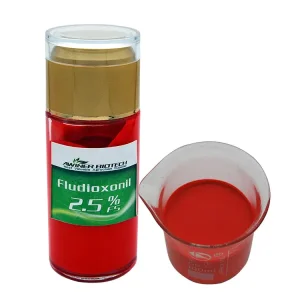
Global buyers are transitioning from high-VOC Emulsifiable Concentrates (EC) to Water Dispersible Granules (WDG), Suspension Concentrates (SC), and Flowable Seed Treatments (FS). Formulations like Indoxacarb 30% WDG and Fludioxonil 2.5% FS lower transport costs and reduce phytotoxicity hazards.
Cross-border agricultural supply chains require rigorous compliance with FAO/WHO specifications. Enterprise buyers look for full dossier support—including High-Performance Liquid Chromatography (HPLC) analytical certificates, CIPAC suspensibility tests, and complete MSDS documentation.
Commercial distributors require versatile packaging formats ranging from 100mL bottles to 1000L IBC totes. OEM custom labeling, anti-counterfeiting QR integration, and humidity-resistant outer cartons represent key competitive advantages.
As the global backbone of agrochemical active ingredient synthesis, China's modern manufacturing infrastructure has undergone a massive transformation under Industry 4.0 principles. Advanced automation, continuous-flow microreactors, and stringent environmental protection systems ensure high batch-to-batch purity and unshakeable supply continuity.
Supply Chain Advantage: Integrated raw material synthesis pipelines inside dedicated chemical industrial parks eliminate production bottlenecks, allowing manufacturers to maintain competitive price stability even during global logistics disruptions.
Automated catalytic reaction chambers ensure active ingredient purities exceeding 95% to 98% TC. Minimizing micro-impurities reduces crop phytotoxicity risks and increases environmental breakdown predictability.
Manufacturing clusters centered in Northern and Eastern China provide seamless access to major deep-water ports (Tianjin, Qingdao, Shanghai), ensuring rapid sea-freight dispatch and minimal turnaround times for bulk orders.
Effective armyworm management requires localized application methodologies tailored to crop canopy architectures, environmental temperatures, and regional pressure levels. Below are field-tested protocols for key agricultural sectors:
Fall Armyworms typically target the corn whorl. Apply Indoxacarb 150g/L SC or Bifenthrin 10% EC using high-pressure nozzle rigs angled directly into the whorl. Ensure application occurs during late afternoon when caterpillars move outward to feed.
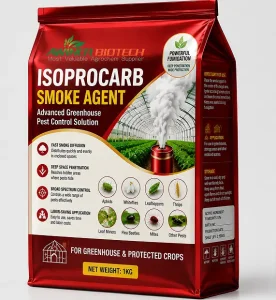
In enclosed horticultural environments, liquid foliar sprays often fail to penetrate dense foliage. Utilizing Isoprocarb Smoke Agents achieves 100% volumetric chamber saturation within 2 hours, eliminating hidden caterpillars and sucking pests without high moisture risks.
For complex pest complexes involving armyworms and thrips/aphids, combination sprays like Profenofos + Lambda-Cyhalothrin EC or Dinotefuran + Pymetrozine WDG provide dual knock-down and long residual protection.
Awiner Biotech was founded in 2006, located in north of China-Shijiazhuang, Hebei Province. The city is close to our capital Beijing, transportation is convenient. Awiner Biotech is committed to research, produce and distribute agrochemicals, mainly dealing with pesticides, herbicides, fungicides, plant growth regulator and public health pesticides.
Up to now, we have won loyal commercial clients across global markets including: Iraq, Iran, Afghanistan, Pakistan, India, Libya, Syria, Turkey, Yemen, Ukraine, Russia, Kazakhstan, Uzbekistan, Chile, Bolivia, Mexico, Brazil, Paraguay, Nigeria, Djibouti, Rwanda, Somalia, Malaysia, Cambodia, Nepal, Myanmar and beyond.
Awiner Biotech actively participates in prominent international agricultural expos to connect with regional distributors. Key exhibition countries include Turkey, Iran, Pakistan, Nigeria, Russia, Cambodia, Malaysia, and Uzbekistan.
We travel directly to our customer countries to conduct in-depth market inspections, analyze regional pest resistance trends, and solve technical application challenges. Likewise, international agricultural partners frequently visit our state-of-the-art facilities in Hebei.
For chemical control of Fall Armyworm, Indoxacarb (30% WDG or 150g/L SC) and chlorantraniliprole stand out as primary choices due to their low resistance profiles, powerful stomach action, and environmental safety for beneficial insects. However, for immediate emergency knockdowns during massive adult/larval outbreaks, tank-mixing or using dual-action formulations like Profenofos + Lambda-Cyhalothrin provides rapid lethal action.
Insecticide Resistance Management (IRM) requires rotating chemical classes with distinct IRAC Modes of Action every 30 days or across growing seasons. For instance, alternate between Group 22A (Indoxacarb), Group 3A (Bifenthrin/Deltamethrin), and Group 4A (Imidacloprid/Thiamethoxam) to prevent pest populations from developing metabolic resistance.
Isoprocarb smoke formulations generate fine airborne insecticidal particles that saturate hidden canopy spaces within 2 hours. This eliminates the need for manual liquid spraying, reduces greenhouse humidity levels (preventing fungal spore germination), and leaves zero hidden pests behind in protected crop structures.
Chinese agrochemical manufacturers offer unmatched supply chain integration, cost efficiency, and high-purity active ingredient synthesis under strict environmental standards. Awiner Biotech provides tailored registration support, custom packaging design, and complete lab testing verification (HPLC/CIPAC) to international commercial importers.
Targeting early instar larvae (1st to 3rd instar) yields the highest mortality rates before caterpillars enter deep whorls or soil layers. Spraying during early morning or late evening aligns with peak nocturnal feeding behavior and avoids high midday temperatures that cause chemical volatile breakdown.
Explore our full range of plant growth regulators, bio-fungicides, pre-emergence herbicides, and combination insecticides available for international factory-direct export.
 Awiner Biotech