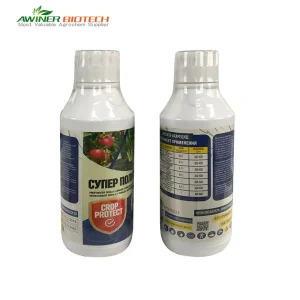
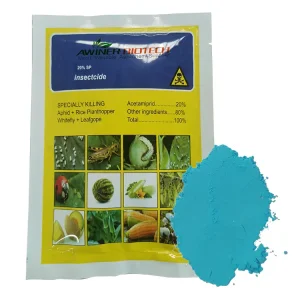
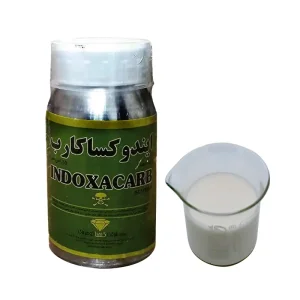
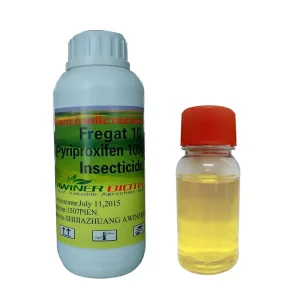
High-efficiency, climate-stabilized pesticide solutions crafted for extreme humidity, high rainfall, and resistant pest populations in Southeast Asia.
An in-depth analysis of crop dynamics, climatic conditions, vector challenges, and chemical supply integration across Peninsular and East Malaysia.
Malaysia’s equatorial climate presents a unique biological challenge. Characterized by high temperatures (ranging from 24°C to 32°C) and year-round relative humidity exceeding 80%, the environment serves as an ideal incubator for rapid insect breeding cycles. Crop protection strategies in Malaysia cannot rely on seasonal freezes to naturally depress pest pressure. Consequently, crop managers across Sabah, Sarawak, and Peninsular Malaysia face persistent infestation cycles throughout the calendar year.
The cornerstone of Malaysian agriculture is dominated by industrial plantation crops—most notably **Oil Palm (*Elaeis guineensis*)**, **Rubber (*Hevea brasiliensis*)**, **Cocoa**, and **Durian (*Durio zibethinus*)**—alongside staple **Paddy Rice** ecosystems in regions such as the Muda Agricultural Development Authority (MADA) zone. Each of these agricultural sectors requires targeted, highly stable chemical interventions that can withstand intense UV degradation and tropical rainfall wash-off.
**Rhinoceros Beetle (*Oryctes rhinoceros*)**: Devastates young oil palm replantings. Requires targeted contact and systemic insecticides such as Cypermethrin, Lambda-Cyhalothrin, and Chlorpyrifos.
**Bagworms (*Metisa plana*, *Mahasena corbetti*)**: Defoliate thousands of hectares annually, causing up to 40% yield drop. Requires controlled trunk injections or targeted canopy spraying with Emamectin Benzoate and Bacillus thuringiensis.
**Brown Planthopper (*Nilaparvata lugens*)**: Strikes paddy fields, causing hopperburn. Neonicotinoids like Thiamethoxam, Acetamiprid, and Dinotefuran combined with Pymetrozine are essential.
**Aedes Mosquitoes (*Aedes aegypti*, *Aedes albopictus*)**: Dengue fever vector in urban centers (Selangor, Kuala Lumpur). Requires public health larvicides and adulticides like Pyriproxyfen, Deltamethrin, and Propoxur.
All imported insecticides into Malaysia must strictly comply with the **Pesticides Board of Malaysia (Lembaga Racun Makhluk Perosak)** under the Department of Agriculture (DOA). Formulations must adhere to stringent purity, physical suspension, and toxicological standards. Sourcing directly from verified Chinese factories like Awiner Biotech ensures complete batch documentation, Analytical Certificates (COA), and ICAMA-backed technical dossiers necessary for local registration.
How modern formulation science, IRAC mode-of-action rotations, and eco-friendly surfactants are revolutionizing pest control.
Historically, the global pesticide market relied heavily on emulsifiable concentrates (EC) utilizing aromatic solvent bases, as well as dusty wettable powders (WP). However, global environmental mandates and stringent occupational safety standards have driven a transformation toward cleaner, highly efficient delivery systems:
Continuous exposure to single chemical classes in tropical climates has accelerated resistance development among pests like *Plutella xylostella* (Diamondback Moth) and *Spodoptera frugiperda* (Fall Armyworm). Premium agrochemical suppliers for Malaysia must provide complementary co-formulations that combine different IRAC groups:
| IRAC Group | Chemical Class | Key Active Ingredients | Primary Targeted Pests |
|---|---|---|---|
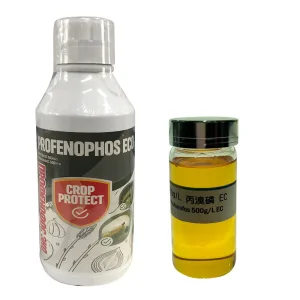
| Group 1A / 1B | Carbamates / Organophosphates | Propoxur, Chlorpyrifos, Profenofos | Hardy Beetles, Urban Cockroaches, Biting Caterpillars |
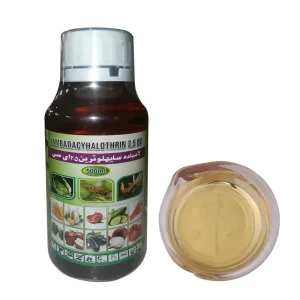
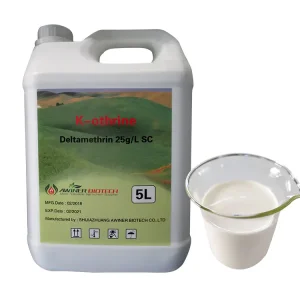
| Group 3A | Pyrethroids | Lambda-Cyhalothrin, Deltamethrin, Cypermethrin | Foliar Caterpillars, Mosquito Vectors, Beetles |
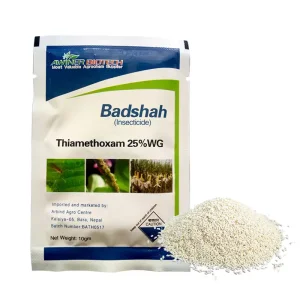
| Group 4A / 4M | Neonicotinoids | Thiamethoxam, Dinotefuran, Acetamiprid | Sucking Insects, Planthoppers, Aphids, Whiteflies |
| Group 6 & 22A | Avermectins & Oxadiazines | Emamectin Benzoate, Abamectin, Indoxacarb | Lepidopteran Larvae, Leafminers, Mites |
| Group 7C & 5 | Juvenile Hormone Mimics / Spinosyns | Pyriproxyfen, Spinosad | Mosquito Larvae, Flies, Thrips, Organic Crops |
Unlocking supply chain resilience, cost efficiency, scale, and custom technical synthesis for agrochemical distributors in Southeast Asia.
China controls over 70% of global active ingredient (TC) synthesis capacity. Direct factory sourcing eliminates intermediate markups from European or regional trading agents, offering unmatched price competitiveness for bulk procurement.
Modern Chinese agrochemical plants integrate specialized organosilicone spreaders, rainfastness stickers, and UV protectants into formulations specifically tuned for equatorial heavy-rainfall biomes like Malaysia.
From 100ml fluorinated HDPE bottles to 200L steel drums and customized multi-layer WDG sachets, Chinese factories deliver complete OEM branding compliance with Bahasa Malaysia & English multi-lingual labelling.
Explore our extensive line of high-purity active ingredients, multi-action premixes, and specialty vector control agents.
Delivering premium agrochemical innovations, high-purity active ingredient synthesis, and comprehensive registration support globally since 2006.
Awiner Biotech was founded in 2006, located in the north of China—Shijiazhuang, Hebei Province. The city is close to our capital Beijing, ensuring exceptionally convenient logistics and transport connectivity.
Awiner Biotech is committed to research, production, and distribution of high-grade agrochemicals. We mainly deal with pesticides, insecticides, herbicides, fungicides, plant growth regulators, and public health pesticides.
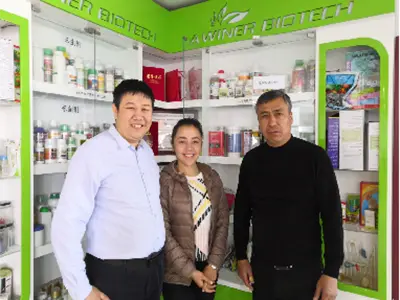
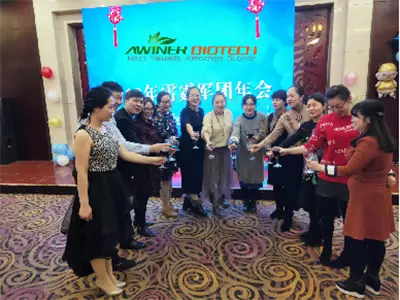
Up to now, we have won customers from Iraq, Iran, Afghanistan, Pakistan, India, Libya, Syria, Turkey, Yemen, Ukraine, Russia, Kazakhstan, Uzbekistan, Chile, Bolivia, Mexico, Brazil, Paraguay, Nigeria, Djibouti, Rwanda, Somalia, Malaysia, Cambodia, Nepal, Myanmar and so on.
Our team actively participates in major global agrochemical trade exhibitions including events in Turkey, Iran, Pakistan, Nigeria, Russia, Cambodia, Malaysia, Uzbekistan, and more to connect directly with regional distributors.
We go directly to our customers’ local agricultural fields to conduct market inspections, analyze pest resistance problems on-site, evaluate formulation performance under real tropical conditions, and host client delegations at our manufacturing sites.
Ensuring chemical integrity, shelf-life stability, regulatory documentation, and seamless port delivery to Port Klang & Pasir Gudang.
Every batch synthesized for export to Malaysia undergoes rigorous multi-stage analytical testing. Our laboratory utilizes High-Performance Liquid Chromatography (HPLC) and Gas Chromatography-Mass Spectrometry (GC-MS) to verify active ingredient concentration within strict ±0.3% tolerances. Furthermore, physical testing parameters evaluate wet sieve retention (for WDG/WP), emulsion stability (for EC/EW), and suspension spontaneous rate (for SC).
Pesticides exported to Malaysia must withstand long marine transit across the South China Sea and subsequent storage in hot, humid regional warehouses. Awiner Biotech utilizes high-barrier packaging solutions:
Awiner Biotech maintains strategic shipping partnerships originating from major North China ports (Tianjin/Qingdao) to key Malaysian entry ports including:
We provide comprehensive support for Malaysian product registration: COA, HPLC Spectrum Reports, MSDS, Product Specifications, Stability Test Data at elevated temperatures (54°C for 14 days), and ICAMA certificates.
Commercial, technical, and regulatory answers for procurement directors, agrochemical distributors, and estate managers.
Secure direct factory pricing, rapid shipment lead times, custom active ingredient premixes, and full regulatory dossier support today.
 Awiner Biotech