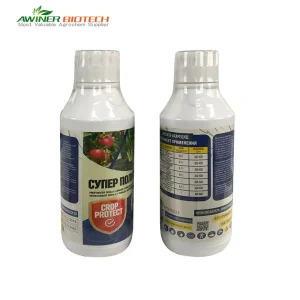
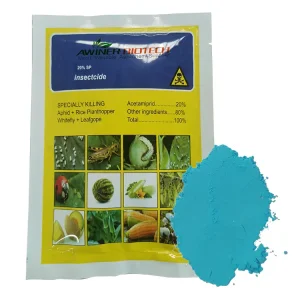
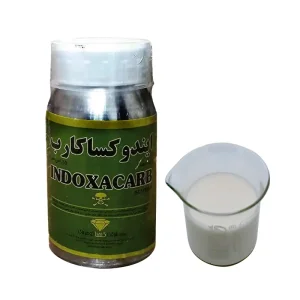
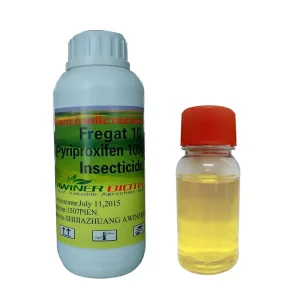
Premium active ingredients targeted at controlling key horticultural pests, scale insects, thrips, and fungal complexes under New Zealand climate conditions.
New Zealand's primary sector represents a highly specialized, export-oriented ecosystem governed by strict biosecurity mandates and environmental protection benchmarks. Ranging from high-value kiwifruit orchards in the Bay of Plenty and viticulture across Marlborough to pastoral pasture systems in Canterbury and Southland, the demand for targeted, eco-efficient insecticide formulations has escalated dramatically. Agricultural importers, commercial wholesalers, and pest control operators serving Aotearoa New Zealand face a complex operating environment characterized by stringent Maximum Residue Limit (MRL) enforcement by the Ministry for Primary Industries (MPI) and chemical registration frameworks dictated by the Environmental Protection Authority (EPA) under the Hazardous Substances and New Organisms (HSNO) Act.
To maintain global market leadership in fresh produce exports (such as Zespri™ kiwifruit and T&G Pipfruit), New Zealand growers require next-generation pest control chemistries that eliminate invasive economic pests—including armored scale insects (Hemiberlesia lataniae), codling moth (Cydia pomonella), leafrollers, thrips, and aphids—without leaving harmful synthetic residues or compromising beneficiary species. As an established agrochemical direct manufacturer, Awiner Biotech bridges the critical gap between cost-efficient, high-purity chemical synthesis in China and the rigorous compliance needs of New Zealand distributors.
Understanding active ingredient dynamics, mode of action, and targeted pest spectra is critical for wholesale buyers optimizing their seasonal procurement strategies. The table below details key formulations produced under strict ISO Quality Standards for export into Australasia:
| Active Ingredient Formulation | IRAC Mode of Action | Target Pest Spectrum in NZ | Key NZ Crop Applications | Formulation Advantage & Stability |
|---|---|---|---|---|
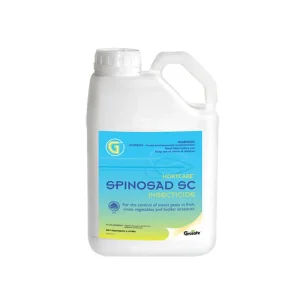
| Spinosad 480 g/L SC / Organic WDG | Group 5 (Nicotinic acetylcholine receptor allosteric modulators) | Leafrollers, Thrips, Codling Moth larvae | Kiwifruit, Viticulture, Organic Apple Orchards | Low ecotoxicity to beneficials, short pre-harvest interval (PHI), bio-compliant synthesis. |
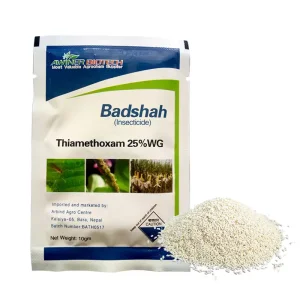
| Thiamethoxam 141g/l + Lambda-Cyhalothrin 106g/l SC | Group 4A (Neonicotinoid) + Group 3A (Pyrethroid) | Bronze Beetle, Sap-sucking Aphids, Whiteflies, Scale Crawlers | Pastoral Seed Crops, Avocados, Citrus, Vegetables | Dual systemic and contact knock-down effect; micro-encapsulated resistance management. |
| Emamectin Benzoate 30% WDG | Group 6 (Glutamate-gated chloride channel allosteric modulators) | Diamondback Moth, Armyworm, Tomato Fruitworm | Brassicas, Commercial Tomatoes, Maize, Field Vegetables | Rapid translucent leaf penetration (translaminar), rainfast within 2 hours of application. |
| Dinotefuran 20% + Pymetrozine 50% WDG | Group 4A (Neonicotinoid) + Group 9B (Chordotonal organ TRPV channel modulators) | Green Peach Aphid, Greenhouse Whitefly, Mealybugs | Greenhouse Crops, Kiwifruit, Solanaceous Produce | Irreversible feeding cessation within 1 hour; superior water-dispersible granule technology. |
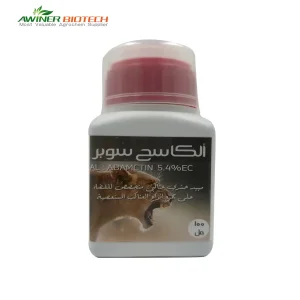
| Abamectin 3.6% EC | Group 6 (Avermectin) | Two-Spotted Spider Mites, Rust Mites, Leafminers | Pipfruit, Stonefruit, Berryfruit, Protected Cropping | High-purity technical grade ensures minimal phytotoxicity; excellent IPM compatibility. |
| Indoxacarb 150g/l + Emamectin Benzoate 4% SC | Group 22A (Voltage-dependent sodium channel blockers) + Group 6 | Resistant Lepidopterous Larvae, Leafrollers, Caterpillars | Onions, Shallots, Forage Crops, Field Brassicas | Bio-activated within target pest gut; zero cross-resistance with traditional organophosphates. |
The global agrochemical supply chain has undergone significant structural transformation. Chemical syntheses scale in China, backed by fully integrated chemical industrial parks, advanced environmental safeguards, and vertical integration from raw petro-chemical intermediates to finished formulations, offers unmatched economic resilience.
Direct sourcing of technical grade active ingredients (TC) guarantees cost leadership, bypassing multiple tier-3 broker markups and ensuring predictable FOB/CIF pricing for New Zealand buyers.
State-of-the-art Water Dispersible Granules (WDG), Suspension Concentrates (SC), and Micro-capsule Suspensions (CS) designed for high water solubility and reduced solvent toxicity.
Every export batch undergoes rigorous High-Performance Liquid Chromatography (HPLC) testing, CIPAC stability checks, and particle size distribution analysis to ensure full ACVM compliance.
Agricultural practices in New Zealand are distinct due to the maritime temperate climate, oceanic isolation, and intensive crop management schedules. Agrochemical solutions must be tailored specifically to seasonal biological cycles:
Kiwifruit production requires strict canopy management and pest suppression, specifically for armored scale insects, leafrollers, and passionvine hoppers. Soft chemical solutions like Spinosad WDG/SC and targeted Pyriproxyfen EC insect growth regulators (IGRs) allow orchardists to manage pest outbreaks without exceeding strict residue thresholds mandated by export markets in East Asia, North America, and the EU.
In apple orchards and vineyards, Integrated Pest Management (IPM) is standard practice. Modern selective chemistries, such as Indoxacarb and Emamectin Benzoate, provide rapid control over codling moth larvae and leafroller caterpillars while preserving beneficial predatory mites (Typhlodromus pyri) vital for biological mite control.
New Zealand's pastoral industry faces persistent soil-borne and foliar threats, including grass grub larvae, Argentine stem weevil, and forage brassica pests like diamondback moth and aphids. Combination formulations containing broad-spectrum active ingredients such as Thiamethoxam + Lambda-Cyhalothrin deliver systemic root and foliage absorption alongside rapid knock-down action during peak spring pest migrations.
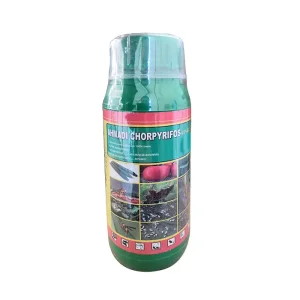
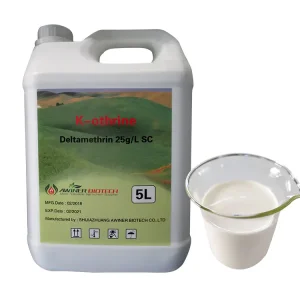
Border biosecurity remains New Zealand's first line of defense against destructive invasive species like the Brown Marmorated Stink Bug (BMSB) and Queensland Fruit Fly. Public health pest control products incorporating Deltamethrin, Propoxur, and Chlorpyrifos serve essential roles in port quarantine treatments, container disinsection, and industrial biosecurity protocols.
Agrochemical procurement teams in New Zealand must balance cost optimization with risk mitigation. Insecticide wholesale pricing is governed by key global macro-economic indicators:
Awiner Biotech was founded in 2006, located in the northern chemical synthesis center of Shijiazhuang, Hebei Province, China. Positioned close to Beijing with immediate port connectivity, Awiner Biotech is dedicated to the research, synthesis, formulation, and global export of high-efficiency agrochemicals.
Our expansive product portfolio spans advanced insecticides, selective herbicides, systemic fungicides, plant growth regulators (PGRs), and public health vector control chemistries. With strict adherence to FAO/WHO specifications and ISO 9001 quality management, we deliver tailormade solution packages for modern agricultural markets.
Up to now, we have established long-term strategic supply partnerships with agricultural distributors and importers across 35+ countries, including:
New Zealand, Australia, Russia, Ukraine, Kazakhstan, Uzbekistan, Turkey, Iran, Iraq, Pakistan, India, Syria, Yemen, Libya, Nigeria, Rwanda, Somalia, Chile, Bolivia, Mexico, Brazil, Paraguay, Malaysia, Cambodia, Myanmar, Nepal, and beyond.
Explore our full line of active ingredients, custom formulation options, and OEM private labeling solutions serving the New Zealand agricultural and public health sectors.
Clear answers regarding ACVM registrations, custom formulations, bulk pricing, and export documentation for New Zealand buyers.
We supply active ingredients (TC) and finished formulations manufactured under strict ISO 9001 and FAO standards. For commercial importers in New Zealand, we provide complete Certificate of Analysis (COA), Batch Analysis, GLP-accredited toxicological dossiers, and stability studies necessary to support your EPA HSNO approval and ACVM registration filings with MPI.
Production lead time typically ranges between 15 to 25 days following order confirmation and artwork approval for OEM packaging. Transit time from main northern Chinese ports (Qingdao/Ningbo/Shanghai) to major NZ ports (Auckland, Tauranga, Lyttelton) is approximately 14 to 21 days depending on shipping lines.
Yes, we specialize in OEM/ODM private labeling. We offer customized packaging solutions ranging from 100mL to 200L drums for liquids, and 10g sachets to 25kg fiber drums for WDG/WP powders. All packaging materials are fluorinated or UN-certified HD-PE to withstand international transit and meet local hazardous storage safety norms.
Every production batch undergoes mandatory quality testing in our in-house laboratory equipped with High-Performance Liquid Chromatography (HPLC) and Gas Chromatography (GC). Samples are retained for 2 years for traceability, and pre-shipment third-party inspections (SGS / BV) can be arranged upon request.
Looking to secure competitive pricing, guaranteed purity, and reliable supply chains for insecticides serving the New Zealand market? Contact our commercial technical team today for instant quotes and product dossiers.
Send Inquiry Now Awiner Biotech