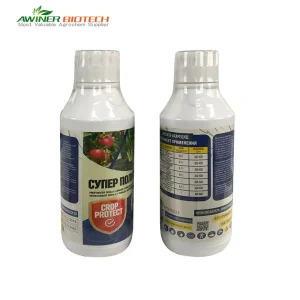
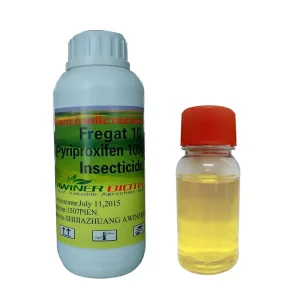
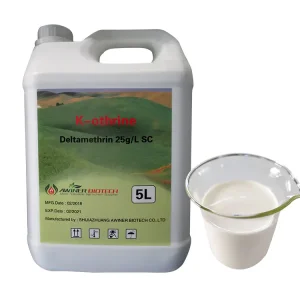
Premium active ingredient blends engineered for maximum crop protection, high bio-efficacy, and resistance management.
The agricultural ecosystem in India represents one of the most vital engines of global food production. Accounting for nearly 18% of the world's population, Indian agriculture faces a dual imperative: intensifying crop yield per hectare while navigating severe pest dynamics exacerbated by tropical climatic conditions, erratic monsoons, and shifting pest resistance profiles. Within this macro environment, chemical pest management—specifically high-quality insecticides, fungicides, and plant growth regulators—serves as the primary line of defense protecting cotton, paddy rice, sugarcane, pulses, tea, and horticulture crops.
As the world's second-largest agricultural producer, India's crop protection market has transformed rapidly from legacy broad-spectrum chemistries toward specialized, high-purity, target-specific active ingredients and combination formulations. The demand for dependable, bulk-manufactured technical compounds and ready-to-use formulations (including Water Dispersible Granules [WDG], Emulsifiable Concentrates [EC], Suspension Concentrates [SC], and Wettable Powders [WP]) has created a profound strategic synergy between Chinese chemical manufacturing hubs and Indian agrochemical importers, formulators, and distribution networks.
Strategic Market Intelligence: Importers in major Indian ports such as Nhava Sheva (Mumbai), Mundra (Gujarat), and Chennai require strict compliance with CIB&RC (Central Insecticides Board & Registration Committee) parameters, high active ingredient stability under extreme temperature gradients, and aggressive cost-per-acre performance metrics.
Streamlined raw material synthesis, backward integration, and state-of-the-art chemical engineering provide unmatched value for Indian buyers.
Chinese manufacturing facilities in key chemical zones benefit from direct backward integration into basic petrochemical building blocks and key intermediates. This reduces raw material volatility for key actives like Thiamethoxam, Emamectin Benzoate, and Chlorpyrifos, ensuring highly competitive FOB rates.
Every commercial production batch undergoes High-Performance Liquid Chromatography (HPLC) and Gas Chromatography (GC) testing to guarantee target active concentration, minimal impurities, and superior emulsion stability designed for harsh Indian field conditions.
Located in Shijiazhuang, Hebei Province, with rapid transit access to major northern container ports, our export supply pipeline offers streamlined ocean freight scheduling, custom export packaging, UN-rated dangerous goods drum wrapping, and COA generation.
To maximize agronomic return on investment (ROI), Indian agricultural distributors must evaluate active ingredients based on Insecticide Resistance Action Committee (IRAC) classifications, systemic versus contact mobility, rainfastness, and eco-toxicological safety profiles. Below is an exhaustive technical review of dominant active chemistries supplied to Indian buyers.
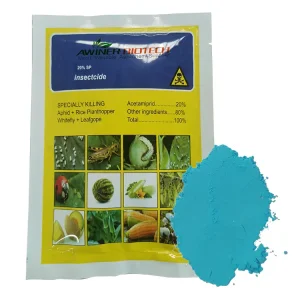
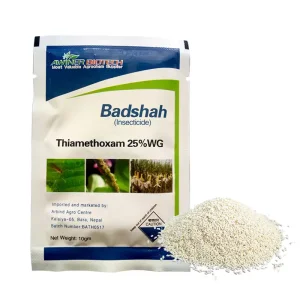
Neonicotinoid formulations remain indispensable across Indian cotton belts (Gujarat, Maharashtra, Telangana) and paddy zones (Punjab, Haryana, Andhra Pradesh). Actives such as Thiamethoxam, Acetamiprid, and Dinotefuran act as nicotinic acetylcholine receptor (nAChR) competitive modulators, providing fast knock-down of sucking pests such as aphids, jassids, thrips, whiteflies, and brown planthoppers (BPH).
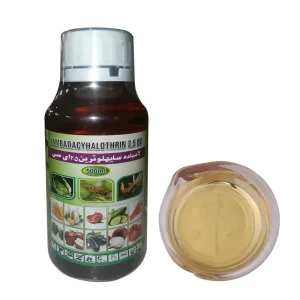
Pyrethroids like Lambda-Cyhalothrin and Deltamethrin affect voltage-gated sodium channels in nervous systems. In Indian agriculture, these actives are widely deployed for broad-spectrum protection against chewing insects, bollworms, and leaf folders.
With increasing emphasis on residue management and biological safety, semi-synthetic macrocyclic lactones derived from soil microorganisms have emerged as premium tools for managing resistant lepidopteran pests.
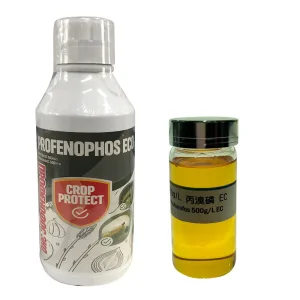
Broad-spectrum organophosphates including Chlorpyrifos and Profenofos remain key tools for soil treatment, stem borer control, and resistant lepidopteran outbreaks when formulated in premixes.
Founded in 2006, Awiner Biotech is headquartered in Shijiazhuang, Hebei Province, North China—a major hub of chemical technology close to Beijing. Over nearly two decades of continuous innovation and market expansion, Awiner Biotech has established itself as an integrated leader in the synthesis, formulation development, packaging, and international export of agrochemicals.
Our comprehensive portfolio encompasses pesticides, herbicides, fungicides, plant growth regulators (PGRs), and public health vector control chemicals. Our state-of-the-art industrial infrastructure is built around high-capacity automated production lines capable of producing liquid formulations (EC, SC, SL, FS) and dry granules/powders (WDG, WP, SP, SG) meeting strict international FAO/WHO specifications.
To date, Awiner Biotech has built lasting commercial partnerships across India, Pakistan, Afghanistan, Iraq, Iran, Syria, Turkey, Yemen, Russia, Ukraine, Kazakhstan, Uzbekistan, Chile, Bolivia, Mexico, Brazil, Paraguay, Nigeria, Djibouti, Rwanda, Somalia, Malaysia, Cambodia, Nepal, Myanmar, and beyond.
We actively exhibit at premiere global chemical summits and agricultural trade fairs across Turkey, Iran, Pakistan, Nigeria, Russia, Cambodia, Malaysia, Uzbekistan, and India, fostering direct executive communication and technology exchange.
Our senior technical specialists regularly conduct on-site market inspections and field trials directly in customer countries—analyzing localized pest resistance patterns, diagnosing product usage performance, and co-developing customized formulation tweaks for localized climate requirements.
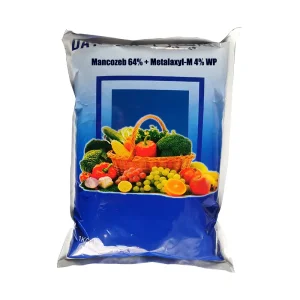
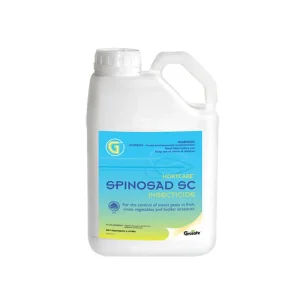
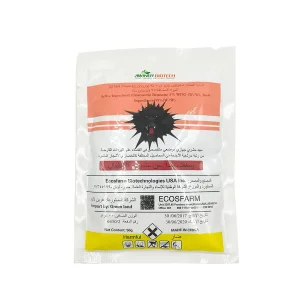
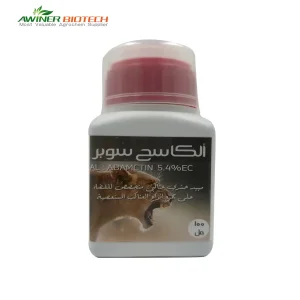
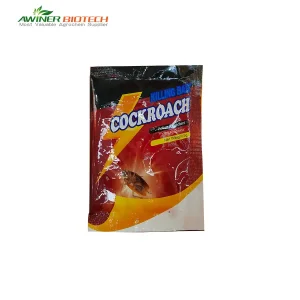
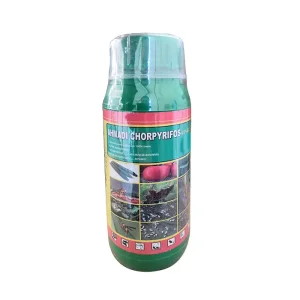
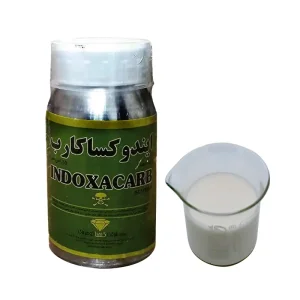
Explore our top wholesale agrochemical offerings available for direct container shipment to Indian ports with full registration data support.
The global agrochemical landscape is undergoing rapid chemical structural transitions. For B2B importers in India, staying ahead of regulatory changes and consumer preferences requires aligning supply chains with four decisive trends:
Traditional Emulsifiable Concentrates (EC) using aromatic solvents like Xylene are increasingly being replaced by environmentally friendly Water Dispersible Granules (WDG), Suspension Concentrates (SC), and Micro-emulsions (ME). These modern formulations offer reduced phytotoxicity, improved worker safety, and superior storage stability under high humidity.
With the Indian government promoting drone spraying technologies across rural farming clusters, demand for ultra-low volume (ULV) and anti-drift formulation additives is soaring. Products like concentrated SC and liquid suspension premixes are optimized for nozzle spraying precision.
Single active chemistries face accelerated pest resistance development. Combination formulations—such as Indoxacarb + Emamectin Benzoate or Thiamethoxam + Lambda-Cyhalothrin—provide multi-site biological activity, extending active shelf-life and lowering total application dosages per acre.
Indian agricultural exports (such as Basmati rice to Europe and North America, or spices to the Middle East) demand compliance with stringent Maximum Residue Limits (MRLs). Sourcing high-purity technical material with zero toxic impurity contamination is essential to protecting agricultural export integrity.
Answers to common B2B procurement queries regarding pricing, registration documentation, minimum order quantities (MOQ), and shipping logistics.
Partner with Awiner Biotech for factory-direct chemical pricing, reliable quality control, and comprehensive registration support across India and global markets.
Send Inquiry Now Awiner Biotech