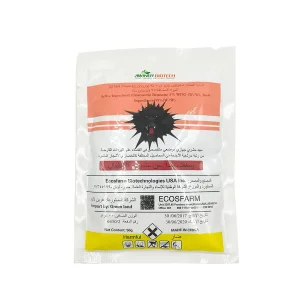
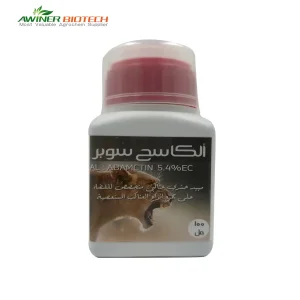
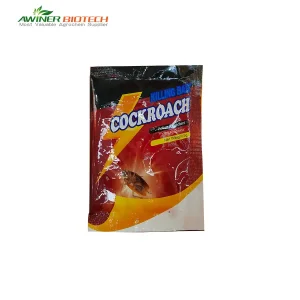
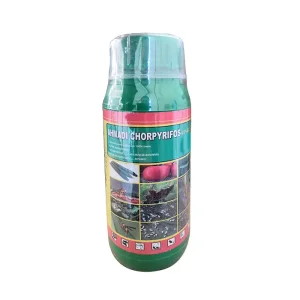
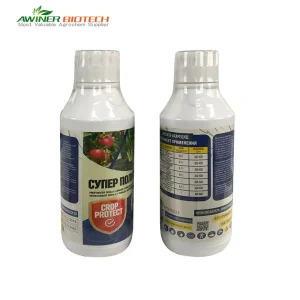
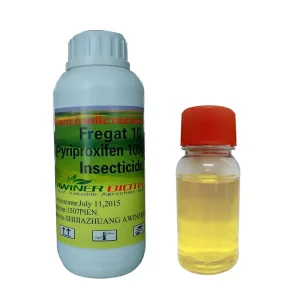
Engineered to meet the stringent quality, efficacy, and environmental compliance standards required by the Japanese agricultural sector.
Japan’s agrochemical market represents one of the most sophisticated, highly regulated, and quality-driven sectors globally. Driven by the Ministry of Agriculture, Forestry and Fisheries (MAFF) and strict adherence to the Agricultural Chemicals Regulation Law (ACRL), the Japanese market demands active ingredients (AIs) and final pesticide formulations with exceptional purity profiles, minimal environmental persistent residues, and optimized eco-toxicological safety records.
As Japanese agriculture grapples with an aging demographic and consolidation of farm holdings, the demand for high-efficiency, multi-target, labor-saving insecticides has skyrocketed. Modern growers across prefectures such as Niigata, Hokkaido, and Shizuoka rely on advanced formulation technologies—such as Water Dispersible Granules (WDG), Microemulsions (ME), and Suspension Concentrates (SC)—that seamlessly integrate with automated Unmanned Aerial Vehicle (UAV) spray systems and Smart Agriculture initiatives.
To successfully penetrate and maintain competitive standing in the Japanese agrochemical ecosystem, suppliers must offer comprehensive technical dossiers, batch-to-batch HPLC purity analytical verification, zero-impurity cross-contamination guarantees, and specialized physical stability traits tailored for soft-water and hard-water dilution conditions common across Honshu and Kyushu regions.
Adherence to Japan's Positive List System for agricultural chemical residues is paramount. Formulations must ensure predictable dissipation kinetics to guarantee compliance with crop-specific Maximum Residue Limits (MRLs).
Delivering next-generation systemic and contact insecticides designed for precision targeted pest management, anti-resistance rotation, and minimal off-target impact.
Engineered using fluid-bed granulation technology, our WDG products guarantee dust-free handling, rapid disintegration within 30 seconds, high suspensibility (>90%), and exceptional physical stability under tropical and temperate storage conditions.
Polymer membrane encapsulation provides controlled release kinetics for extended residual insect control, reduced worker exposure toxicity, and minimized phytotoxicity in sensitive horticultural crops and fruit trees.
Custom-formulated with specialized anti-evaporation agents, narrow-droplet spectrum surfactants, and drift-reduction adjuvants specifically calibrated for Japanese drone spraying equipment (DJI Agras, Yamaha RMAX).
Customized pest management protocols engineered for Japan's distinct ecological zones and cropping systems.
Primary Target Pests: Brown Rice Planthopper (Nilaparvata lugens), Small Brown Planthopper (Laodelphax striatellus), Rice Leaf Folder, and Rice Water Weevil.
Strategic Solution: High-purity systemic neonicotinoid combinations such as Dinotefuran + Pymetrozine WDG provide immediate anti-feeding responses and extended systemic protection, preventing the vector transmission of Rice Stripe Virus across key paddy regions in Niigata, Akita, and Yamagata.
Primary Target Pests: Greenhouse Whitefly (Trialeurodes vaporariorum), Thrips (Thrips palmi), Two-Spotted Spider Mite, and Leafminers.
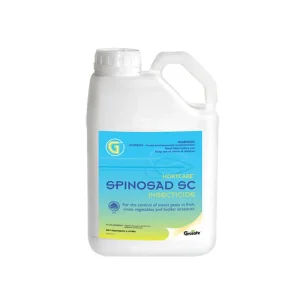
Strategic Solution: Integration of specialized bio-rational options like Spinosad Formulations alongside novel diamide and insect growth regulator (IGR) chemistry such as Pyriproxyfen EC. Designed specifically for strawberry, tomato, and cucumber greenhouse setups in Shizuoka, Tochigi, and Kumamoto, minimizing pest resistance development under high-temperature covered environments.
Primary Target Pests: Peach Fruit Moth, Oriental Fruit Fly, Asian Citrus Psyllid, and Scale Insects.
Strategic Solution: Premium contact and stomach-action insecticide combinations utilizing high-efficiency active ingredients like Emamectin Benzoate WDG and Indoxacarb SC to deliver translaminar protection for apple orchards in Aomori and citrus/peach acreage in Yamanashi and Wakayama.
Primary Target Pests: German Cockroach (Blattella germanica), Asian Tiger Mosquito (Aedes albopictus), Fly Maggots, and Bed Bugs.
Strategic Solution: Professional public health formulations including micro-encapsulated Deltamethrin and synthetic pyrethroids engineered for municipal hygiene, hospitality sanitation, transport logistics centers, and residential vector suppression in Tokyo, Osaka, and Yokohama metro hubs.
Awiner Biotech was founded in 2006, located in the north of China—Shijiazhuang, Hebei Province. The city is strategically positioned close to our capital Beijing, ensuring convenient logistics and seamless export execution through primary deep-water sea ports.
Awiner Biotech is committed to the scientific research, high-standard formulation synthesis, and international distribution of advanced agrochemicals. Our comprehensive product portfolio spans high-potency insecticides, herbicides, fungicides, plant growth regulators (PGRs), and public health pesticides engineered to strict international FAO/WHO specifications.
With state-of-the-art analytical equipment including Gas Chromatography-Mass Spectrometry (GC-MS), High-Performance Liquid Chromatography (HPLC), and particle size distribution analyzers, every commercial shipment undergoes rigorous multi-stage quality control validation before dispatch.
Up to now, we have won trusted customers from Iraq, Iran, Afghanistan, Pakistan, India, Libya, Syria, Turkey, Yemen, Ukraine, Russia, Kazakhstan, Uzbekistan, Chile, Bolivia, Mexico, Brazil, Paraguay, Nigeria, Djibouti, Rwanda, Somalia, Malaysia, Cambodia, Nepal, Myanmar, and beyond.
We combine large-scale manufacturing capacity with hands-on agricultural field research to solve complex crop protection challenges directly on the ground.
Our team actively participates in major worldwide agrochemical and agricultural technology expos across Turkey, Iran, Pakistan, Nigeria, Russia, Cambodia, Malaysia, Uzbekistan, and other regional agricultural hubs, bridging global innovations with localized farm needs.
We routinely dispatch experienced technical engineers to customer countries and localized farming regions to conduct field inspections, analyze emerging insect resistance trends, evaluate real-time formulation efficacy, and provide custom chemical solutions.
Beyond technical supply, we regularly host international client delegations at our modern Shijiazhuang manufacturing plants, providing complete transparency into our synthesis workshops, quality assurance protocols, and custom packaging lines.
Pioneering sustainable chemistry to meet future environmental goals, strict residue mandates, and biodiversity protection goals in Japan and globally.
Over-reliance on legacy single-site organophosphates and early-generation pyrethroids has escalated insect resistance issues across Asia. Our R&D pipeline focuses on active ingredient combinations with distinct modes of action (MOA) designated by the Insecticide Resistance Action Committee (IRAC). By combining fast-acting contact nerve agents with systemic feeding inhibitors, our dual-action formulations suppress resistance development in destructive pests like Plutella xylostella and Thrips palmi.
Aligning with Japan’s "MeaDRI" Strategy for Sustainable Food Systems (which targets significant reductions in chemical pesticide risk by 2050), Awiner Biotech is expanding its production of microbial-derived actives such as Spinosad and Abamectin. These bio-rational solutions yield superior target pest efficacy while rapidly degrading under sunlight into non-toxic metabolites, ensuring zero persistent soil residues.
Traditional Emulsifiable Concentrates (EC) often utilized aromatic solvent systems like xylene, which carry environmental concerns. Our chemical synthesis divisions have transitioned toward bio-based methyl ester solvents, non-ionic alkyl polyglucosides (APG), and eco-friendly polyoxyethylene ether surfactants. This transition delivers maximum active ingredient penetration across plant cuticles while drastically reducing phytotoxicity risk and aquatic toxicity markers.
Recognizing the distinct retail preferences in Japan, where small-holder farmers require high-barrier, easy-pour, fully recyclable aluminum bottles, water-soluble PVA sachets, and precision measuring caps, we offer fully automated, custom OEM packaging options designed for maximum user safety and product shelf life.
Explore our comprehensive selection of technical-grade actives and finished formulations ready for international export and regulatory registration.
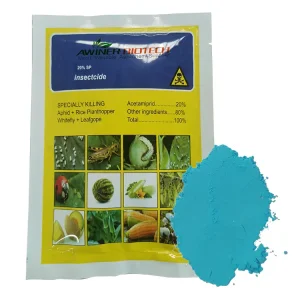
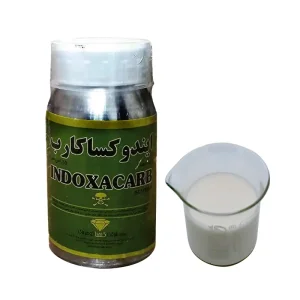
Expert insights on procurement, regulatory dossiers, quality control, and shipping logistics for Japanese agrochemical buyers.
Partner with an established agrochemical manufacturer. Connect with our senior agronomists and export specialists today to discuss technical specs, COAs, and customized price quotes.
Send Inquiry Now Awiner Biotech