 Awiner Biotech
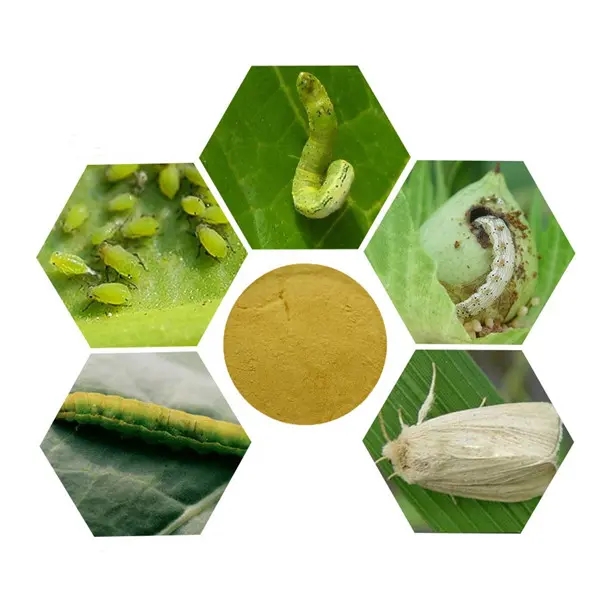
1 / 3
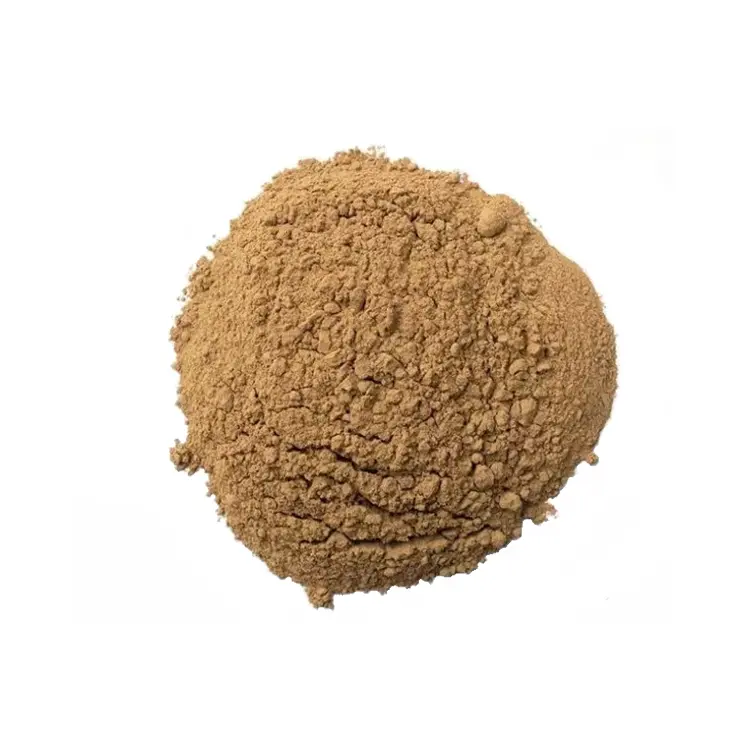
| Common Name | Bacillus Thuringiensis |
| CAS Number | 68038-71-1 |
| Structural Formula | C22H32N5O16P |
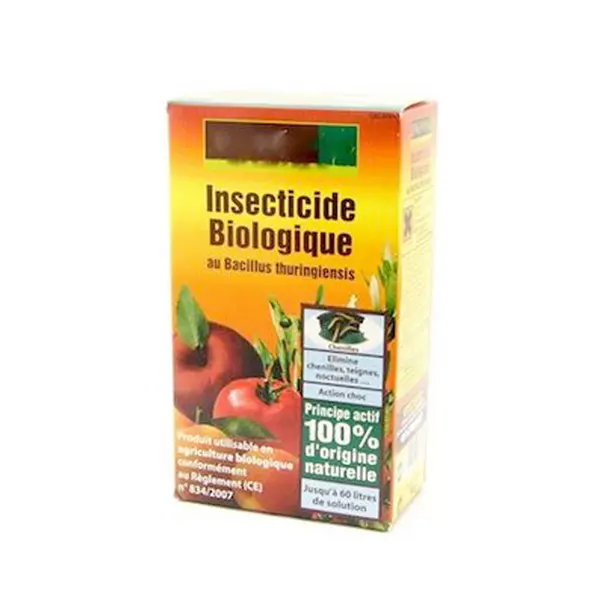
| Overview | Bacillus Thuringiensis subsp. Kurstaki has been a widely used microbial insecticide, showing satisfactory effects against pests on crops, forests, fruits, and vegetables. Manufactured from highly potent natural strains with unique fermentation processes, it is certified as "Organic Products" by the Organic Food Certification Center and strongly recommended by the National Agro-Tech Extension and Service Center (NATESC). Due to its low toxicity to animals and eco-friendly nature, it is widely utilized in non-pollution vegetable production. |
| Target Pests | Lepidoptera pests on crops and forests, such as diamond-back moth, cabbage butterfly, cotton bollworm, oriental tobacco budworm, rice skipper butterfly, corn borer, rice stem borer, American white moth, poplar notodontidae, pine caterpillars, and other important pests. |
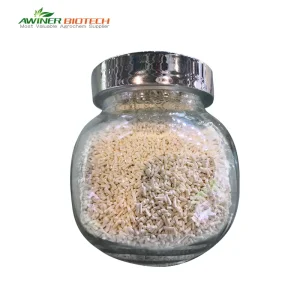
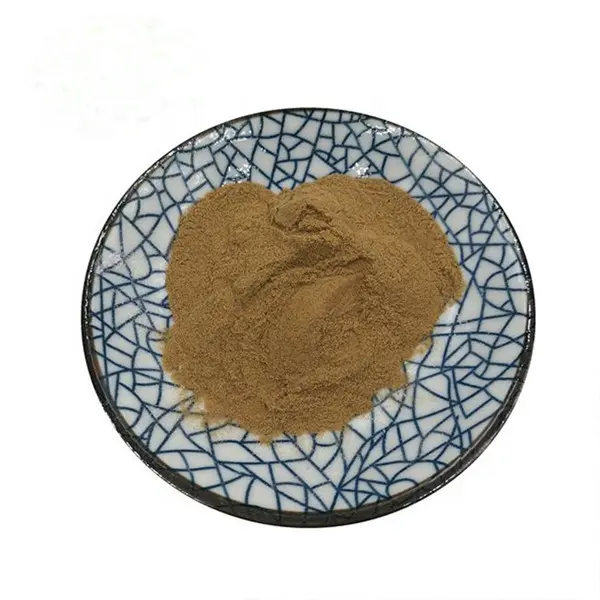
Appearance: Fine tan powder
Molecular Formula: C22H32N5O16P
Molecular Weight: 653
Solubility in Water: Soluble
Oral Toxicity: LD50 > 4,000 mg/kg in rats; LD50 > 10,000 mg/kg in mice; LD50 > 400 mg/kg in dogs.
Inhalation Toxicity: Not lethal in rats at aerosol conc. of 5.26 mg/L/4 hours.
Safety Standard: EPA Category IV
| Crops | Target Pests | Dosage | Method |
|---|---|---|---|
| Cruciferous vegetables | Diamondback moth | 15-20 g/Ha | Foliar Spray |
| Tea tree | Tea tussock moth | 400-800 times solution | Foliar Spray |
| Tobacco | Budworm | 1500-3000 g/Ha | Foliar Spray |