GLOBAL AGROCHEMICAL INDUSTRIAL REPORT

China Chlorbenzuron Insecticide Factory & Suppliers

Comprehensive Whitepaper on Synthesis Technology, Supply Chain Optimization, Insect Growth Regulator (IGR) Efficacy, and Global Regulatory Compliance

TECHNICAL WHITEPAPER

Chlorbenzuron Science, Molecular Mode of Action & Synthesis

Understanding the biochemistry of Benzoylurea Insect Growth Regulators (IGRs) in modern Integrated Pest Management (IPM)

95%+
Purity TC Grade
100%
Chitin Inhibition
40+
Global Export Markets
ISO9001
Certified QA Manufacturing
Biochemical Mechanism
Chlorbenzuron is a substituted benzoylurea insecticide functioning specifically as a Chitin Synthesis Inhibitor (CSI). Unlike broad-spectrum neurotoxic chemicals (such as organophosphates or synthetic pyrethroids), Chlorbenzuron disrupts the polymerization of N-acetylglucosamine—the essential monomer required for building insect exoskeletons during ecdysis (molting). When target larvae ingest treated plant tissue, they are rendered unable to shed their old cuticle, leading to fatal mechanical rupture, fluid loss, and incomplete metamorphosis.
Ovicidal & Larvicidal Action
Chlorbenzuron exhibits profound stomach toxicity and notable contact activity against early-stage larvae (1st to 3rd instar). Additionally, it possesses strong ovicidal properties: adult female insects exposed to residue-treated surfaces lay eggs with compromised chorion structure, preventing embryonic blastokinesis and egg hatching. This dual mode of action dramatically breaks the population cycle of destructive Lepidoptera and Coleoptera pests in forestry and agriculture.
Ecotoxicological Profile
One of Chlorbenzuron’s primary agronomic advantages is its low toxicity profile toward non-target organisms. Beneficial arthropods such as adult honeybees (*Apis mellifera*), predatory mites (*Amblyseius* spp.), parasitic wasps (*Trichogramma* spp.), and ladybird beetles (*Coccinellidae*) show high tolerance to field-recommended dosages. This makes Chlorbenzuron an ideal chemical candidate for target-specific Integrated Pest Management (IPM) and residue-sensitive crop production.

Standard Technical Specifications & Commercial Grades

Parameter / Specification Technical Grade (95% TC) Suspension Concentrate (20% SC) Wettable Powder (25% WP)
Active Ingredient Content ≥ 95.0% w/w 200 g/L ± 10 g/L ≥ 25.0% w/w
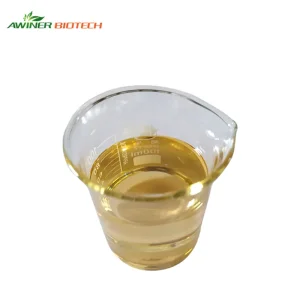
Appearance Off-white to light yellow powder Homogeneous fluid suspension Fine, free-flowing white powder
pH Range 5.0 – 8.0 5.0 – 8.0 6.0 – 9.0
Suspensibility / Dispersibility N/A ≥ 90% ≥ 80%
Wet Sieve Test (44μm) N/A ≥ 99% pass ≥ 98% pass
Persistent Foaming N/A ≤ 25 mL after 1 min ≤ 60 mL after 1 min
Primary Applications Raw material for synthesis / formulating Citrus, Tea, Vegetables, Forestry ULV spray Orchards, Field crops, Apple leafminer
GLOBAL SUPPLY CHAIN HUB

Why Source Chlorbenzuron Insecticide from China Manufacturers?

Unmatched raw material vertical integration, strict environmental compliance, and cost-effective scalable chemical manufacturing

Upstream Chemical Integration
China’s chemical manufacturing clusters provide direct access to core precursors like 2,6-difluorobenzamide and 4-chlorophenyl isocyanate. By maintaining integrated backward synthesis pipelines, Chinese factories secure steady raw material supplies, protecting international buyers from dramatic price volatility and raw material stockouts common in western supply nodes.
Advanced Quality Control (QA/QC)
Leading Chinese formulation facilities operate GLP (Good Laboratory Practice) state-of-the-art analytical testing centers equipped with High-Performance Liquid Chromatography (HPLC), Gas Chromatography-Mass Spectrometry (GC-MS), and laser particle size analyzers. Every batch of Chlorbenzuron undergo rigorous quality verification to guarantee active content, residue limits, stability, and physical suspension metrics.
Flexible Packaging & Logistics
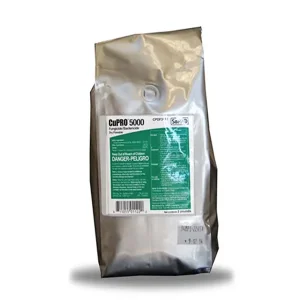
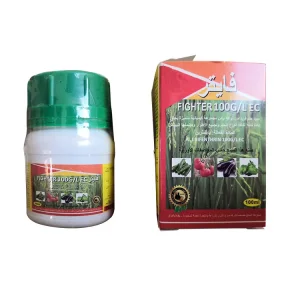
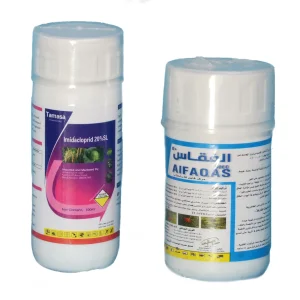
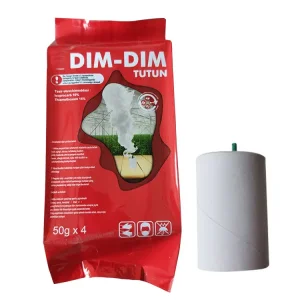
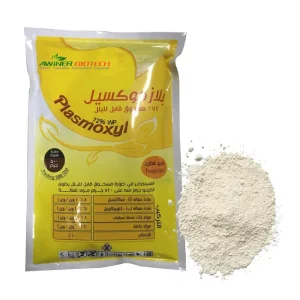
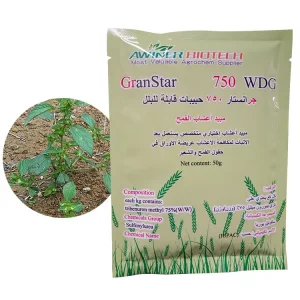
From 100mL aluminum bottles to 1000L IBC totes, and 1kg foil bags to 25kg fiber drums, Chinese suppliers offer fully customized OEM/ODM packaging options designed for local retail branding. Strategically located near major deep-water ports (Tianjin, Qingdao, Shanghai), export logistics are optimized for fast sea freight transit times worldwide.
FIELD APPLICATIONS

Target Pests, Dosage Guidelines & Crop Compatibility

Optimized application protocols for maximum field efficacy and pest resistance management

Citrus Orchards (Citrus Leafminer)
Target: Citrus Leafminer (*Phyllocnistis citrella*) & Red Spider Mite egg suppression.
Dosage: Chlorbenzuron 25% WP diluted 2,000–3,000 times.
Application Timing: Apply at the onset of new summer and autumn shoot flush when egg-laying activity peaks. Chlorbenzuron prevents leaf curling and secondary bacterial canker infection.
Forestry & Timber Protection
Target: Pine Caterpillar (*Dendrolimus punctatus*), Fall Webworm (*Hyphantria cunea*).
Dosage: Chlorbenzuron 20% SC applied at 150–250 g a.i./ha via aerial or Ultra-Low Volume (ULV) sprayers.
Benefit: Delivers long-lasting forest canopy protection with zero residue damage to birds, predatory ants, and wild fauna.
Tea Plantations (Tea Looper)
Target: Tea Looper (*Ectropis obliqua*), Tea Caterpillar.
Dosage: 25% WP at 300–400 g/ha.
E-E-A-T Note: Because tea leaves are directly harvested for human consumption, Chlorbenzuron’s rapid photo-degradation and non-systemic safety clearance satisfy stringent international Maximum Residue Limits (MRLs).
Vegetables & Brassicas
Target: Diamondback Moth (*Plutella xylostella*), Cabbage Caterpillar (*Pieris rapae*).
Dosage: 20% SC at 30–40 mL/667m².
Strategy: Ideal partner in rotation with Emamectin Benzoate or Bacillus thuringiensis (Bt) to prevent field strain cross-resistance.
REGULATORY & COMPLIANCE

Global Registration Dossiers & Quality Standard Approvals

Empowering international distributors with full ICAMA data packages, GLP toxicological reports, and FAO quality benchmarks

Complete ICAMA Dossier Support
Securing pesticide registration requires meticulous regulatory documentation. China Chlorbenzuron suppliers issue official ICAMA (Institute for the Control of Agrochemicals, Ministry of Agriculture) certification packages, including manufacturing site licenses, composition certificate, product chemistry specs, and toxicology evaluations (acute oral, dermal, inhalation, skin/eye irritation).
GLP Ecotoxicity & Residue Data
For overseas agricultural ministries (e.g., in South America, Southeast Asia, CIS countries, and the Middle East), factories provide 5-batch purity analysis certificates and OECD GLP-compliant ecotox studies covering aquatic toxicity (fish, *Daphnia*), avian oral toxicity, and soil breakdown dynamics.
FAO Specification Compliance
Chlorbenzuron formulations produced by top-tier Chinese manufacturers conform to standard FAO/WHO pesticide specifications. Parameters such as low moisture content, controlled particle size distribution, zero active degradation after hot-storage tests (54°C for 14 days), and ambient shelf stability (>2 years) ensure maximum operational efficacy across tropical and arid climates.
FUTURE INSIGHTS

Industry Trends & Emerging Innovations in Insect Growth Regulators

How modern formulation science and drone-assisted application technologies are transforming Chlorbenzuron utilization
Phase-Out of High-Toxicity Organophosphates
As global agricultural authorities restrict or ban neurotoxic chemicals (such as Methamidophos, Parathion, and Chlorpyrifos) due to environmental safety concerns, low-risk Insect Growth Regulators (IGRs) like Chlorbenzuron are filling the void. Demand for CSI pesticides is experiencing compound annual growth rates (CAGR) across high-value horticultural export markets.
Drone Spraying & Nano-Suspensions
The rapid adoption of agricultural UAVs (unmanned aerial vehicles) requires specialized insecticide formulations with high concentration dispersion, zero nozzle clogging, and superior anti-evaporation properties. China’s pesticide laboratories are advancing nano-emulsion and fine SC formulations of Chlorbenzuron, enhancing leaf surface adhesion and rainfastness under extreme weather conditions.
Synergistic Combination Formulations
To broaden pest control spectra and achieve instantaneous knock-down combined with long residual control, modern formulation plants synthesize pre-mixes combining Chlorbenzuron with fast-acting pyrethroids (e.g., Beta-Cypermethrin, Bifenthrin) or avermectins. This dual-action approach eliminates adult populations immediately while Chlorbenzuron prevents subsequent generation re-infestation.
Awiner Biotech Logo

Company Profile — Awiner Biotech

Pioneering Agrochemical Research, Formulation & Global Distribution Since 2006

Awiner Biotech was founded in 2006, located in north of China—Shijiazhuang, Hebei Province. The city is close to our capital Beijing, transportation is convenient. Awiner Biotech is committed to research, produce and distribute agrochemicals, mainly dealing with pesticides, herbicides, fungicides, plant growth regulators, and public health pesticides.

With high-tech processing equipment and strict chemical testing protocols, our products achieve high international standards. We actively engage in field trials, custom formulation R&D, and registration document preparation for clients in diverse agricultural ecosystems.

Global Market Footprint & International Outreach

Up to now, we have won long-term trusted customers across 40+ countries and regions worldwide:

Active Supply Regions: Iraq, Iran, Afghanistan, Pakistan, India, Libya, Syria, Turkey, Yemen, Ukraine, Russia, Kazakhstan, Uzbekistan, Chile, Bolivia, Mexico, Brazil, Paraguay, Nigeria, Djibouti, Rwanda, Somalia, Malaysia, Cambodia, Nepal, Myanmar, and beyond.
Global Industry Exhibitions
We regularly participate in international agrochemical expos across Turkey, Iran, Pakistan, Nigeria, Russia, Cambodia, Malaysia, Uzbekistan, and CAC China, sharing product updates and technical knowledge directly with local distributors.
Customer Market Surveys & On-Site Support
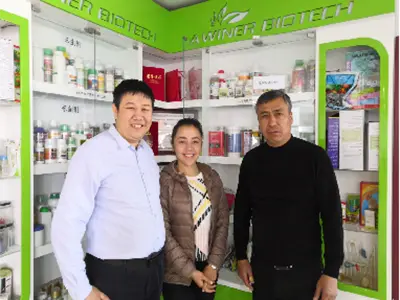
We conduct extensive in-person market inspections in our partners' countries. We analyze regional pest pressures, optimize localized tank-mixing protocols, resolve application issues, and invite clients to inspect our production lines in China.
FREQUENTLY ASKED QUESTIONS

B2B Procurement & Technical FAQ

Essential guidance for chemical buyers, importers, and agricultural distributors

Q1: How quickly does Chlorbenzuron act upon target pests after application?
Because Chlorbenzuron is an Insect Growth Regulator (IGR) that inhibits chitin synthesis, it does not act as a rapid knock-down neurotoxin. Pests ingest the chemical during feeding, and mortality occurs during their next ecdysis (molting stage), typically within 3 to 7 days depending on ambient temperatures and larval growth phase. For immediate knock-down, mixing Chlorbenzuron with a pyrethroid or avermectin is recommended.
Q2: Is Chlorbenzuron safe for beneficial insects like bees and natural predators?
Yes. Chlorbenzuron shows exceptionally low toxicity to adult beneficial insects including honeybees (*Apis mellifera*), adult ladybugs, and parasitic wasps because adult insects have completed their cuticle development and do not undergo further molting. However, spray drift directly over active beehives should be minimized according to Good Agricultural Practice (GAP).
Q3: What customized formulation and OEM packaging services are offered?
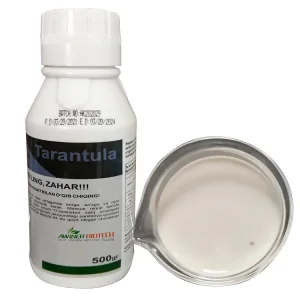
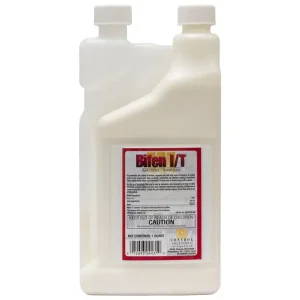
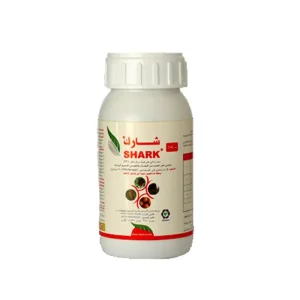
We offer complete OEM/ODM customized manufacturing services. Formulations available include Technical Grade (95% TC), Suspension Concentrates (20% SC), Wettable Powders (25% WP), and custom co-formulations. Packaging spans from retail-ready 100mL, 250mL, 500mL, 1L HDPE/Aluminum bottles to bulk 200L drums and 1000L IBC tanks, complete with custom label design matching local regulatory requirements.
Q4: Can Chlorbenzuron be tank-mixed with alkaline fertilizers or pesticides?
Chlorbenzuron is stable under neutral and slightly acidic conditions. It should NOT be mixed with strong alkaline materials (such as Bordeaux mixture or Lime Sulfur) as high alkalinity accelerates chemical hydrolysis of the benzoylurea molecule, reducing active field performance. Always perform a jar-test prior to large-scale tank mixing.
Q5: How does China ensure export compliance and quality consistency across batches?
Our modern ISO-certified facilities utilize automated continuous reaction technology and strict CIP maintenance. Every production batch is sampled and tested via HPLC and particle size analyzers. COAs (Certificate of Analysis) are issued per shipment, and third-party pre-shipment inspections (e.g., SGS, INTERTEK) are routinely supported.