Industrial Agro-Chemical Synthesis, Plant Growth Regulators & Advanced Integrated Pest Management (IPM) Solutions for Global Cotton Yield Optimization
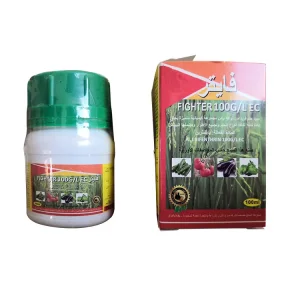
High-purity active ingredients, specialized emulsifiable concentrates, water-dispersible granules, and targeted cotton crop protection agents directly from Chinese synthesis facilities.
Evaluating macro-economic drivers, crop loss risks, chemical defense matrices, and lint quality preservation across global agricultural corridors.
Cotton (Gossypium hirsutum and Gossypium barbadense) stands as one of the most chemically intensive broadacre crops globally. Accounting for over 25 million metric tons of fiber produced annually across more than 80 countries, cotton cultivation underpins the international textile ecosystem, seed oil processing industries, and animal feed supply networks. However, achieving high lint yields and premium micronaire values requires precise chemical intervention across every phenological growth stage.
Modern cotton farming faces an unprecedented combination of pressures: rising ambient temperatures that accelerate insect metabolic cycles, expanding weed resistance vectors, strict environmental residue limits (MRLs), and fluctuating farmgate fiber prices. To remain profitable, commercial farming conglomerates and regional agrochemical importers rely heavily on advanced formulation chemistry supplied by specialized chemical manufacturers in China.
As a leading China cotton production chemicals factory & manufacturer, our technical synthesis facilities bridge the critical gap between raw active ingredient production and targeted field efficacy. From pre-emergence seed coatings that mitigate seedling damping-off to late-season defoliation systems that facilitate mechanical harvesting, targeted agronomic formulations ensure optimal vegetative-to-reproductive nutrient balance while mitigating pest-induced stress.
Systematic chemical intervention protocols engineered for maximum agronomic efficiency, insect management, and weed control from seed to harvest.
| Growth Phase | Agronomic Target / Threat | Active Ingredient & Formulation | Mode of Action (MoA) & Benefits |
|---|---|---|---|
| 1. Seedling & Pre-Emergence | Rhizoctonia solani, Pythium spp., Early Aphids & Thrips | Imidacloprid + Carbendazim + Metalaxyl 10% WP | Triple-action seed dressing combining systemic neonicotinoid protection against sucking pests with dual-site fungicide suppression of root rot complex. |
| 2. Vegetative Canopy Control | Excessive rank growth, delayed square formation | 6-Benzylaminopurine (6-BA) 2% SP / Mepiquat Chloride | Cytokinin-driven cell division regulator that balances vegetative apical dominance with reproductive branching and square retention. |
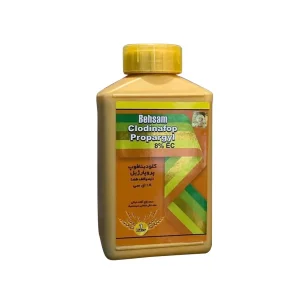
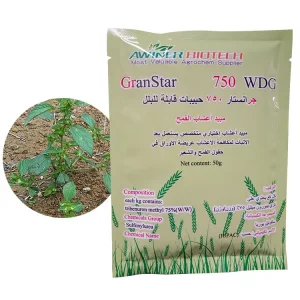
| 3. Early Grass & Broadleaf Weeds | Narrowleaf weed infestation (Echinochloa, Digitaria) | Clodinafop-propargyl / Tribenuron-methyl 75% WDG | Selective post-emergence ACCase and ALS enzyme inhibitors providing targeted systemic grass control without phytotoxic injury to cotton. |
| 4. Peak Flowering & Square Protection | Cotton Aphid (Aphis gossypii), Whitefly (Bemisia tabaci) | Thiamethoxam 141g/L + Lambda-Cyhalothrin 106g/L SC | Dual-mode knockdown and persistent systemic protection disrupting nerve impulse transmission across multiple insect life stages. |
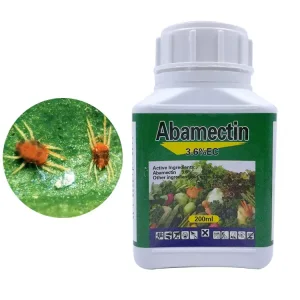
| 5. Boll Formation & Mite Control | Two-spotted spider mites (Tetranychus urticae) & Bollworms | Hexythiazox 5% EC / Abamectin 3.6% EC + Chlorbenzuron | Ovicidal, nymphicidal, and chitin synthesis inhibition preventing mite reproduction and damaging leaf canopy defoliation. |
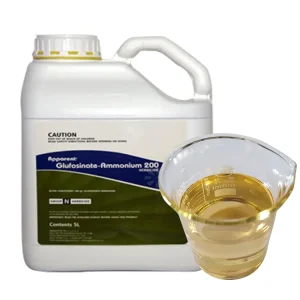
| 6. Pre-Harvest Defoliation | Foliage retention, green leaf stain during mechanical picking | Thidiazuron + Diuron / Glufosinate-ammonium 20% SL | Accelerates ethylene synthesis, induces clean leaf abscission layer formation, and opens mature bolls uniformly. |
Successful mechanical harvesting requires clean leaf drop with zero regrowth. Applying specialized defoliants when cotton bolls are at least 60-70% open ensures maximum lint yield, reduces trash content at the gin, and prevents chlorophyll staining on lint fibers, securing premium grade market pricing.
How global agricultural buyers, multi-national brand holders, and government tenders are shifting procurement criteria toward sustainable, high-efficacy formulations.
Global regulatory bodies are phasing out traditional high-VOC emulsifiable concentrates (EC) in favor of Water-Dispersible Granules (WDG), Suspension Concentrates (SC), and Emulsions in Water (EW). These modern delivery mechanisms reduce transport risks, eliminate toxic organic solvents, and enhance active ingredient bio-availability.
Pest populations like Helicoverpa armigera and Bemisia tabaci have developed resistance against single-site active ingredients. Large-scale cotton producers demand premixed, multi-target chemical formulations (such as Thiamethoxam combined with Lambda-Cyhalothrin or Abamectin paired with Chlorbenzuron) to slow resistance development.
International agrochemical importers prioritize suppliers capable of delivering CIPAC-compliant physical parameters (suspensibility, wet sieve residue, emulsification stability) alongside complete GLP toxicological dossier support for registration in South America, Eastern Europe, and Central Asia.
Leveraging Hebei’s chemical industrial clusters, automated synthesis lines, and rigorous quality assurance protocols for global export excellence.
China's agrochemical manufacturing sector has undergone a profound transformation. Moving beyond basic chemical synthesis, modern China cotton production chemicals factories integrate automated batch management, zero-emission environmental protection equipment, continuous flow reactors, and ultra-fine air-jet milling systems.
Located in the heart of northern China’s chemical manufacturing hub in Shijiazhuang, Hebei Province, our facilities maintain direct pipeline and bulk container access to key chemical intermediates (such as phosphorus trichloride, cyanoacetic acid derivatives, and heterocyclic precursors). This backward integration insulates global buyers from raw material price shocks and secures uninterrupted production cycles.
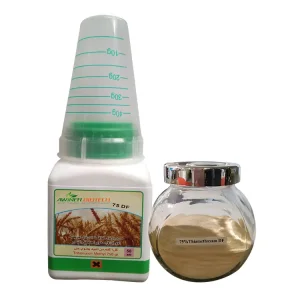
Formulating high-concentration products like Tribenuron-methyl 75% WDG or Thiamethoxam 75% WDG requires state-of-the-art fluid-bed granulators and air-jet jet pulverizers capable of achieving particle sizes under 5 microns. This ensures rapid dispersion, zero nozzle clogging in agricultural spray booms, and superior field coverage.
Every production batch undergoes high-performance liquid chromatography (HPLC), gas chromatography (GC), particle size distribution analysis, and accelerated storage stability testing (at 54°C for 14 days) to guarantee strict adherence to FAO/WHO specification thresholds prior to export clearance.
Tailored chemical strategy recommendations matching unique regional climate profiles, soil compositions, and pest spectrums across key global cotton belts.
Environment: Hot, arid summer climate with high evapotranspiration and alkaline soils.
Challenge: Early-season soil moisture loss, severe Spider Mite outbreaks (Tetranychus urticae), and late-season leaf drop timing.
Recommended Strategy: Deploy Hexythiazox 5% EC early at ovicidal stage combined with Abamectin 3.6% EC. Apply plant growth regulators like 6-BA 2% SP to stimulate root depth and heat tolerance during flowering.
Environment: Monsoon moisture cycles paired with intense heat and high humidity.
Challenge: Endemic Whitefly (Bemisia tabaci) vectoring Cotton Leaf Curl Virus (CLCuV), plus Pink Bollworm resistance.
Recommended Strategy: Utilize tank mixes of Thiamethoxam 141g/L + Lambda-Cyhalothrin 106g/L SC for immediate knockdown and residual systemic control. Apply broad-spectrum fungicides such as Azoxystrobin during high-humidity canopy closure.
Environment: Large-scale mechanized operations with high rainfall and heavy weed seed banks.
Challenge: Glyphosate-resistant broadleaf and grass weeds alongside severe Ramularia leaf spot pressure.
Recommended Strategy: Integrate selective grass killers such as Clodinafop-propargyl and broad-spectrum non-selective herbicides like Glufosinate-ammonium 20% SL for clean row maintenance prior to mechanical harvest.
Empowering agricultural success across more than 30 nations through rigorous R&D, global exhibition presence, and field agronomy support.
Awiner Biotech was founded in 2006, located in north of China - Shijiazhuang, Hebei Province. The city is close to our capital Beijing, transportation is convenient. Awiner Biotech is committed to research, produce and distribute agrochemicals, mainly deal with pesticides, herbicides, fungicides, plant growth regulator and public health pesticides.
With state-of-the-art synthesis infrastructure, multi-lingual commercial support, and dedicated regulatory teams, Awiner Biotech provides customized OEM/ODM packaging, registration dossier assistance, and technical agronomic consultation tailored to commercial cotton operations globally.
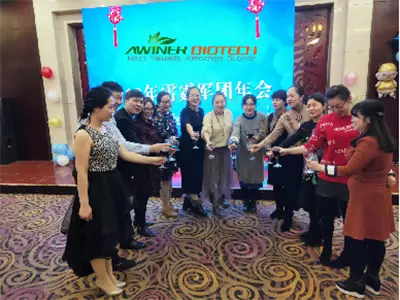
Up to now, we have won customers from Iraq, Iran, Afghanistan, Pakistan, India, Libya, Syria, Turkey, Yemen, Ukraine, Russia, Kazakhstan, Uzbekistan, Chile, Bolivia, Mexico, Brazil, Paraguay, Nigeria, Djibouti, Rwanda, Somalia, Malaysia, Cambodia, Nepal, Myanmar and so on.
Our countries participating in the exhibition are Turkey, Iran, Pakistan, Nigeria, Russia, Cambodia, Malaysia, Uzbekistan, etc., where we present cutting-edge agrochemical formulations to local distribution partners.
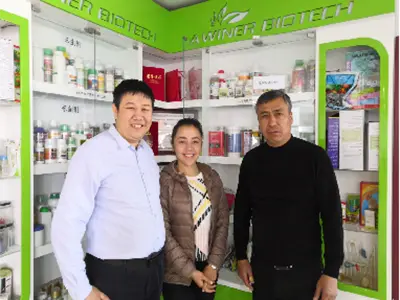
We go to the customer's country to conduct market inspections, analyze and solve problems for them, understand their product usage, and customers will also visit our manufacturing plants in China.
Explore our secondary spectrum of specialized active ingredients engineered for targeted weed control, biting insect knockdown, and soil pest eradication.
Direct responses to key procurement queries, active ingredient safety protocols, tank-mix compatibility guidelines, and chemical handling standards.
6-Benzylaminopurine (6-BA 2% SP) stimulates cell division, promotes lateral bud formation, and reduces boll shedding. Timing is essential: applying 6-BA during early squaring or first bloom enhances canopy structure without inducing stress. Dilution rates should be precisely calibrated based on soil moisture levels to avoid vegetative over-growth.
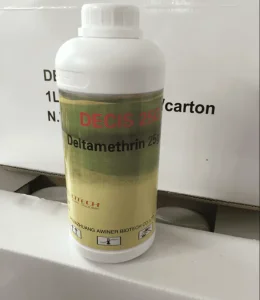
Formulation stability in products like Hexythiazox 5% EC or Deltamethrin 2.5% EC depends on choosing high-purity hydrophobic solvents and non-ionic/anionic surfactant pairs. Our factory subjects every batch to CIPAC MT 36.3 emulsion tests, evaluating crystallization, creaming, and phase separation under hard water conditions (up to 342 ppm CaCO3 equivalent) across diverse thermal ranges (-10°C to 54°C).
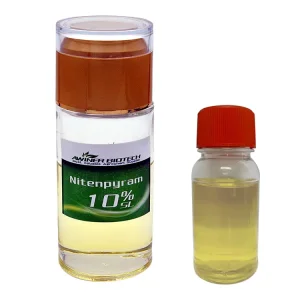
Seed treatments containing Imidacloprid, Carbendazim, and Metalaxyl protect early germination phases up to 21-28 days post-emergence. Once true leaves emerge, foliar applications of Thiamethoxam + Lambda-Cyhalothrin or Nitenpyram 10% SL can be safely integrated based on field monitoring threshold counts for sap-feeding pests like aphids, thrips, and whiteflies.
Glufosinate-ammonium is a non-selective contact herbicide. To prevent non-target phytotoxicity on cotton foliage, use shielded spray booms, anti-drift air-induction nozzles, and low operating pressures (1.5 - 2.5 bar). Avoid application when wind speeds exceed 10 km/h or during thermal inversions.
We assist international importers with comprehensive registration packages, including Certificate of Analysis (CoA), Certificate of Origin (CO), FAO specification compliance datasheets, MSDS/SDS in multiple languages, and GLP-accredited toxicological and environmental fate dossiers required by ministries of agriculture globally.
Standard bulk TC/TK orders feature flexible MOQs starting at 1,000 L/KG, while customized retail packaging (100ml to 20L HDPE/fluorinated containers) typically requires 3,000 L/KG per formulation. Synthesis and packaging lead time ranges between 15 to 25 days post-label artwork approval, with direct ocean freight departure from Tianjin or Qingdao ports.
 Awiner Biotech