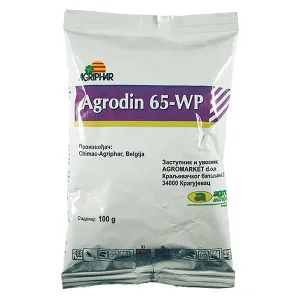
High-purity technical grade chemicals and advanced formulations manufactured under ISO-certified Industry 4.0 standards.
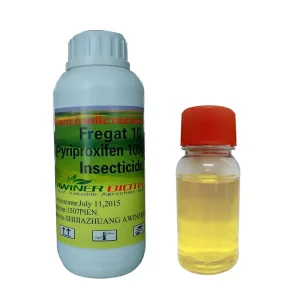
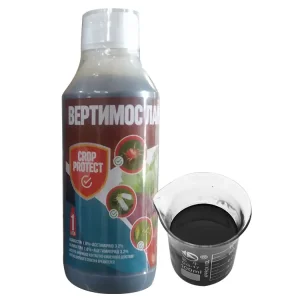
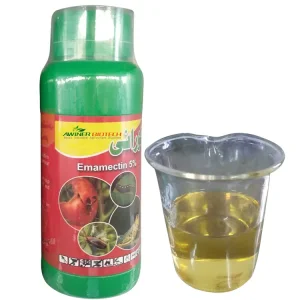
Strategic shift from manual labor picking to high-efficiency, fully mechanized cotton harvesting systems globally.
Modern cotton production relies heavily on spindle pickers and stripper harvesters. Mechanical harvesters require green foliage to be chemically detached (defoliation) and green bolls to be opened uniformly. China #cottonharvestaid chemical solutions ensure minimal lint stain and reduction of leaf trash content below critical export benchmarks.
Achieving successful harvest aid performance in unpredictable late-season climates requires dual-action chemistry: hormonal abscission agents combined with physiological desiccants. Formulations engineered in China balance active ingredients like Thidiazuron (TDZ), Ethephon, and Plant Growth Regulators (PGRs) such as Gibberellic Acid (GA3) for controlled senescence without leaf freezing.
Premature leaf drop without boll rot protection risks severe yield penalties. Incorporating spectrum fungicides like Triadimenol or Cyprodinil alongside insecticides such as Acetamiprid + Abamectin shields open bolls against late-season fungal pathogens and honeydew contamination from aphids and whiteflies.
How Chinese chemical synthesis clusters provide unmatched volume scalability, formulation purity, and global logistics stability.
China's agrochemical ecosystem is built upon vertical integration—from basic raw petrochemical intermediates to technical grade active ingredients (TC) and final emulsifiable concentrates (EC), water-dispersible granules (WDG), or soluble powders (SP). This complete chain insulates global buyers from raw material volatility.

| Active Ingredient / Product | Formulation Type | Agronomic Target / Application | Recommended Synergy Window |
|---|---|---|---|
| Thidiazuron + Ethephon Solutions | SC / EC | Hormonal leaf defoliation & boll opening acceleration | 60-70% Open Bolls (Pre-Harvest 14 Days) |
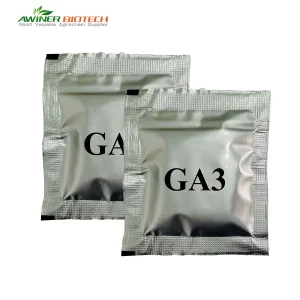
| Gibberellic Acid (GA3) | 10% SP / 90% TC | Growth regulation, uniform boll maturity & stress recovery | Early to mid-boll development phases |
| Acetamiprid + Abamectin | 32g/L + 18g/L EC | Late-season aphid, whitefly & mite control (Honeydew reduction) | Tank-mixed with defoliants at leaf-drop stage |
| Cyprodinil / Triadimenol | 50% WDG / 25% EC | Preventing late boll rot, Botrytis cinerea & foliar spot fungi | Pre-defoliation or combined spray treatment |
| Emamectin Benzoate | 2% EC / 5% WDG | Eradication of cotton bollworm (Helicoverpa armigera) & caterpillars | Boll ripening period prior to picker operation |
Tailoring chemical application protocols according to temperature gradients, moisture levels, and mechanical harvest techniques in global cotton hubs.
Arid regions experience sharp night temperature drops during autumn harvest. Sourcing high-activity TDZ formulations reinforced with thermal enhancers allows defoliation at lower ambient temperatures (<18°C) without compromising leaf abscission efficiency.
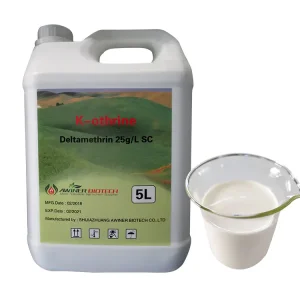
Extremely lush vegetative canopy requires tank mixing defoliants with strong desiccants and broad-spectrum insecticides like Lambda-Cyhalothrin 2.5% EC or Deltamethrin 2.5% EC to clear bollworm outbreaks prior to rain events.
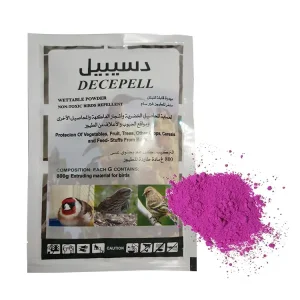
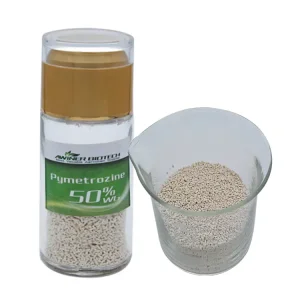
In regions with high late-season sap-sucking insect pressures, combining defoliants with non-lethal deterrents (such as Bird Repellent Gel for granaries/storage fields) and Buprofezin / Pymetrozine 50% WDG prevents whitefly honeydew ruining fiber grade.
Demonstrating nearly two decades of agrochemical excellence, export authority, and customer-centric crop protection solutions.
Awiner Biotech was founded in 2006, located in the north of China—Shijiazhuang, Hebei Province. The city is close to our capital Beijing, with extremely convenient transportation logistics. Awiner Biotech is deeply committed to researching, producing, and distributing premium agrochemicals worldwide. We mainly deal with pesticides, herbicides, fungicides, plant growth regulators, and public health pesticides.
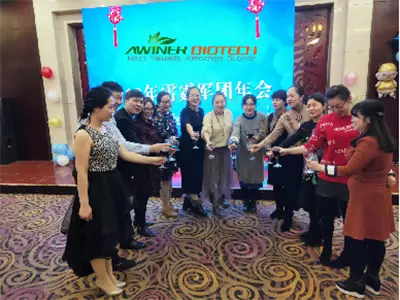
Up to now, we have won trusted long-term customers from Iraq, Iran, Afghanistan, Pakistan, India, Libya, Syria, Turkey, Yemen, Ukraine, Russia, Kazakhstan, Uzbekistan, Chile, Bolivia, Mexico, Brazil, Paraguay, Nigeria, Djibouti, Rwanda, Somalia, Malaysia, Cambodia, Nepal, Myanmar, and beyond.
We regularly participate in premier international agrochemical trade expos across key agricultural hubs including Turkey, Iran, Pakistan, Nigeria, Russia, Cambodia, Malaysia, Uzbekistan, and more to share technology and expand global supply channels.
We actively travel to customer regions to conduct on-site field inspections, analyze localized pest/defoliation issues, understand product usage performance, and host foreign business delegations at our factory headquarters.
Complete crop stewardship formulations from plant growth regulators to high-efficiency insecticides and broad-spectrum fungicides.
Expert answers regarding China #cottonharvestaid manufacturing specifications, tank-mix compatibility, thermal thresholds, and export logistics.
The standard agronomic benchmark for applying harvest aids is when 60% to 70% of total cotton bolls are fully mature and open, or when the heat unit accumulation reaches 850 DD60s post-cutout. Applying too early risks lower fiber micronaire and seed weight, whereas applying too late under cold temperatures reduces chemical uptake efficiency.
China #cottonharvestaid manufacturers engineer synergistic formulations that pair physiological defoliants (like TDZ + Ethephon) with rapid-knockdown systemic insecticides such as Acetamiprid + Abamectin or Pymetrozine 50% WDG. This combined treatment eliminates late-season aphids and whiteflies within 24-48 hours, eliminating sugar secretion before mechanical pickers field work.
Yes. Gibberellic Acid (GA3 10% SP) is widely used as a plant growth regulator (PGR) during the crop reproductive development phase to balance vegetative vigor and enhance boll set strength. When managed properly in early-stage crop planning, it improves boll uniform maturity, ensuring maximum efficacy when defoliants are applied later.
Including high-potency broad-spectrum fungicides such as Cyprodinil (50% WDG / 75% WDG) or Triadimenol (25% EC) in pre-harvest sprays prevents fungal pathogens (such as Botrytis cinerea and Fusarium spp.) from infecting exposed lint during rainy harvest periods, preserving lint grade and reflectance.
Awiner Biotech provides full regulatory support, including ICAMA certificates, Certificate of Analysis (COA), Certificate of Origin (COO), FAO-spec analytical testing dossiers, and free sample dispatch to facilitate seamless registration with Ministries of Agriculture across South America, Central Asia, and Africa.
 Awiner Biotech