Industrial-Grade Insecticides, Miticides, and Bio-Pesticides Manufactured for Global Agricultural Distributors
Analyzing Yield Bottlenecks, Vector-Borne Viruses, and the Shift Toward Precision Agrochemical Synthesis
Cucumber crops (Cucumis sativus) face persistent threats from piercing-sucking arthropods, predominantly Bemisia tabaci (Whiteflies), Frankliniella occidentalis (Thrips), and Aphis gossypii. Beyond direct feeding damage, these vectors transmit devastating viral complexes such as Cucumber Vein Yellowing Virus (CVYV) and Cucurbit Yellow Stunting Disorder Virus (CYSDV).
Over-reliance on single-site organophosphates and conventional pyrethroids has triggered high metabolic resistance (target-site mutations & P450 detoxification) in field populations. Modern commercial farming demands rotational multi-site active combinations and bio-pesticide formulations engineered by specialized chemical manufacturers.
Global food supply chains enforce strict Maximum Residue Limits (MRLs) and short Pre-Harvest Intervals (PHI). Importers and large enterprise farms require customized active concentrations (e.g., low-toxicity EC, WDG, and SC formulations) that eliminate target pests while complying with EU, EPA, and CODEX Alimentarius standard thresholds.
To prevent resistance development in greenhouse and field-grown cucumbers, Chinese OEM chemical factories synthesize synergistic combination formulations targeting specific insect physiology:
| Target Insect / Mite | Primary Damage / Vector Impact | Recommended Active Combination | IRAC MoA Classification | Field Efficacy Standard |
|---|---|---|---|---|
| Whitefly (Bemisia tabaci) | Sooty mold growth, CYSDV viral vector | Acetamiprid + Abamectin | Group 4A (Neonicotinoid) + Group 6 (Avermectin) | >98.5% Nymph & Adult Mortality |
| Western Flower Thrips | Silvering foliage, fruit scarring, MYSV transmission | Thiamethoxam 25% WDG | Group 4A Neonicotinoid Systemic Action | Rapid Systemic Translocation (2-4 hrs) |
| Two-Spotted Spider Mite | Stippling leaf chlorosis, web spinning, rapid defoliation | Abamectin + Spirodiclofen | Group 6 + Group 23 (Lipid Synthesis Inhibitor) | Complete Ovicidal & Adulticidal Clearance |
| Cotton Aphid (Aphis gossypii) | Leaf curling, honeydew secretion, CMV vector | Dimethoate + DDVP EC | Group 1B Organophosphate Dual Contact/Vapor | Immediate Knockdown Effect |
Key Procurement Criteria for International Agrochemical Importers, Wholesalers, and Industrial Commercial Farms
International buyers mandate rigorous batch testing. Premium Chinese manufacturers utilize High-Performance Liquid Chromatography (HPLC) and Gas Chromatography (GC) to guarantee exact active ingredient content (e.g., Acetamiprid 32g/L + Abamectin 18g/L EC), ensuring zero unreacted chemical impurities or unstable isomers.
Cucurbit foliage possesses a waxy cuticle layer. Procurement specifications require high-adhesion bio-surfactants and anti-foaming agents. Suspension Concentrates (SC) and Water Dispersible Granules (WDG) must demonstrate low-viscosity flowability, non-caking characteristics, and long-term emulsion stability across extreme climate ranges (-10°C to 55°C).
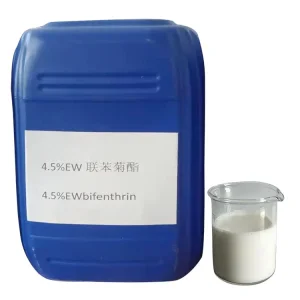
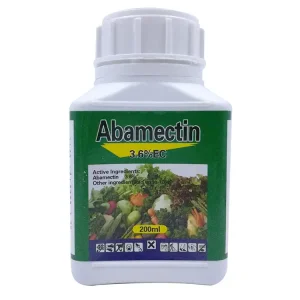
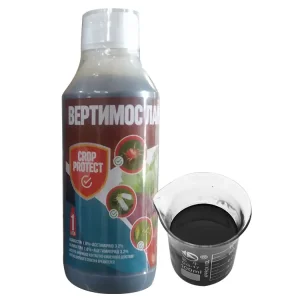
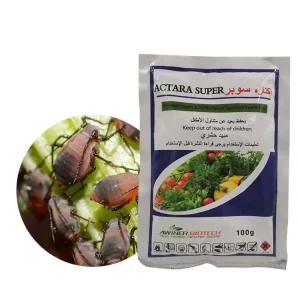
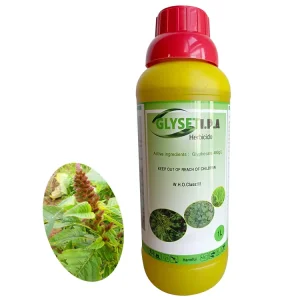
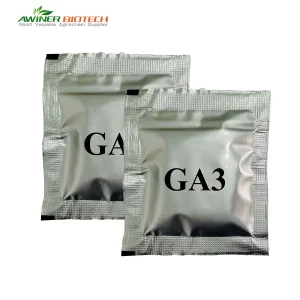
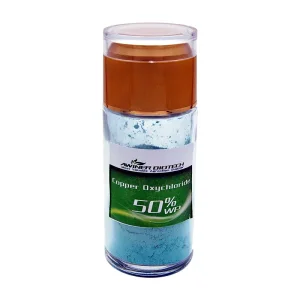
B2B importers require flexible, export-ready packaging. Chinese manufacturing hubs provide custom HDPE bottles, aluminum foil sachets, fluorinated containers, and 200L steel drums with multi-lingual label compliance (UN Dangerous Goods certification, GHS hazard pictograms, and regional registration dossiers).
Unrivaled Economies of Scale, Raw Material Synthesis Integration, and Automated Formulation Infrastructure
China’s chemical industrial parks synthesize foundational precursor intermediates (such as cyclopentadiene, chloronicotinyl compounds, and avermectin fermentation broths) directly on-site. This vertical integration buffers international buyers against global raw material price fluctuations.
Modern agrochemical factories in Hebei and North China deploy fully automated fluid bed granulation lines, micro-emulsification reactors, and robotic bottling lines, producing up to 50,000 metric tons of agricultural crop protection formulations per annum under ISO 9001 and ISO 14001 standards.
Proximity to major deep-water ports like Tianjin and Qingdao enables rapid containerized shipping of hazardous (Class 6.1 / Class 3) and non-hazardous agricultural inputs, drastically reducing supply chain lead times for international agricultural distributors.
Tailored Pest Control Strategies for High-Tech Glasshouses, Poly-Tunnels, and Open-Field Cultivation
In regions such as Saudi Arabia, UAE, and Jordan, high greenhouse temperatures accelerate whitefly breeding cycles. Utilizing continuous systemic soil drenches with Thiamethoxam 25% WDG coupled with foliar spray rotations of Acetamiprid + Abamectin EC ensures non-stop systemic leaf protection while reducing thermal degradation of active ingredients.
Across Brazil, Mexico, and Chile, open-field commercial cucumber production struggles with intense pressure from leafminers (Liriomyza species) and spider mites during humid summer periods. Dual-action active blends incorporating Abamectin + Spirodiclofen deliver superior translaminar activity, penetrating upper leaf cuticles to eradicate larvae hidden within leaf parenchyma.
In Russia, Kazakhstan, and Uzbekistan, short growing seasons demand rapid-acting contact insecticides. Tank-mix combinations featuring Dimethoate 20% + DDVP 20% EC provide instant vapor and contact knockdowns for aphid flare-ups, preserving vegetative canopy vigor during critical flowering stages.
Empowering Global Agriculture with High-Purity Agrochemical Solutions Since 2006
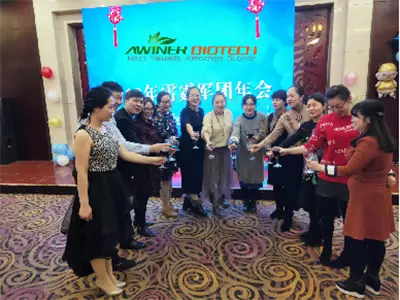
Awiner Biotech was founded in 2006, located in the north of China - Shijiazhuang, Hebei Province. The city is close to our capital Beijing, with convenient transportation hubs connecting us directly to major international container ports.
Awiner Biotech is committed to research, produce, and distribute top-tier agrochemicals. We mainly deal with pesticides, herbicides, fungicides, plant growth regulators, and public health pesticides.
Global Market Reach: Up to now, we have won customers from Iraq, Iran, Afghanistan, Pakistan, India, Libya, Syria, Turkey, Yemen, Ukraine, Russia, Kazakhstan, Uzbekistan, Chile, Bolivia, Mexico, Brazil, Paraguay, Nigeria, Djibouti, Rwanda, Somalia, Malaysia, Cambodia, Nepal, Myanmar, and beyond.
Our dedication to customer growth extends beyond chemical synthesis. Awiner Biotech actively participates in leading international agricultural machinery and agrochemical exhibitions worldwide.
Addressing Common Inquiries from Agrochemical Importers, B2B Sourcing Directors, and Enterprise Formulators
Comprehensive Fungicides, Herbicides, Plant Growth Regulators, and Public Health Solutions
 Awiner Biotech