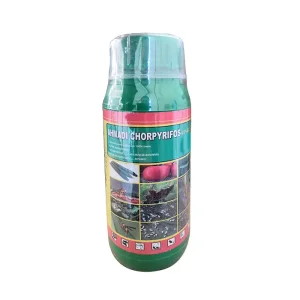
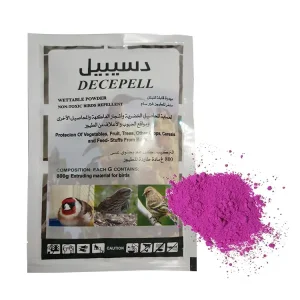
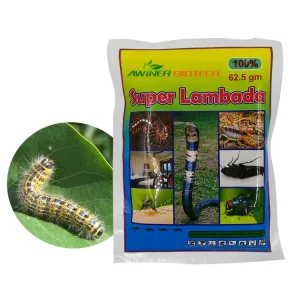
Industrial-grade agrochemical solutions formulated for maximum efficacy, physiological leaf drop, and lint preservation.
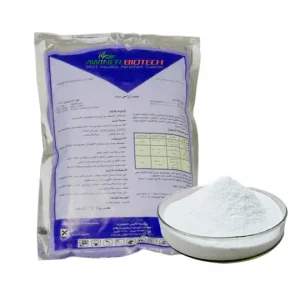
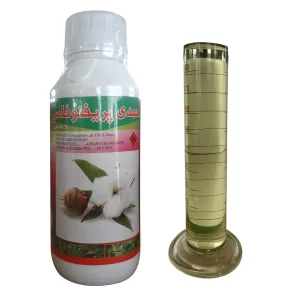
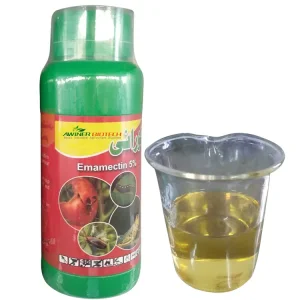
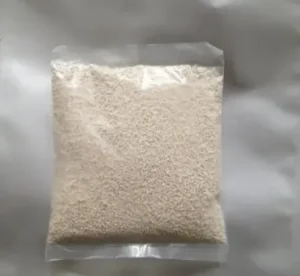
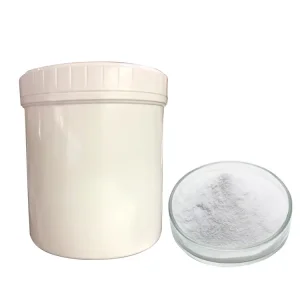
The transition from manual hand-picking to fully mechanized spindle and stripper harvesting represents one of the most critical paradigm shifts in modern industrial agriculture. Machine picking demands immaculate crop preparation: leaves must be entirely shed, remaining bolls accelerated to uniform opening, and plant tissue desiccated without causing leaf freeze or stem brittleness. Modern commercial cotton farming across Xinjiang (China), the US Cotton Belt, Mato Grosso (Brazil), Central Asia (Uzbekistan), and Australia relies heavily on high-potency harvest aid chemical systems. In this ecosystem, sourcing top-tier defoliants from established manufacturing hubs in China has become a cornerstone strategy for global agricultural conglomerates, agro-chemical distributors, and large-scale farming co-operatives.
Chemical defoliation is not merely a desiccation process; it is a sophisticated physiological intervention. The primary objective is to trigger an ethylene biosynthesis cascade within the petiole abscission layer while inhibiting auxin transport. This causes the plant to cleanly drop green leaves prior to mechanical picker entry. Achieving a high leaf-drop percentage directly correlates with reduced trash content, lower stain grades, decreased moisture during ginning, and preserved fiber length and micronaire quality.
Mechanized cotton pickers operate at high ground speeds. Green leaves cause spindle twist, green leaf stain, and increase moisture in harvested seed cotton, leading to self-heating and fiber degradation during module storage.
Proper application of defoliant + boll opener combinations guarantees premium lint color grades (White vs. Light Spotted), maximizing market quotes per metric ton at the ginning mill.
As a global synthesis power-house, China manufactures high-purity Thidiazuron (TDZ), Diuron, and Ethephon technical grade products, backed by world-class SC, WDG, and EC formulation facilities.
To achieve optimal defoliation under varying climatic conditions, chemical engineers and agronomists utilize synergistic combination formulations. The industry benchmark for machine-picked cotton defoliation relies heavily on the dual action of Thidiazuron (TDZ) and Diuron, frequently tank-mixed or co-formulated with Ethephon.
| Active Ingredient / Formulation | Primary Mode of Action | Recommended Dosage (a.i./ha) | Key Operational Advantages |
|---|---|---|---|
| Thidiazuron (TDZ) 540g/L SC / 50% WDG | Substituted phenylurea; mimics cytokinin activity, stimulates ethylene release, induces natural leaf abscission without killing cells prematurely. | 120 - 240 g/ha | Prevents leaf stuck ("freezing"); excellent regrowth suppression; maintains fiber purity. |
| Thidiazuron 360g/L + Diuron 180g/L SC | Dual mechanism: TDZ activates abscission zone; Diuron inhibits Photosystem II, accelerating leaf senescence under cooler temperatures. | 150 - 300 g/ha combined | Superior low-temperature reliability (down to 16°C-18°C); synergistic speed of leaf drop (7-10 days). |
| Ethephon 480g/L SL / 720g/L SL | Ethylene-releasing plant regulator; breaks boll pericarp dormancy and accelerates internal boll dehiscence. | 600 - 1050 g/ha | Synchronizes boll opening; boosts first-pick yields; reduces harvest operations to a single pass. |
| Organosilicone / Methylated Seed Oil (MSO) Adjuvants | Surfactant & penetrant; reduces surface tension of spray droplets, enabling fast cuticular penetration on waxy cotton leaves. | 0.1% - 0.25% v/v | Enhances rainfastness within 2 hours; optimizes aerial drone (UAV) droplet distribution. |
When Thidiazuron is absorbed by mature cotton leaves, it alters the hormonal equilibrium within the pulvinus tissue. Auxin flow from the leaf blade down the petiole is restricted. Concurrently, the synthesis of cellulase and pectinase enzymes in the abscission zone at the base of the petiole is upregulated. These enzymes digest the middle lamella between cell layers, allowing the leaf to detach under its own weight while leaving the vascular terminal sealed. This prevents sap bleeding and preserves fiber cleanliness.
B2B procurement of cotton defoliants from Chinese manufacturers involves complex evaluation criteria. Importers, regional distributors, and large agro-enterprises seek more than competitive factory quotes; they demand robust supply chain integration, strict active ingredient purity guarantees, customized formulation stability, and international regulatory support.
High-purity TC (Thidiazuron ≥98% TC, Diuron ≥98% TC) for local formulation plants in South America and Central Asia seeking cost optimization.
High-stability Suspension Concentrates (SC) engineered specifically for low-volume UAV drone applications and high-clearance boom sprayers.
Customized packaging configurations ranging from 1L HDPE bottles to 200L drums and 1000L IBC totes with multi-lingual compliance labeling.
Complete GLP study reports, FAO standard technical packages, MSDS, COA, and ICAMA data supporting national registration processes.
Achieving flawless defoliation requires strict adherence to agronomic timing and environmental parameters. Field failures are rarely caused by defective chemicals; rather, they stem from improper timing, bad water volume, or unexpected temperature drops. Below is the industry-standard operational roadmap engineered by Awiner Biotech's technical field support team.
Application must commence only when naturally opened bolls reach 60% to 70% across the field, and the youngest harvestable boll at the plant top is mature (seeds have darkened coat, cotyledons folded inside with no gelatinous interior liquid). Applying too early reduces micronaire and seed weight.
Thidiazuron requires active plant transpiration. Daily minimum temperatures should ideally remain above 18°C (64°F) for 3-5 days post-application. For late-season fields experiencing cold fronts (12°C - 16°C), the formulation must switch to a higher ratio of Diuron (e.g., TDZ 360 + Diuron 180 SC) combined with specialised organosilicone adjuvants.
Ground boom sprayers should utilize 200-300 L/ha water volume with hollow-cone nozzles operating at 40-60 PSI to ensure deep canopy penetration. Agricultural UAV drones require concentrated formulations (15-30 L/ha water volume) with anti-drift additives to prevent droplet evaporation before canopy contact.
For single-pass pre-harvest management, combine: Thidiazuron 540g/L SC (150ml/ha) + Ethephon 480g/L SL (1000ml/ha) + Penetrant Adjuvant (150ml/ha). This triggers 95%+ defoliation and 90%+ boll opening within 10 to 14 days, preparing the field for mechanical picker entry.
Awiner Biotech was founded in 2006, located in the north of China—Shijiazhuang, Hebei Province. The city is strategically located close to China's capital, Beijing, benefiting from convenient transportation networks, advanced chemical manufacturing clusters, and direct access to major international export ports like Tianjin Port.
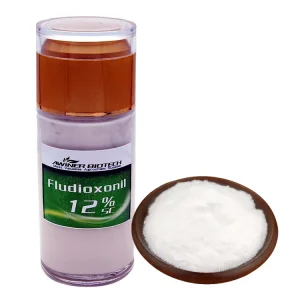
Awiner Biotech is deeply committed to researching, producing, and distributing premium agrochemicals worldwide. We specialized in herbicides, insecticides, fungicides, plant growth regulators (PGRs), and public health pesticides, delivering tailor-made chemical solutions for large-scale industrial farming.
Up to now, we have established long-term strategic partnerships and won satisfied customers across more than 30 nations worldwide, spanning Central Asia, the Middle East, South America, Eastern Europe, and Africa:
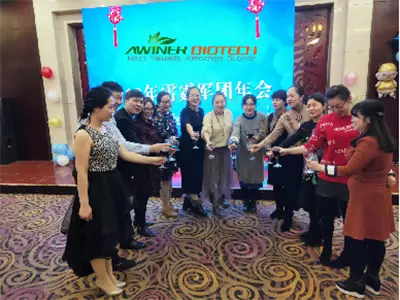
Our team regularly participates in premier agrochemical exhibitions worldwide, including events in Turkey, Iran, Pakistan, Nigeria, Russia, Cambodia, Malaysia, Uzbekistan, and more, establishing strong face-to-face trust with regional distributors.
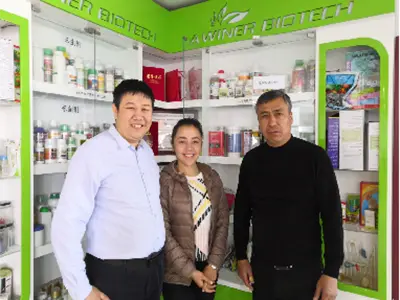
We go directly to our customers' countries to conduct in-depth market inspections, analyze regional pest/crop challenges, optimize formulation performance for local weather, and host customer delegations at our factory in Shijiazhuang.
With automated liquid SC/SL filling lines, WP/WDG processing workshops, and rigid QA testing, Awiner Biotech guarantees fast order turnarounds, zero-leakage packaging, and seamless customs clearance support.
In accordance with Google's E-E-A-T (Experience, Expertise, Authoritativeness, and Trustworthiness) standards, agrochemical transactions demand rigorous quality control protocols and verifiable documentation to protect farming yields and environmental safety.
All Thidiazuron and Diuron technical batches undergo High-Performance Liquid Chromatography (HPLC) testing to verify active ingredient concentration, residual free phenol control, and particle size distribution (d90 < 5 microns for SC formulations).
Formulations undergo 54°C high-temperature accelerated storage testing for 14 days and -5°C cold storage testing to ensure zero phase separation, crystallization, or sediment formation during long-distance ocean freight.
We provide complete import documentation including COA (Certificate of Analysis), MSDS (Material Safety Data Sheet), Certificate of Origin, ICAMA registration dossiers, and SGS/BV third-party pre-shipment inspection certificates.
The future of cotton harvest aids is driven by environmental sustainability, ultra-low volume precision application, and climate-resilient formulations. Awiner Biotech's R&D pipeline is focused on three strategic pillars:
Developing sub-micron suspended particles that increase cuticular absorption rate by 35%, drastically reducing active ingredient requirements per hectare while enhancing low-temperature activation.
Integrating natural plant peptide signalers with TDZ chemistry to accelerate leaf petiole cell wall degradation without causing leaf browning or sticking.
Engineering specialized oil-in-water micro-emulsion carriers designed specifically for autonomous drone spraying in arid regions such as Central Asia and Northwest China.
Direct technical insights regarding procurement, formulation specs, application windows, and logistics.
Explore our broader technical agrochemical range engineered for holistic farm management.
 Awiner Biotech