High-purity technical grade chemicals and fast-acting crop conditioning agents direct from top Chinese manufacturing hubs.
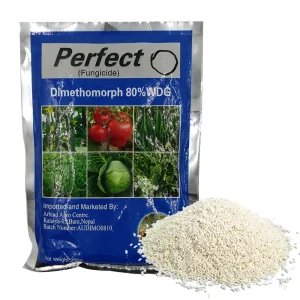
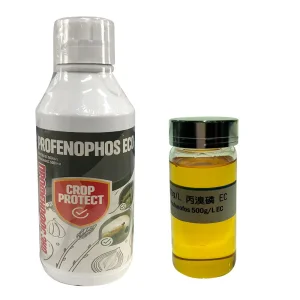
Optimizing mechanical harvest schedules, enhancing lint grade purity, and minimizing green leaf stain risks in modern high-density cotton farming.
Fast-acting cotton defoliants function by disrupting the hormonal balance between endogenous auxins and ethylene within the leaf petiole. Modern chemical combinations (such as Thidiazuron + Diuron paired with Ethephon) stimulate hydrolytic enzymes—specifically cellulase and polygalacturonase—to dissolve the middle lamella in the petiole abscission layer, forcing rapid, clean foliage shedding without causing leaf freezing or desiccation sticky residue.
Beyond leaf removal, high-efficiency defoliants accelerate seed cotton dehydration and boll dehiscence. Ethylene-releasing compounds force uniform boll opening, allowing commercial growers to compress multi-pass harvesting schedules into a single, highly efficient mechanical sweep with spindle pickers or stripper harvesters, reducing field exposure to unpredictable late-autumn precipitation.
Green leaf fragments left during mechanical harvesting cause severe staining and increase trash content (foreign matter percentage) in ginning facilities. Utilizing premium Chinese fast-acting defoliants guarantees complete leaf abscission within 3 to 7 days, maintaining trash levels below 1.5% and preserving premium micronaire, fiber length, and color grade indicators demanded by global textile spinners.
While traditional single-component Thidiazuron formulations require 10 to 14 days under ambient conditions above 20°C, modern Chinese multi-component formulations (combining PPO inhibitors like Carfentrazone-ethyl or Pyraflufen-ethyl with TDZ and Diuron) achieve over 90% leaf drop within 72 to 96 hours, even under challenging low-temperature conditions down to 12°C–14°C.
Deciphering active chemical ingredients, synergistic tank mixes, and next-generation formulation technologies driving international agricultural efficiency.
| Active Ingredient / Combination | Formulation Type | Primary Mode of Action | Speed of Defoliation | Recommended Agronomic Window |
|---|---|---|---|---|
| Thidiazuron (TDZ) 500g/L | SC / WP | Cytokinin mimic, inhibits auxin flow, triggers abscission layer | 7 - 10 Days | High ambient temperature (>22°C), high leaf canopy density |
| Thidiazuron + Diuron (360 + 180 g/L) | SC / WP | Dual active: Cytokinin balance disruption + Photosystem II inhibition | 4 - 6 Days | Standard mechanical harvest, suppressing secondary regrowth |
| Ethephon 720g/L + TDZ/Diuron | SL Tank Mix | Ethylene release combined with enzymatic cell degradation | 3 - 5 Days | Pre-harvest boll ripening, synchronized opening before frost |
| Carfentrazone-ethyl + TDZ | EC / SC | Protoporphyrinogen oxidase (PPO) membrane destruction + abscission | 2 - 4 Days | Ultra-fast emergency defoliation, cool climate conditions (<15°C) |
The combination of Thidiazuron (TDZ) and Diuron represents the industry benchmark. TDZ acts as a plant growth regulator that forces ethylene synthesis while suppressing auxin translocation. Diuron acts as a photosystem II inhibitor; at sub-lethal concentrations, it generates reactive oxygen species (ROS) in leaves, accelerating senescence without causing rapid leaf death ("leaf freezing") which causes leaves to cling to stalks.
Traditional defoliants stall when ambient field temperatures fall below 18°C. Advanced Chinese formulations incorporate methylated seed oil (MSO) adjuvants and organosilicone surfactants that lower surface tension below 21 mN/m, enhancing cuticular penetration by 300% and enabling robust leaf abscission down to 12°C.
Leading Chinese manufacturers, including Awiner Biotech, are pioneering micro-encapsulated controlled-release formulations (CS) and biodegradable nano-carrier emulsion systems (NE). These technologies eliminate volatile organic compound (VOC) emissions, optimize active ingredient delivery inside petiole tissues, and achieve complete zero-chemical-residue profiles in lint and seed meal.
Transparent commercial pricing structures, container loading parameters, and bulk contract procurement benchmarks from verified Chinese export facilities.
| Product Name / Technical Grade | Active Standard | Package Specs | MOQ | Indicative Wholesale FOB Price (USD) |
|---|---|---|---|---|
| Thidiazuron Technical (95% TC) | 95% Pure Powder | 25kg Fiber Drum | 500 kg | $42.50 - $48.00 / kg |
| Thidiazuron + Diuron 540g/L SC | 360g/L TDZ + 180g/L Diuron | 1L Bottle / 20L HDPE Drum | 1,000 Liters | $6.80 - $8.20 / Liter |
| Thidiazuron 50% WP | 50% Wettable Powder | 100g Sachet / 1kg Aluminium Bag | 1,000 kg | $14.20 - $16.80 / kg |
| Ethephon 720g/L SL | 720g/L Soluble Liquid | 1L / 5L / 200L Drum | 2,000 Liters | $3.40 - $4.10 / Liter |
| Pendimethalin 330g/L EC | 330g/L Emulsifiable Conc. | 200L Metal Drum / 1000L IBC | 3,000 Liters | $3.90 - $4.60 / Liter |
| Diuron 80% WP | 80% Wettable Powder | 25kg Woven Bag / Custom Pack | 2,000 kg | $4.80 - $5.50 / kg |
Prices fluctuate based on upstream raw material costs (such as phenyl isocyanate and substituted pyrimidines), exchange rate movements, and seasonal demand surges between March and August. Securing annual supply contracts during the October–January production window reduces procurement costs by an estimated 8% to 15%.
Tailoring chemical dosage, carrier volume, and application methods across global agro-climatic zones and mechanical harvesting systems.
In ultra-high-density planting systems (150,000 to 180,000 plants per hectare) with high nitrogen input, dense foliage canopy hinders spray penetration.
Solution: A two-pass application protocol is deployed. Pass 1 applies TDZ 540g/L SC at 150ml/ha with organosilicone drift retardants to defoliate the upper canopy. Pass 2 follows 5 days later with Ethephon 720g/L SL (1500ml/ha) to force uniform bottom-boll cracking and full basal leaf drop.
In regions such as Uzbekistan, Kazakhstan, and Southern Turkey, autumn temperatures drop rapidly. Cold conditions slow plant metabolism, causing single-agent defoliants to fail.
Solution: Tank mixing TDZ + Diuron SC with Carfentrazone-ethyl or Pyraflufen-ethyl. This generates immediate cellular membrane disruption, forcing rapid leaf detachment within 72 to 96 hours before severe frosts jeopardize seed cotton quality.
Unmanned Aerial Vehicles (UAVs) require ultra-low volume (ULV) formulations (15–30 Liters of water per hectare).
Parameters: Spray droplet sizes must be tightly regulated between 180 to 240 microns (VMD) to eliminate drift while avoiding excessive evaporation. Adding specialized anti-evaporation adjuvants and anti-drift polyacrylamide polymers is essential for maintaining uniform spray coverage across dense crops.
| Application Parameters | Tractor Boom Sprayer | UAV Aerial Drone | Handheld / Backpack Sprayer |
|---|---|---|---|
| Water Volume (L/ha) | 300 - 450 L/ha | 15 - 30 L/ha | 400 - 600 L/ha |
| Droplet Size (VMD µm) | 250 - 350 µm | 150 - 220 µm | 300 - 450 µm |
| Operating Wind Limit | < 5.0 m/s | < 3.5 m/s | < 4.0 m/s |
| Adjuvant Recommendation | Non-ionic Surfactant 0.1% | Anti-drift + MSO 0.5% | Standard Sticker 0.05% |
Why Hebei and Chinese chemical industrial clusters represent the world's most reliable production base for global cotton crop management inputs.
China synthesizes over 80% of the world's key technical pesticide intermediates, including phenyl isocyanates and triazine precursors. This complete raw material integration insulates global buyers from intermediate supply bottlenecks, ensuring year-round manufacturing stability.
Modern Chinese formulation plants operate under automated PLC-controlled synthesis lines monitored by HPLC and GC analytical equipment. Compliance with ISO 9001, ISO 14001, and GLP certification guarantees product purity and narrow active ingredient tolerances batch after batch.
Located near major international deep-water ports like Tianjin Port and Qingdao Port, manufacturing hubs like Shijiazhuang offer streamlined logistics. This proximity lowers inland transport costs, enables rapid container dispatch, and cuts order-to-shipment turnaround to 14 days.
Full technical data packages supporting international agrochemical registration, environmental safety compliance, and maximum residue limit standards.
We provide complete registration support packages for international importers and distributors. Dossiers include GLP-accredited 5-batch analysis reports, full eco-toxicological data (mammalian, aquatic, avian, and beneficial insects), environmental fate studies, and long-term storage stability testing according to FAO/WHO specifications.
Adhering strictly to international Maximum Residue Limit (MRL) parameters ensures that harvested lint and cottonseed oil products pass customs inspections across major importing destinations including the European Union, the United States, Japan, and Turkey. Correct pre-harvest intervals (PHI) of 14–21 days guarantee non-detectable residue profiles.
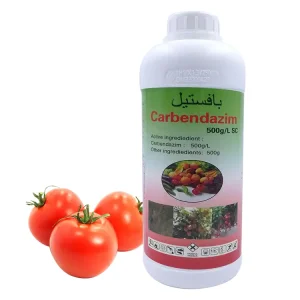
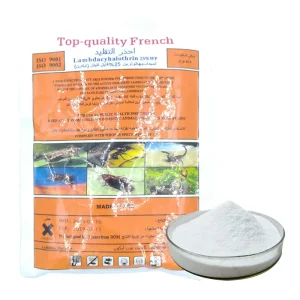
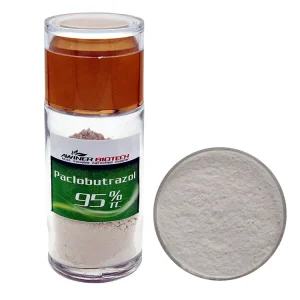
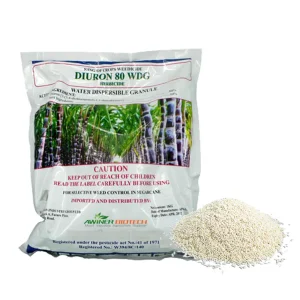
Explore our full line of herbicides, fungicides, insecticides, and plant growth regulators manufactured for export.
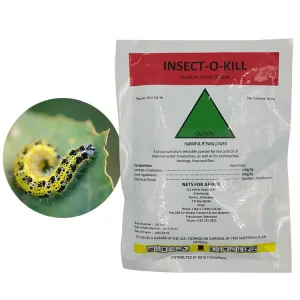
Over 18 years of technical formulation excellence, export reliability, and global field research.
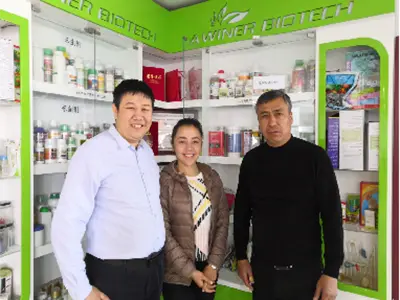
Awiner Biotech was founded in 2006, located in the northern chemical manufacturing hub of Shijiazhuang, Hebei Province. Situated near China's capital, Beijing, our facility benefits from convenient transportation infrastructure and streamlined access to major shipping ports like Tianjin.
Awiner Biotech is dedicated to researching, manufacturing, and distributing high-grade agrochemicals across five primary product lines: pesticides, herbicides, fungicides, plant growth regulators (PGRs), and public health pest control formulations.
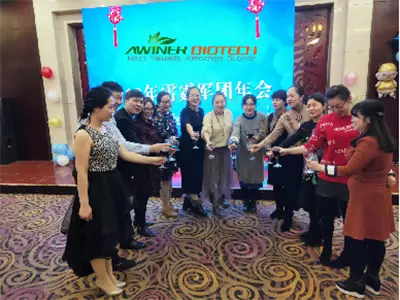
We serve clients across more than 40 nations, including Iraq, Iran, Afghanistan, Pakistan, India, Libya, Syria, Turkey, Yemen, Ukraine, Russia, Kazakhstan, Uzbekistan, Chile, Bolivia, Mexico, Brazil, Paraguay, Nigeria, Djibouti, Rwanda, Somalia, Malaysia, Cambodia, Nepal, and Myanmar.
Our agronomic technical teams actively participate in major global industry expos across key agricultural markets, including Turkey, Iran, Pakistan, Nigeria, Russia, Cambodia, Malaysia, and Uzbekistan.
We conduct regular in-country market surveys and agronomic trial inspections to troubleshoot local challenges, evaluate local spraying equipment, and refine product formulations alongside our commercial partners.
Expert technical and commercial guidance for fast-acting cotton defoliant sourcing and application.
 Awiner Biotech