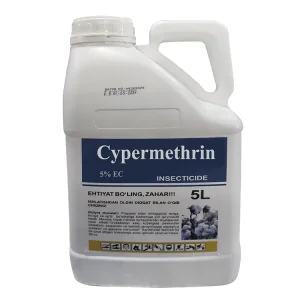
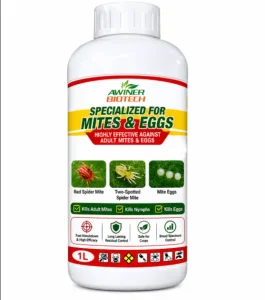
Direct from Chinese Manufacturing Facilities – Formulated for Sub-Saharan African Climates and High Pest Pressure Zones
Understanding the critical role of specialized crop protection chemicals in safeguarding African food security and agricultural productivity.
African agriculture stands at a pivotal historical threshold. With over 60% of the world's uncultivated arable land located across Sub-Saharan Africa, the continent possesses unmatched potential to become a global food basket. However, tropical and sub-tropical farming ecosystems face persistent threats from destructive agricultural pests—such as the Fall Armyworm (Spodoptera frugiperda), Desert Locusts, Whiteflies, Aphids, and Stem Borers. Crop losses due to unchecked infestation regularly exceed 30% to 50%, directly impacting rural livelihoods and regional food supply stability.
To mitigate these risks, agricultural enterprises, importers, and government ministries across African nations rely on robust, cost-effective, and high-efficacy agrochemical solutions. China has established itself as the indispensable global epicentre for agrochemical synthesis and advanced formulation processing. By leveraging fully integrated chemical industrial parks, cutting-edge R&D, raw material self-sufficiency, and massive scale economies, Chinese insecticide suppliers offer African agriculture unmatched strategic advantages: maximum biological efficacy at viable commercial costs.
Key structural factors driving China's competitive dominance in modern crop protection chemical manufacturing.
China controls the complete upstream-to-downstream supply chain for active ingredients (AI), intermediates, and emulsifiers. This vertical integration ensures uninterrupted factory output, stable wholesale pricing, and resistance to global raw material market volatility.
Modern Chinese manufacturing facilities have evolved beyond simple EC (Emulsifiable Concentrate) products. We specialize in eco-friendly, highly stable formulations like WDG (Water Dispersible Granules), SC (Suspension Concentrate), and EW (Emulsion, Oil in Water) engineered specifically to resist heat degradation under tropical sun exposure.
Automated high-capacity production lines reduce per-unit processing costs. This economic efficiency enables African agricultural distributors to offer accessible retail price points to local smallholders and commercial farming estates alike.
Chinese direct suppliers assist African clients with full GLP/FAO data documentation, bio-efficacy trial reports, and ICAMA registration support needed to meet statutory clearance requirements in target markets (e.g., NAFDAC in Nigeria, COSAT in East Africa).
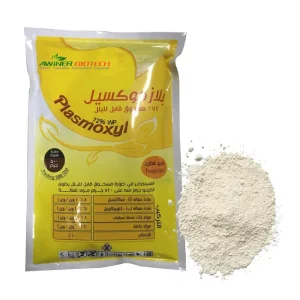
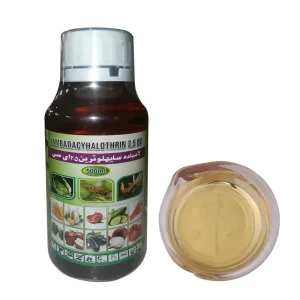
Products intended for Africa feature reinforced, multi-layer aluminum foil barrier bags, HDPE fluorinated containers, and UV-resistant master cartons designed to endure long sea transits, high humidity, and rough inland logistics routes.
Formulating compound insecticidal products combining distinct Modes of Action (MoA)—such as Systemic Neonicotinoids paired with Contact Pyrethroids—prevents rapid pest resistance development in intensive cropping systems.
Tailored pest control protocols matching specific regional agro-ecological zones and crop profiles across the African continent.
| Target African Region | Primary Crop Systems | Dominant Pest Threats | Recommended Factory Formulation & MoA |
|---|---|---|---|
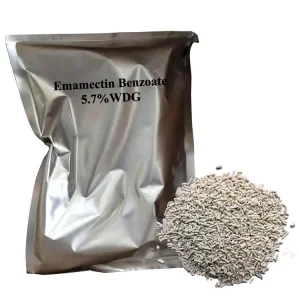
| West Africa (e.g., Nigeria, Ghana, Ivory Coast) | Cocoa, Maize, Cassava, Yam, Oil Palm | Mirids (Capsids), Fall Armyworm, Stem Borers, Whiteflies | Lambda-cyhalothrin + Thiamethoxam SC / Emamectin Benzoate 5.7% WDG |
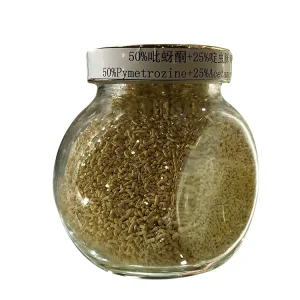
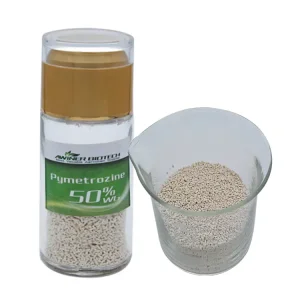
| East Africa (e.g., Kenya, Tanzania, Uganda, Rwanda) | Horticulture, Coffee, Tea, Maize, Flowers | Red Spider Mites, Thrips, Aphids, Bean Fly | Pymetrozine 50% + Acetamiprid 25% WDG / Specialized Acaricides |
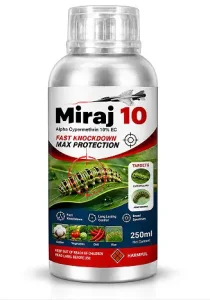
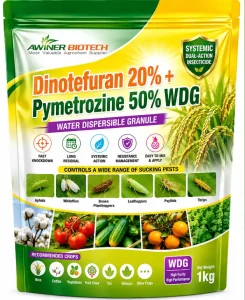
| Southern Africa (e.g., Zambia, Zimbabwe, Mozambique) | Commercial Grain Maize, Cotton, Sugarcane, Tobacco | Bollworms, Leafhoppers, Termites, Armyworms | Alpha-Cypermethrin 10% EC / Dinotefuran + Pymetrozine WDG |
| Horn of Africa & Sahel Zone (e.g., Djibouti, Somalia) | Sorghum, Millet, Pastoral Pastures | Desert Locust Swarms, Grasshoppers, Flea Beetles | High-Concentration Pyrethrum & Cypermethrin EC (Fast Knockdown) |
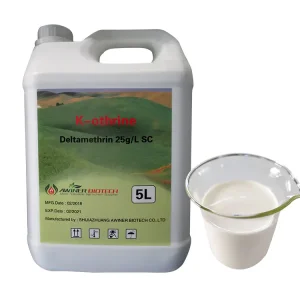
| Urban & Public Health Settings (Pan-African) | Residential Areas, Warehouses, Storage Depots | Malaria Vectors (Anopheles Mosquitoes), Bed Bugs, Flies | Deltamethrin 2.5% EC / Public Health 10% SE |
Traditional Emulsifiable Concentrates (EC) rely heavily on organic solvents which can cause phytotoxicity on sensitive tropical foliage when sprayed during high ambient temperatures (above 30°C). Furthermore, high temperatures accelerate active ingredient breakdown inside standard storage facilities.
To solve these regional challenges, our factory research teams have prioritized Water Dispersible Granules (WDG) and Suspension Concentrates (SC). WDG formulations feature zero organic solvent content, eliminating leaf scorch while offering superior shelf life stability (up to 3 years under tropical storage conditions). Upon mixing with localized water sources—even hard or high-pH water—our WDG formulations rapidly disintegrate without clogging knapsack sprayer nozzles, ensuring uniform field application.
Essential checklist for commercial importers, agricultural co-operatives, and government purchasing bodies.
Leading Chinese chemical factories operate under ISO 9001 and ISO 14001 certifications. Every batch of active ingredient and finished insecticide must undergo rigorous High-Performance Liquid Chromatography (HPLC) and Gas Chromatography (GC) analysis. Demand a certified Certificate of Analysis (COA) specifying precise active content percentages, emulsion stability, wet sieve residue, and pH stability prior to port shipment.
Navigating pesticide registration in African nations requires extensive technical dossiers, including acute toxicity studies, eco-toxicology metrics, environmental fate analysis, and shelf-life data. Partner with factories capable of supplying complete regulatory documentation tailored to national Ministries of Agriculture.
Packaging must strictly comply with UN-approved hazardous material transport standards. Multi-lingual labeling (English, French, Portuguese, Arabic, Swahili) with clear pictorial instructions is critical for safe usage by local farmers. Secure bottle seals prevent leakage during long sea transits and trans-shipment across inland logistics corridors.
Agricultural seasons are strictly bound to weather patterns. A delay in insecticide delivery during an outbreak of Fall Armyworm or Locusts can devastate harvest yields. Select suppliers with established maritime freight agreements, proximity to major ports (such as Tianjin, Qingdao, Shanghai), and guaranteed manufacturing turnaround times.
Over 18 years of specialized research, formulation production, and international market deployment.
Awiner Biotech was founded in 2006, located in the north of China—Shijiazhuang, Hebei Province. The city is strategically positioned close to our capital Beijing, ensuring convenient transportation and swift logistics access.
Awiner Biotech is committed to research, produce, and distribute top-tier agrochemicals. We specialize comprehensively in insecticides, herbicides, fungicides, plant growth regulators, and public health pesticides engineered to meet strict international standards.
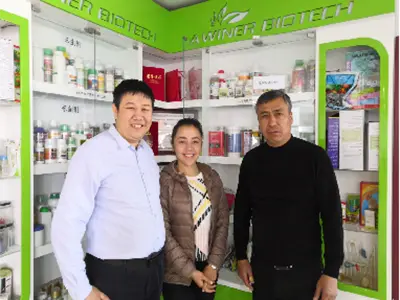
Up to now, we have won trusted long-term clients across Africa, the Middle East, Eurasia, and Latin America, including: Nigeria, Djibouti, Rwanda, Somalia, Libya, as well as Iraq, Iran, Afghanistan, Pakistan, India, Syria, Turkey, Yemen, Ukraine, Russia, Kazakhstan, Uzbekistan, Chile, Bolivia, Mexico, Brazil, Paraguay, Malaysia, Cambodia, Nepal, Myanmar, and beyond.
We actively participate in premier agricultural chemical trade fairs worldwide to engage directly with regional agricultural stakeholders. Key exhibition countries include Nigeria, Turkey, Iran, Pakistan, Russia, Cambodia, Malaysia, Uzbekistan, and more.
We go directly to our customers' countries to conduct on-the-ground market inspections, analyze regional pest outbreaks, solve practical application issues, and observe real-world product usage. Likewise, clients regularly visit our manufacturing facility in Hebei, China.
Expert answers regarding chemical specifications, storage stability, shipping logistics, and crop safety.
Traditional EC (Emulsifiable Concentrate) products contain high levels of organic solvents which evaporate rapidly under tropical heat, causing leaf damage (phytotoxicity) and degrading active ingredients in warm storage conditions. WDG (Water Dispersible Granules) and SC (Suspension Concentrate) are water-based or dry granular formulas that remain chemically stable in high temperatures, eliminate leaf scorch risk, and offer superior shelf life under tropical warehouse conditions.
Insect resistance develops rapidly when farmers repeatedly use single-action active ingredients. Chinese manufacturers overcome this by synthesizing dual-action compound insecticides—such as combining Pymetrozine (a selective feeding blocker) with Acetamiprid or Dinotefuran (systemic neonicotinoids), or mixing Lambda-Cyhalothrin with Thiamethoxam. These multi-target formulations attack pest nervous and feeding systems simultaneously, effectively managing resistant populations in crops like maize, cocoa, and vegetables.
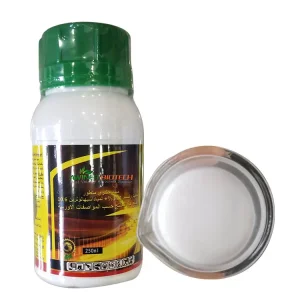
We provide comprehensive OEM packaging services tailored to localized African market demands. Options range from small-holder single-use sachets (5g, 10g, 25g, 100g foil pouches) to 100ml, 250ml, 500ml, and 1-Litre fluorinated HDPE bottles, as well as bulk drums for commercial plantations. All packaging features multi-language printing, anti-counterfeiting security features, and reinforced outer corrugated cartons.
We provide full dossier support including ICAMA certificates, Certificate of Free Sale (CFS), GLP-compliant toxicological reports, physical-chemical property test reports, active ingredient purity verification, environmental impact assessments, and field bio-efficacy trial data necessary for registration clearance across regulatory bodies such as NAFDAC (Nigeria), TPRI (Tanzania), and equivalent authorities.
Most formulated insecticides have a certified shelf life of 2 years to 3 years from the date of manufacture. Products should be stored in cool, well-ventilated, dry warehouses away from direct sunlight, food products, and animal feed. Multi-layer aluminum foil sachets and fluorinated bottles preserve active ingredient concentration even under humid ambient conditions.
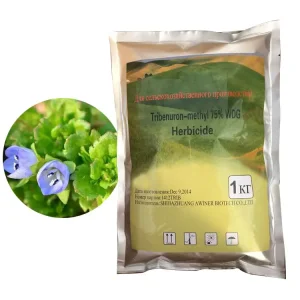
Explore our full line of agricultural insecticides, compound formulations, fungicides, and herbicides available for bulk wholesale.
 Awiner Biotech