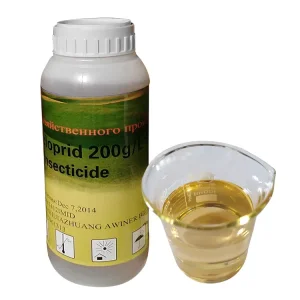
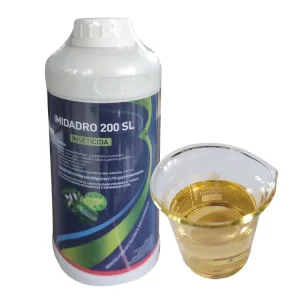
Direct Factory Quotes, Formulations (EC, SC, WDG, SL, EW), and Custom Packaging Options
Understanding Aphid Biological Dynamics, Vector Damage, and Chemical Mode of Action (MoA)
Aphids (superfamily Aphidoidea), including high-impact pest species such as the Green Peach Aphid (Myzus persicae), Cotton Aphid (Aphis gossypii), and Cabbage Aphid (Brevicoryne brassicae), represent one of the most economically devastating vector categories in global agricultural production. Beyond direct phloem sap extraction—which causes plant stunting, leaf curling, and chlorosis—aphids serve as primary vectors for over 150 plant viruses, including Potato Leafroll Virus (PLRV), Cucumber Mosaic Virus (CMV), and Barley Yellow Dwarf Virus (BYDV). Controlling aphid outbreaks demands high-grade, fast-acting, and systemic insecticidal interventions capable of interrupting feeding within minutes to prevent viral inoculation.
Selecting the optimal chemical class depends on crop stage, resistance baseline, and ecological compatibility. China's chemical synthesis infrastructure provides enterprise procurement leads access to technical-grade (TC) actives and formulated solutions across all major IRAC (Insecticide Resistance Action Committee) modes of action:
Actives: Imidacloprid, Thiamethoxam, Acetamiprid.
Mechanism: Nicotinic acetylcholine receptor (nAChR) competitive modulators. Provides rapid systemic translocation through plant xylem, providing extended residual protection for up to 21–28 days against sap-sucking pests.
Actives: Bifenthrin, Lambda-Cyhalothrin, Permethrin.
Mechanism: Sodium channel modulators. Delivers immediate contact knockdown and anti-feeding repellent properties. Highly effective in combination products to suppress target population spikes.
Actives: Abamectin, Natural Pyrethrums.
Mechanism: Glutamate-gated chloride channel (GluCl) allosteric modulators. Ideal for IPM (Integrated Pest Management) programs, offering low environmental persistence and strong translaminar movement.
| Active Ingredient | Standard Technical / Formulations | Primary Crop Applications | Systemic Activity Level | Resistance Risk Level |
|---|---|---|---|---|
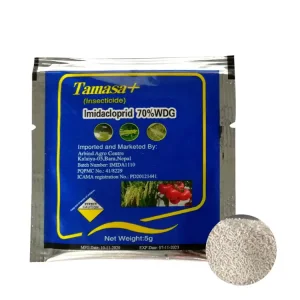
| Imidacloprid | 95% TC, 20% SL, 35% SC, 75% WDG | Cotton, Rice, Vegetables, Citrus | High (Xylem Systemic) | Moderate to High (Requires Rotation) |
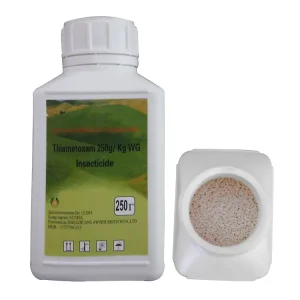
| Thiamethoxam | 98% TC, 25% WDG, 50% FS | Cereals, Seed Treatment, Maize, Soybeans | Very High (Xylem & Foliar) | Moderate |
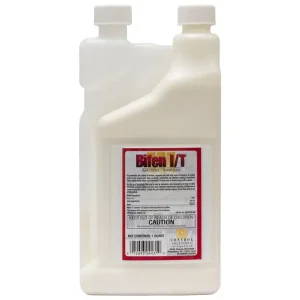
| Bifenthrin | 97% TC, 10% EC, 25% SC, 40% SC | Orchards, Cotton, Vegetables, Tea | Low (Contact/Ingestion) | Low to Moderate |
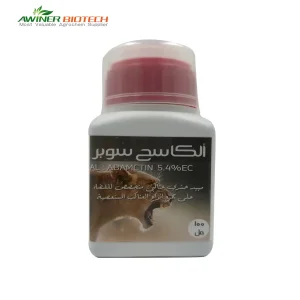
| Abamectin | 95% TC, 1.8% EC, 3.6% EC, 5.4% EC | Horticulture, Greenhouse Vegetables | Moderate (Translaminar) | Low |
In response to global regulatory shifts away from heavy aromatic solvents, Chinese manufacturing hubs, spearheaded by leading producers like Awiner Biotech, have re-engineered active delivery systems. Advanced formulation technology improves physical stability, rainfastness, bio-availability, and spray drift control:
Navigating Market Trends, Regulatory Compliance, and B2B Cost Optimization
The global demand for high-efficiency aphid insecticides is experiencing steady growth, driven by climate-induced pest range expansion, intensive multi-cropping systems, and the urgent need for food security. Global agricultural enterprises and distributor networks sourcing from China face a multi-faceted regulatory and economic environment. Managing these procurement dynamics requires partnering with established manufacturers capable of handling end-to-end chemical synthesis, quality control, and international registration support.
Fluctuations in chemical precursor costs (such as 2-chloro-5-chloromethylpyridine for neonicotinoids) impact final formulation quotes. Awiner Biotech leverages long-term raw material supply contracts to ensure price stability for bulk global buyers.
International tenders require strict compliance with FAO/WHO specifications regarding active ingredient content purity, maximum allowable impurities, emulsion stability, and shelf-life thermal storage tests.
Global buyers increasingly demand sustainable manufacturing processes. Modern Chinese factories implement zero-discharge wastewater management, carbon-neutral thermal recovery, and eco-friendly packaging materials.
Repeated mono-cropping and continuous exposure to single-site active chemistries have accelerated aphid resistance development, particularly to early-generation pyrethroids and organophosphates. A enterprise-grade insecticide strategy relies on structural IRM protocols:
Leading Chinese Agrochemical Manufacturer Committed to Quality, Innovation, and Customer Service
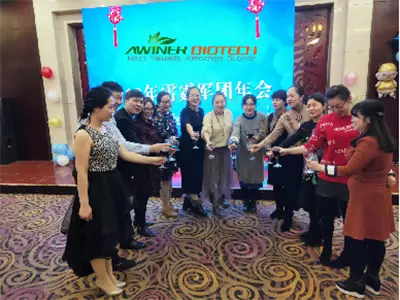
Founded in 2006, Awiner Biotech is located in Shijiazhuang, Hebei Province, North China, in close proximity to Beijing. With convenient transport links and state-of-the-art chemical synthesis infrastructure, Awiner Biotech is dedicated to the research, production, and worldwide distribution of agrochemicals.
Our comprehensive portfolio encompasses high-performance insecticides, herbicides, fungicides, plant growth regulators (PGR), and public health pesticides engineered to meet diverse climatic and crop protection requirements.
Up to now, Awiner Biotech has established long-term strategic partnerships with customers in over 30 countries across the Middle East, CIS, Latin America, Africa, and Asia-Pacific, including:
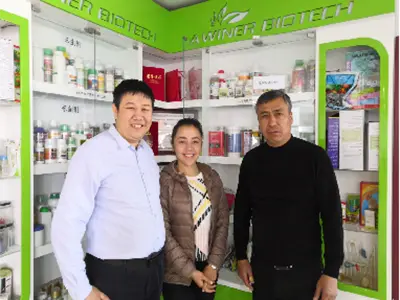
We routinely participate in major international agrochemical exhibitions across Turkey, Iran, Pakistan, Nigeria, Russia, Cambodia, Malaysia, and Uzbekistan. Furthermore, our technical experts conduct on-site country market inspections to inspect crop conditions, analyze regional pest resistance, and deliver tailored technical support to our business partners.
Next-Generation Formulations, Drone Ultra-Low Volume (ULV) Application & Smart Agriculture
As precision agriculture adoption accelerates globally, insecticide formulations are evolving to meet the technical demands of automated aerial spraying and bio-rational pest mitigation:
Development of specialized Ultra-Low Volume liquid formulations engineered with anti-evaporation agents and drift-reduction adjuvants specifically calibrated for agricultural drone application.
Polymer-sheathed microcapsules that release active ingredients gradually in response to humidity and temperature, extending residual control while reducing acute mammalian toxicity.
Integrating botanical extract bases (e.g., natural pyrethrins, azadirachtin) with low-dose synthetic actives to create zero-residue solutions compliant with stringent export MRL (Maximum Residue Limits) standards.
Essential Answers on Quotations, Quality Testing, Shipping, and Regulatory Support
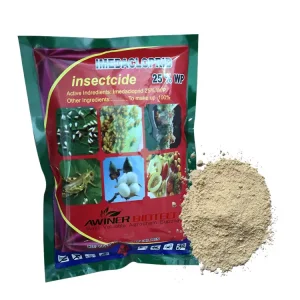
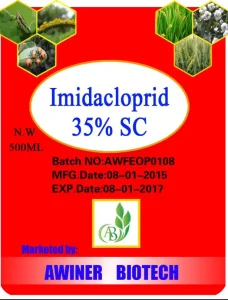
Neonicotinoids such as Imidacloprid (20% SL, 35% SC, 75% WDG) and Thiamethoxam (25% WG) offer superior xylem-systemic activity, providing rapid knock-down and long residual systemic protection against sap-sucking pests.
Quotes can be requested by providing specific active purity (TC), formulation type (SC, EC, WDG, SL), packaging size, target market registration requirements, and estimated volume. Product samples are available upon request for lab assay testing.
We provide full dossier documentation including ICAMA certificates, Certificates of Analysis (COA), Analytical Test Methods, Product Specifications, Material Safety Data Sheets (MSDS/SDS), and GLP toxicological data summaries.
Co-formulated products (e.g., Bifenthrin + Imidacloprid) attack the pest insect's central nervous system through two separate pathways (sodium channels and nAChR receptors), significantly lowering the probability of resistant strain survival.
We offer customized packaging solutions ranging from small retail bottles/sachets (10ml to 1L PET/HDPE bottles, aluminum foil bags) to heavy commercial bulk drums (200L HDPE drums, 1000L IBC tanks, 25kg fiber drums).
Standard manufacturing lead time is 15–25 days post-label artwork approval and LC/TT confirmation. Situated near Tianjin and Qingdao ports, we offer fast, reliable sea freight logistics worldwide.
Every production batch undergoes strict HPLC and GC testing, particle size analysis, emulsion stability tests, and thermal storage stability trials in accordance with international CIPAC standard guidelines.
Yes, we specialize in solvent-free or water-based formulations such as SC (Suspension Concentrates), WDG (Water Dispersible Granules), and EW (Emulsion in Water), reducing phytotoxicity risks and aligning with eco-conscious standards.
Explore Systemic Insecticides, Fungicides, Public Health Pest Control, and Plant Growth Regulators
 Awiner Biotech